
.svg)

.webp)
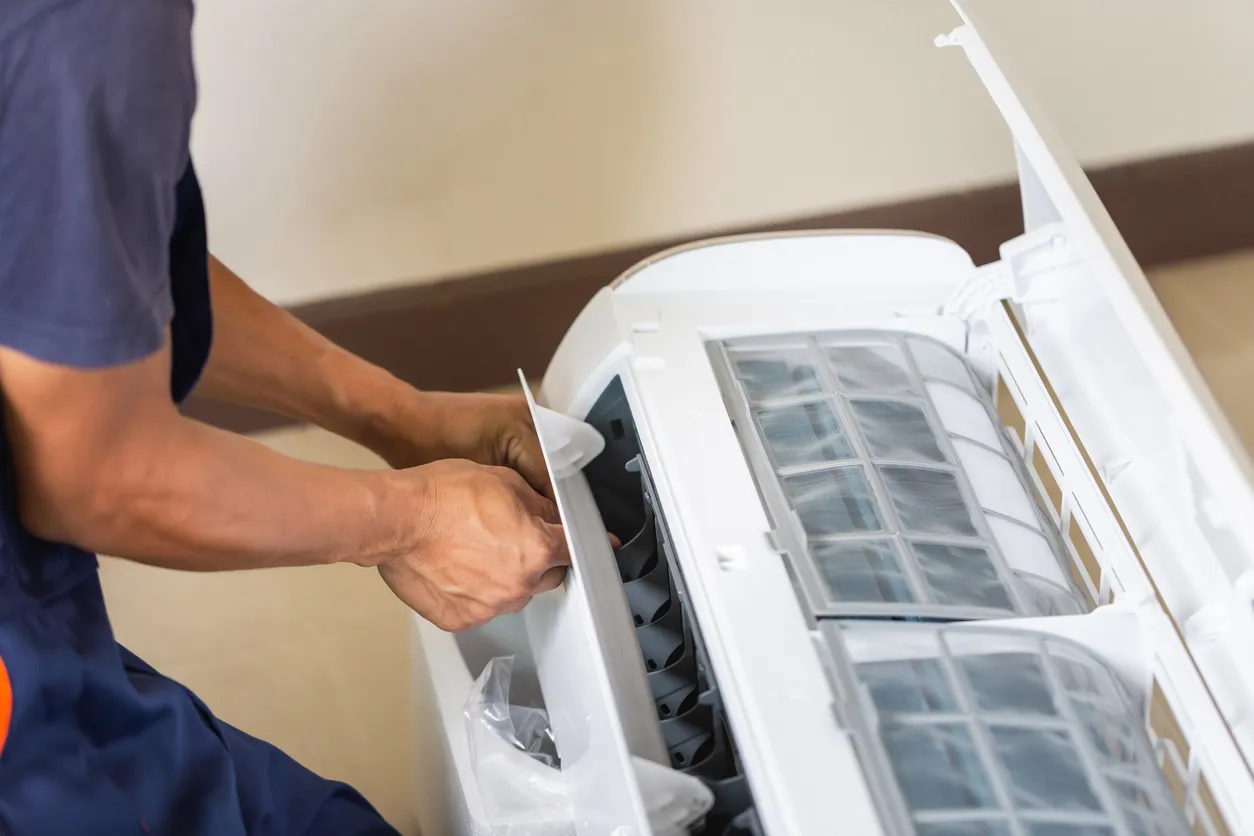
Why Knowing How Often to Schedule Professional Mini Split Service Saves You Money and Headaches
Knowing how often should you schedule professional mini split service is one of the most practical things a homeowner can do to protect a system that costs thousands of dollars to install. Most people don't think about their mini split until something goes wrong — a musty smell on the first warm day of spring, a higher-than-usual electric bill, or airflow that just doesn't feel right anymore. By then, what could have been a simple tune-up has turned into a more involved repair.
The short answer is this:
| Household Type | Recommended Professional Service Frequency |
|---|---|
| Standard single-zone, moderate use | Once per year (spring or fall) |
| Year-round heating and cooling use | Twice per year (spring and fall) |
| Homes with pets or allergy sufferers | Twice per year |
| Systems 10+ years old | Twice per year |
| Multi-zone systems, heavy use | Twice per year |
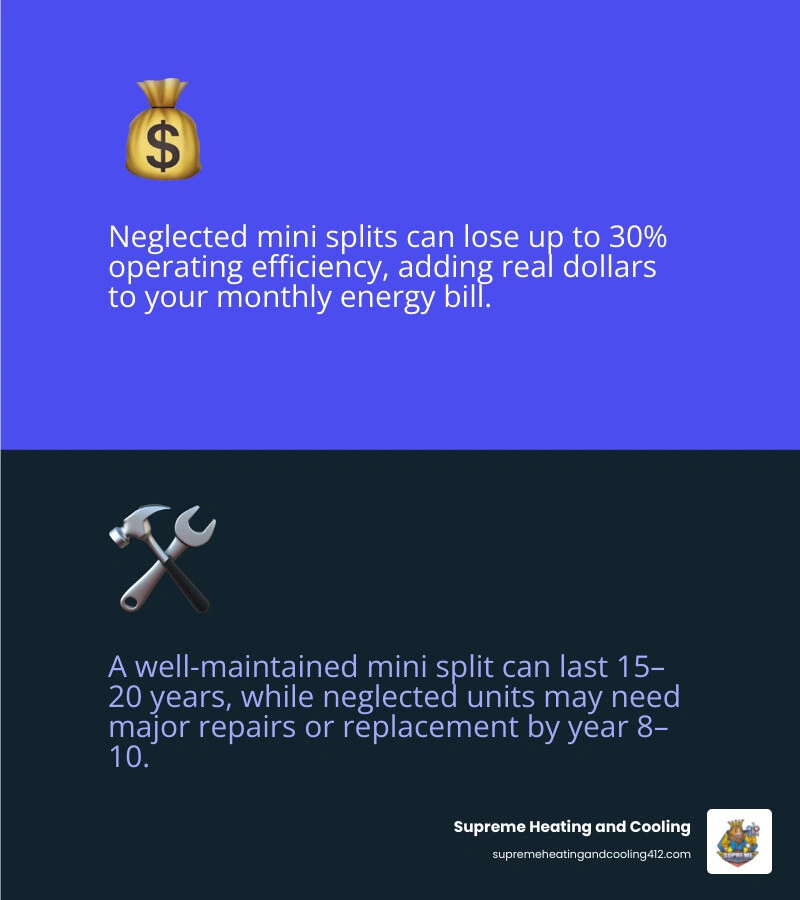
A well-maintained mini split can last 15 to 20 years. Without consistent professional care, that same system may need major repairs or full replacement by year 8 to 10. A neglected unit can also lose up to 30% of its operating efficiency — which adds real dollars to your monthly energy bill without you getting any extra comfort in return.
The good news is that staying on top of professional service is straightforward once you know what to expect and when to schedule it.
How Often Should You Schedule Professional Mini Split Service?
When we talk about maintaining a ductless system, we have to separate routine homeowner tasks from the specialized care that only a certified technician can provide. While you can easily clean your own filters every few weeks, a professional tune-up is a deep, comprehensive service that keeps the entire system running at peak performance.
For the majority of homes, scheduling Professional Mini-Split Maintenance in Pittsburgh once a year is the absolute baseline. However, because these systems are incredibly versatile and often handle both heating and cooling duties, many households benefit significantly from twice-yearly visits.
The ideal timing for these appointments aligns with seasonal transitions. Scheduling a visit in the spring ensures your system is ready to combat humid Pennsylvania summers, while a fall visit prepares the system to deliver reliable, efficient warmth during our freezing winter months.
Standard Guidelines for How Often Should You Schedule Professional Mini Split Service
If you live in a household with average usage patterns — meaning you primarily use your mini split for cooling in the summer and perhaps light supplemental heating in the shoulder seasons — a single annual professional service visit is usually sufficient.
During this annual visit, a technician will perform a complete check of the indoor and outdoor units. For single-zone systems, this annual check-up keeps the system in warranty compliance and catches minor issues, like a slightly clogged drain line or a loose electrical wire, before they escalate into major system failures.
Why High-Use Homes Need More Frequent Care
Many homeowners in our service areas — from the colder hills of Fox Chapel and Plum to the busier residential streets of Bethel Park and Monroeville — rely on their mini splits as their primary source of both heating and cooling. If your system runs year-round to keep your family comfortable, a single annual visit simply isn't enough.
Operating a ductless system across two distinct, demanding seasons means it accumulates twice the wear and tear. The indoor blower wheel and evaporator coils continuously pull in household air, while the outdoor compressor works hard through summer humidity and winter snow. For year-round comfort, we strongly recommend scheduling a professional tune-up twice a year: once in the spring and once in the fall.
This is especially true for multi-zone systems. Because multi-zone setups feature multiple indoor air handlers connected to a single outdoor condenser, they handle a much higher volume of air and require more complex diagnostic checks. To dive deeper into how these dual-season systems operate under heavy loads, check out our Ductless Heat Pump Service Ultimate Guide.
Key Factors That Determine Your Maintenance Schedule
No two homes are exactly alike, and several variables will influence how quickly your mini split accumulates dirt, dust, and mechanical wear. Understanding these key factors helps you customize a maintenance schedule that fits your household's exact needs.
System Age and the 10-Year Milestone
As a mini split system ages, its components naturally experience wear and tear. While a brand-new system is highly resilient, units that have crossed the 10-year milestone require closer attention.
Older mini splits are more susceptible to component fatigue. Over time, fan motor bearings can dry out, electrical connections can loosen due to normal operational vibrations, and sensors can drift out of calibration. If your system is over a decade old, switching to a twice-yearly professional service schedule is a smart way to catch these aging pain points early, preventing sudden breakdowns and extending the system's useful life toward that 20-year gold standard.
Environmental Factors and Air Quality Demands
The environment inside and outside your home plays a massive role in how often your system needs professional attention.
- Pets and Dander: If you have dogs or cats, their hair and fine dander are constantly pulled toward the indoor unit's intake. Even with regular filter cleanings, dander bypasses the mesh filters over time and settles deep within the delicate aluminum fins of the evaporator coil.
- Allergies and Asthma: For households with allergy sufferers, keeping the indoor coils pristine is essential. A dirty coil can become a breeding ground for mold, mildew, and bacteria, which are then distributed directly into your living spaces.
- Dust and Pollen: Homes near busy roads, active construction zones, or areas with high seasonal pollen (such as our leafy neighborhoods in Verona or Glenshaw) will see outdoor condenser coils clog much faster. A clogged outdoor coil restricts airflow, forcing the compressor to work harder and run hotter.
DIY Maintenance vs. Professional Mini Split Service
It is common for homeowners to wonder why they need to pay for a professional visit if they are already diligent about cleaning their own filters. While DIY care is incredibly important, it only scratches the surface of what a mini split needs to survive and thrive.
Think of filter cleaning as brushing your teeth, while professional service is the deep dental cleaning that keeps the underlying structure healthy. There are strict boundaries between what is safe and effective for a homeowner to do and what requires specialized tools, EPA certifications, and technical expertise.
To help visualize these boundaries, we have broken down the responsibilities:
| Maintenance Task | Homeowner (DIY) | Professional Technician | Why This Matters |
|---|---|---|---|
| Filter Cleaning | Yes (Every 2-4 weeks) | Yes (Inspection) | Restores basic airflow and prevents dust buildup. |
| Cabinet Dusting | Yes (As needed) | Yes (Deep clean) | Keeps the physical unit looking good and free of surface dust. |
| Outdoor Clearance | Yes (Remove leaves/snow) | Yes (Coil wash) | Ensures the outdoor unit has 2-3 feet of unobstructed breathing room. |
| Coil Chemical Flush | No | Yes | Requires specialized bib kits and non-rinse, self-heading chemical cleaners. |
| Drain Line Flush | No | Yes | High-pressure flushing clears stubborn biofilm and prevents wall-damaging leaks. |
| Electrical Diagnostics | No | Yes | Involves testing high-voltage connections and checking run capacitors. |
| Refrigerant Check | No | Yes | Requires EPA certification to measure pressures and search for closed-loop leaks. |
For a comprehensive look at what you can do to keep your system running smoothly between our visits, read through our Mini-Split Maintenance Tips for Homeowners.
Monthly Homeowner Tasks to Keep Airflow Clear
As a homeowner, your primary job is to maintain unrestricted airflow. The most critical task is cleaning the indoor unit's reusable mesh filters. During periods of heavy use, you should slide these filters out every 2 to 4 weeks, vacuum away loose dust, rinse them under warm water, let them dry completely, and pop them back in.
Outside, make it a habit to check the condenser unit. Ensure that autumn leaves, weeds, overgrown shrubs, or winter snowdrifts are cleared away, maintaining at least two to three feet of open space around the entire unit.
What Requires a Certified HVAC Technician
While cleaning a filter is simple, deep-cleaning the interior of a mini split is highly complex. The evaporator coil, blower wheel, and drain pan are housed in a tight plastic cabinet mounted high on your wall.
Cleaning these components requires disassembling the plastic casing, wrapping the unit in a specialized waterproof "bib" kit, and using pressurized, self-rinsing chemical coil cleaners to dissolve deep-seated grime and mold without damaging your drywall. Furthermore, checking electrical wiring, testing run capacitors, calibrating sensors, and inspecting refrigerant lines require technical training and specialized diagnostic tools. Attempting to DIY these tasks can easily damage delicate components, strip wires, or void your manufacturer warranty.
What is Included in a Professional Mini Split Tune-Up?
When you schedule professional Ductless Mini-Split Services with us, our technicians perform a highly detailed, multi-point inspection designed to restore your system to its original factory efficiency. We don't just kick the tires; we thoroughly inspect and clean every critical component of your indoor and outdoor units.
Deep Cleaning and Coil Sanitization
We start by focusing on the indoor air handlers. After protecting your walls and floors, we access the evaporator coil and blower wheel. Over months of operation, moisture from the cooling process mixes with household dust to create a sticky film on the coil. This film restricts heat transfer and can harbor musty odors.
We apply EPA-approved, non-rinse antimicrobial treatments that safely dissolve this buildup, flushing it down the condensate drain. We also inspect the condensate pan and flush the drain line with high pressure to clear out any algae or biofilm clogs that could cause water to back up and leak down your walls.
Electrical Diagnostics and Refrigerant Checks
Next, we move to the technical heart of the system. We test all electrical connections, checking for any signs of overheating, corrosion, or loose wiring caused by system vibrations. We measure the capacitance of the run capacitors, which are vital for starting and running the compressor smoothly.
We also perform a critical check of the system's refrigerant charge. Because mini splits use a sealed, closed-loop refrigerant system, they should never naturally "lose" refrigerant. If we find that the pressure is low, it indicates a leak. Our technicians will locate the leak, repair the connection, and restore the proper charge, protecting your compressor from overheating and failing prematurely.
The Risks of Skipping Your Seasonal Mini Split Service
It is easy to put off scheduling maintenance when your system seems to be running fine. However, neglecting professional service is a gamble that often leads to higher utility bills, unexpected breakdowns, and shortened system lifespans.
How Often Should You Schedule Professional Mini Split Service to Protect Your Warranty?
One of the most overlooked aspects of HVAC ownership is warranty compliance. Major mini split manufacturers — such as Mitsubishi, Daikin, and Fujitsu — write clear maintenance requirements into their limited warranty terms.
To keep your parts warranty valid, these manufacturers require proof that the system has been installed and maintained annually by a licensed HVAC professional. If your compressor fails in year seven, but you cannot provide a documented log of professional annual maintenance, the manufacturer may deny your warranty claim, leaving you responsible for a very expensive replacement. Keeping a simple maintenance folder with your service invoices is the best way to protect this valuable coverage.
Efficiency Loss and Compounding Repair Needs
When a mini split is neglected, its efficiency drops slowly but steadily. A clogged filter or a thin layer of dust on the evaporator coil restricts airflow, forcing the system to run longer and work harder to reach your desired indoor temperature. This extra strain directly impacts your power bills, causing them to climb month after month.
Over time, this continuous overwork leads to compounding mechanical issues:
- Compressor Strain: Running with restricted airflow causes the compressor to run hotter, breaking down the internal lubricating oil and leading to mechanical failure.
- Frozen Coils: When airflow is severely restricted, the temperature of the indoor coil can drop below freezing, causing ice to build up and block all heating or cooling.
- Water Leaks: If the condensate drain line is never flushed, dust and algae will eventually form a clog, causing water to overflow the drain pan and spill down your interior walls, resulting in costly drywall and floor repairs.
Frequently Asked Questions About Mini Split Maintenance
We receive many excellent questions from homeowners across the Pittsburgh area regarding their ductless systems. Here are some of the most common inquiries we handle.
How long does a professional mini split service visit take?
For a standard, single-zone mini split system, a thorough professional maintenance visit typically takes between 60 and 90 minutes. This gives our technician ample time to disassemble the indoor cabinet, perform a deep chemical clean of the coils, flush the drain line, inspect the outdoor unit, and run complete electrical and performance diagnostics. If you have a multi-zone system with multiple indoor heads, the visit will take longer, as each individual air handler requires its own dedicated cleaning and inspection.
Can I use a garden hose to clean my outdoor condenser unit?
Yes, you can use a standard garden hose to gently rinse away loose dirt, grass clippings, or autumn leaves from your outdoor condenser coils. However, you must never use a high-pressure washer. The aluminum fins on the outdoor unit are incredibly delicate. The intense pressure from a power washer will easily flatten these fins, permanently restricting airflow through the coil, causing the system to overheat, and voiding your manufacturer warranty. Stick to a gentle spray from a standard hose nozzle, spraying from the inside out if possible.
Why does my mini split smell musty or like vinegar?
A musty, sour, or vinegar-like smell coming from your indoor unit is a classic sign of organic buildup. During the summer, the indoor coil is constantly wet with condensation. If dust, pet dander, or organic particles bypass the filter, they stick to the wet coil and settle in the dark, damp condensate drain pan. Over time, this creates a biofilm layer of mold, mildew, or bacteria. Running a self-cleaning or dry mode can help dry the components, but it cannot physically remove this stuck-on grime. Resolving this odor requires a professional deep clean with specialized antimicrobial sanitizers to thoroughly wash the coil and flush the drain line.
Keep Your Home Comfortable Year-Round
At Supreme Heating and Cooling, we believe that keeping your home comfortable shouldn't be a source of stress. We are proud to serve our neighbors throughout the greater Pittsburgh region — including Glenshaw, Swissvale, Oakmont, Verona, Monroeville, and Swissvale — with trustworthy, non-pushy, and highly professional HVAC services.
Whether your ductless system needs its annual spring tune-up or you want to establish a consistent, twice-yearly care plan for an older unit, our friendly team of certified technicians is here to help. We focus on honest communication, competitive pricing, and delivering the peace of mind that comes with a perfectly maintained heating and cooling system.
Ready to ensure your system is running at peak efficiency before the next season hits? Contact us today to schedule your Professional Mini-Split Maintenance in Verona, PA, and let us help you maximize the comfort, safety, and lifespan of your home's mini split system.


.svg)
.webp)
.svg)
