.svg)

.webp)
In Verona, PA, Unexpected comfort problems can make a normal day at home feel difficult fast. Strange noises, musty odors, or rising energy bills often indicate a developing issue in the system or ductwork. At Supreme Heating and Cooling, we handle hvac issues with a practical approach—testing, clear recommendations, and quality workmanship. Our team is trained to service a wide range of residential equipment, with an emphasis on safety checks and performance verification. Our work is completed with attention to manufacturer guidelines and the details that impact long-term reliability. Our work is completed with attention to manufacturer guidelines and the details that impact long-term reliability. To get a time on the calendar, open a message form, and we’ll reach out to confirm availability.
Common HVAC issues in Verona, PA homes
Verona homes face seasonal stressors that create predictable HVAC needs:
- Furnace problems: delayed ignition, frequent cycling, weak airflow, or safety-related failures such as cracked heat exchangers in older units.
- Air conditioning issues: reduced cooling capacity, frozen evaporator coils, refrigerant leaks, or failing compressors during heat waves.
- Ductwork and airflow: leaks, poor insulation, and imbalanced airflow are common in older houses, reducing comfort and efficiency.
- Indoor air quality concerns: elevated humidity in summer and dust or allergens in transitional seasons.
- Controls and thermostats: outdated or improperly programmed thermostats causing inefficient operation.
Types of services offered
- Furnace installation and replacement (gas, oil, or hybrid systems) sized to home needs.
- AC installation and replacement, including heat pump options suitable for the Pittsburgh climate.
- Seasonal maintenance plans and tune-ups for both heating and cooling systems.
- Diagnostic service and on-site repair for electrical, mechanical, refrigerant, and combustion issues.
- Efficiency upgrades like high-efficiency equipment, smart thermostats, zoning systems, and duct sealing.
- Seasonal preparedness checks to prevent emergency breakdowns.
Diagnostic and repair process explained
A thorough diagnostic focuses on safety and root causes, not just symptoms:
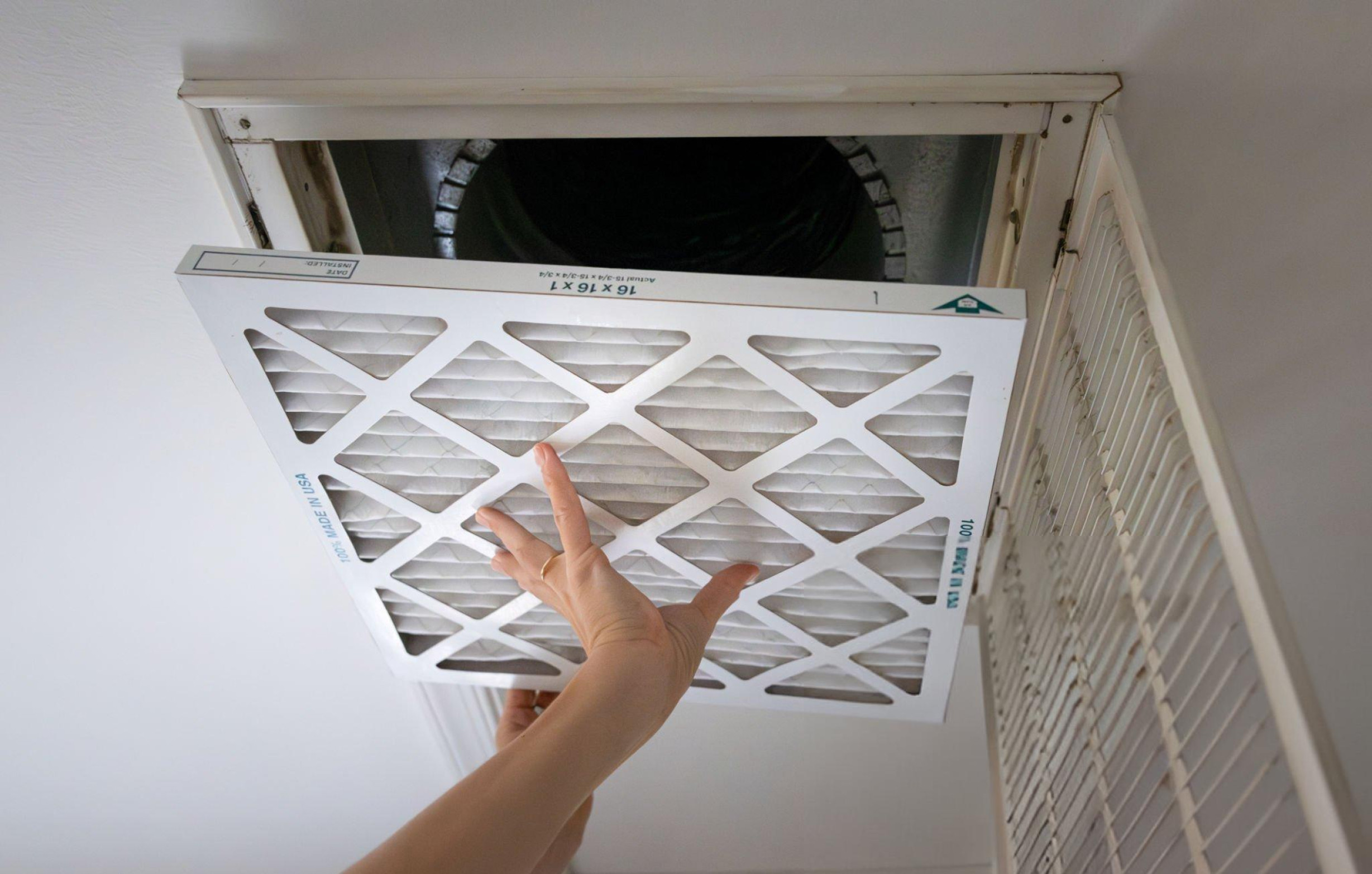
- Visual inspection: start with filters, vents, visible wiring, flue and outdoor unit condition.
- Controls and thermostat check: ensure correct settings, calibration, and communication with the system.
- Airflow and duct assessment: measure supply vs return airflow, look for leaks, blockages, and poor insulation.
- Electrical testing: check capacitors, relays, and motors for proper voltage and current draw.
- Refrigerant and cooling components: check refrigerant charge, inspect coils, condensate drain, and compressor performance.
- Combustion and safety testing for furnaces: verify proper ignition, combustion efficiency, and heat exchanger integrity.
After diagnosis, technicians explain repair options and likely outcomes. Common repair tasks include replacing filters and belts, repairing refrigerant leaks, changing capacitors or contactors, cleaning coils, replacing ignition modules, and repairing or replacing damaged duct sections.
Furnace and AC installation best practices
A proper installation maximizes efficiency and longevity:
- Load calculation (Manual J) to size equipment correctly for the home and local climate.
- Evaluate and repair or upgrade ductwork and insulation before system installation when needed.
- Ensure proper refrigerant charge and airflow balance to prevent premature failures.
- Verify combustion safety and proper venting for gas or oil furnaces.
- Coordinate thermostat compatibility, including smart controls or zoning when chosen.
Right-sizing and correct installation matter more than brand. Oversized systems short-cycle and undersized systems struggle during peak heat or cold, both reducing comfort and increasing wear.
Efficiency upgrades and energy-saving options
Improving efficiency lowers bills and improves comfort:
- High-efficiency furnaces and air conditioners or converting to modern heat pump systems.
- Smart or programmable thermostats to optimize temperatures based on occupancy and schedule.
- Zoning systems to control temperatures by area and reduce wasted heating or cooling.
- Duct sealing and insulation to reduce losses typical in older homes.
- Indoor air quality upgrades: better filtration, whole-home dehumidifiers, and ventilation improvements.
In Verona’s climate, a properly sized heat pump can be an effective year-round solution when paired with supplemental heat in the coldest periods, while improved ductwork and insulation deliver immediate comfort and efficiency gains.
Seasonal preparedness tips for Verona homeowners
- Pre-summer AC check: clean coils, clear debris around the outdoor unit, check refrigerant level, and verify condensate drain is clear.
- Pre-winter furnace check: inspect burners and heat exchanger, test ignition and safety controls, and replace filters.
- Change or check filters regularly: monthly for higher MERV filters or as manufacturer guidance indicates.
- Protect outdoor components: keep leaves and salt spray away from outdoor units; consider a stand or corrosion-resistant base in areas with road salt exposure.
- Monitor humidity: use dehumidifiers in basements or consider whole-home options during muggy summers.
- Keep outdoor vents, returns, and registers unobstructed and clean.
Warranty and service agreement information
Understand typical warranty and service agreement elements:
- Manufacturer warranties commonly cover parts for a set period; labor is often separate unless included by the installer.
- Service agreements and maintenance plans generally offer scheduled tune-ups, priority scheduling for repairs, diagnostic-fee waivers for members, and discounts on labor or parts.
- Extended warranties or protection plans can add labor coverage and parts beyond basic manufacturer warranty terms.
- Keep purchase records, registration, and maintenance logs to preserve warranty eligibility and make claims straightforward.
- Read terms for exclusions such as lack of maintenance, improper installation, or non-approved parts that could void coverage.
Simple ways homeowners request service or get a quote
Common ways homeowners arrange HVAC work or estimate costs include:
- Phone-based scheduling with a local HVAC service to describe symptoms and arrange an inspection.
- Online request forms provided by providers to submit system details and service needs.
- Email inquiries with photos of equipment and symptoms for a preliminary assessment.
- On-site estimates where a technician performs a load calculation and inspects ductwork and system condition before providing options and price ranges.
Frequently, an in-home evaluation delivers the most accurate quote because it accounts for duct condition, insulation levels, and any unique installation constraints.


.svg)
.webp)
.svg)
