.svg)

.webp)
In Edgewood, PA, Inconsistent indoor comfort is usually a sign that your equipment needs professional attention. Strange noises, musty odors, or rising energy bills often indicate a developing issue in the system or ductwork. At Supreme Heating and Cooling, we handle HVAC issues with a practical approach—testing, clear recommendations, and quality workmanship. Our technicians rely on careful measurements and step-by-step testing to confirm the cause before recommending work. You’ll receive clear notes on what we found and what to prioritize, based on measured system performance. We can also point out maintenance items you can handle between visits to reduce strain on the equipment. To keep things moving, open a service request, and we’ll reach out to confirm availability.
Common HVAC issues in Edgewood homes
Edgewood properties include a mix of older brick homes and newer construction, which can create specific HVAC challenges. Common issues include:
- Furnace failure in winter: Age, lack of maintenance, or cracked heat exchangers cause unreliable heating and safety concerns.
- Weak air conditioning in summer: Low refrigerant, worn compressors, or undersized systems struggle during humid Pittsburgh-area heat.
- Uneven heating or cooling: Poorly sized equipment, duct leaks, or inadequate zoning lead to hot and cold rooms.
- High utility bills: Dirty filters, poor insulation, duct leakage, and aging equipment reduce efficiency.
- Poor indoor air quality: Dust, mold growth in ducts, and inadequate ventilation worsen allergies and asthma.
- Thermostat and control failures: Faulty sensors, outdated thermostats, or wiring issues cause incorrect cycling or comfort problems.
Local HVAC services available
Homeowners in Edgewood can access the full range of residential HVAC services designed for local weather and housing stock:
- Installation and replacement of furnaces, boilers, central air conditioners, heat pumps, and ductless mini split systems
- Repair and emergency response for heating and cooling failures
- Seasonal tune-ups (fall heating and spring cooling inspections)
- Energy-efficiency assessments and load calculations for proper system sizing
- Ductwork inspection, sealing, and repair
- Indoor air quality solutions: filtration upgrades, humidifiers/dehumidifiers, and UV air purifiers
- Thermostat upgrades and smart thermostat configuration
- Routine preventive maintenance plans and safety inspections
Diagnostic process: what to expect
A thorough diagnosis identifies root causes rather than just symptoms. Typical steps include:
- Customer symptom intake and system history review (age, past repairs, performance issues)
- Visual inspection of equipment, venting, and ductwork
- System performance checks: airflow measurements, refrigerant pressure, combustion analysis for gas appliances, and electrical diagnostics
- Safety checks: carbon monoxide testing, venting integrity, and heat exchanger inspection
- Load calculation (Manual J) for installations or replacements to ensure correct sizing
- Clear written findings and an estimate that outlines recommended repairs or replacement options
Installation and replacement guidance
Proper installation in Edgewood homes considers local climate, home insulation, and duct layout:
- Right-sizing: Accurate Manual J calculations prevent short cycling or inadequate capacity in humid summers and cold winters.
- Equipment options: High-efficiency gas furnaces (AFUE ratings), condensing boilers where applicable, air-source and cold-climate heat pumps, central AC units, and ductless mini-splits for room-by-room control.
- Ductwork: Sealing and balancing ducts improves performance. In older homes, retrofits may include adding return paths or zoning dampers.
- Refrigerant and code compliance: Installations follow current refrigerant standards and local building codes, including proper condensate and combustion venting.
Repair and emergency response
Emergency HVAC repairs are common during extreme temperatures. Typical elements of emergency response include:
- Rapid diagnostics to restore heat or cooling as a priority for safety and comfort
- Temporary fixes to keep systems running until permanent parts arrive
- Replacement of common fail points: capacitors, contactors, fan motors, ignition components, and control boards
- Advice on when repair is no longer cost-effective and replacement is recommended based on age and repair history
Seasonal tune-ups and preventive maintenance
Routine maintenance extends equipment life and preserves warranties. Standard tune-ups usually include:
- Cleaning and inspection of coils, burners, and heat exchangers
- Lubrication of moving parts and tightening electrical connections
- Checking refrigerant levels and airflow
- Replacing or recommending filters and testing thermostat accuracy
- Recommended frequency: at least once per year for each system type, with gas furnaces inspected before winter and cooling systems checked before summer
Energy-efficiency assessments and upgrades
Edgewood homeowners often see immediate benefits from efficiency improvements because of seasonal extremes. Typical assessments and upgrades include:
- Whole-home energy audits to identify insulation gaps, air leaks, and duct losses
- Recommendations for higher-efficiency equipment (higher SEER for AC, higher AFUE for furnaces)
- Zoning and programmable thermostats to reduce wasted conditioning
- Duct sealing and insulation, which often produce measurable energy savings in older homes
Supported equipment brands and warranty details
Common residential HVAC brands supported in the region include Trane, Carrier, Lennox, Goodman, Rheem, Ruud, Bosch, Mitsubishi Electric, and Daikin. Warranty considerations to keep in mind:
- Factory warranties vary by brand and model; typical coverage includes parts and sometimes compressors or heat exchangers for limited terms.
- Labor warranties are offered by service providers for repairs and installations; terms vary and may be limited by workmanship or parts duration.
- Regular maintenance is often required to keep warranties valid. Keep service records and receipts to document upkeep.
How service or a free estimate is typically requested
Service providers serving Edgewood offer several standard ways to schedule service or request a free estimate:
- Online request forms or scheduling portals that collect system details and preferred appointment windows
- Phone scheduling for same-day or emergency needs
- In-home or virtual estimates where a technician reviews the system and provides a written quote
- What to prepare: system model numbers, age, description of issues, any recent warning lights or error codes, and access to mechanical rooms or outdoor units
Benefits of timely HVAC care and quick maintenance tips
Timely HVAC service improves comfort, reduces breakdown risk, and lowers energy bills. Practical tips for Edgewood homes:
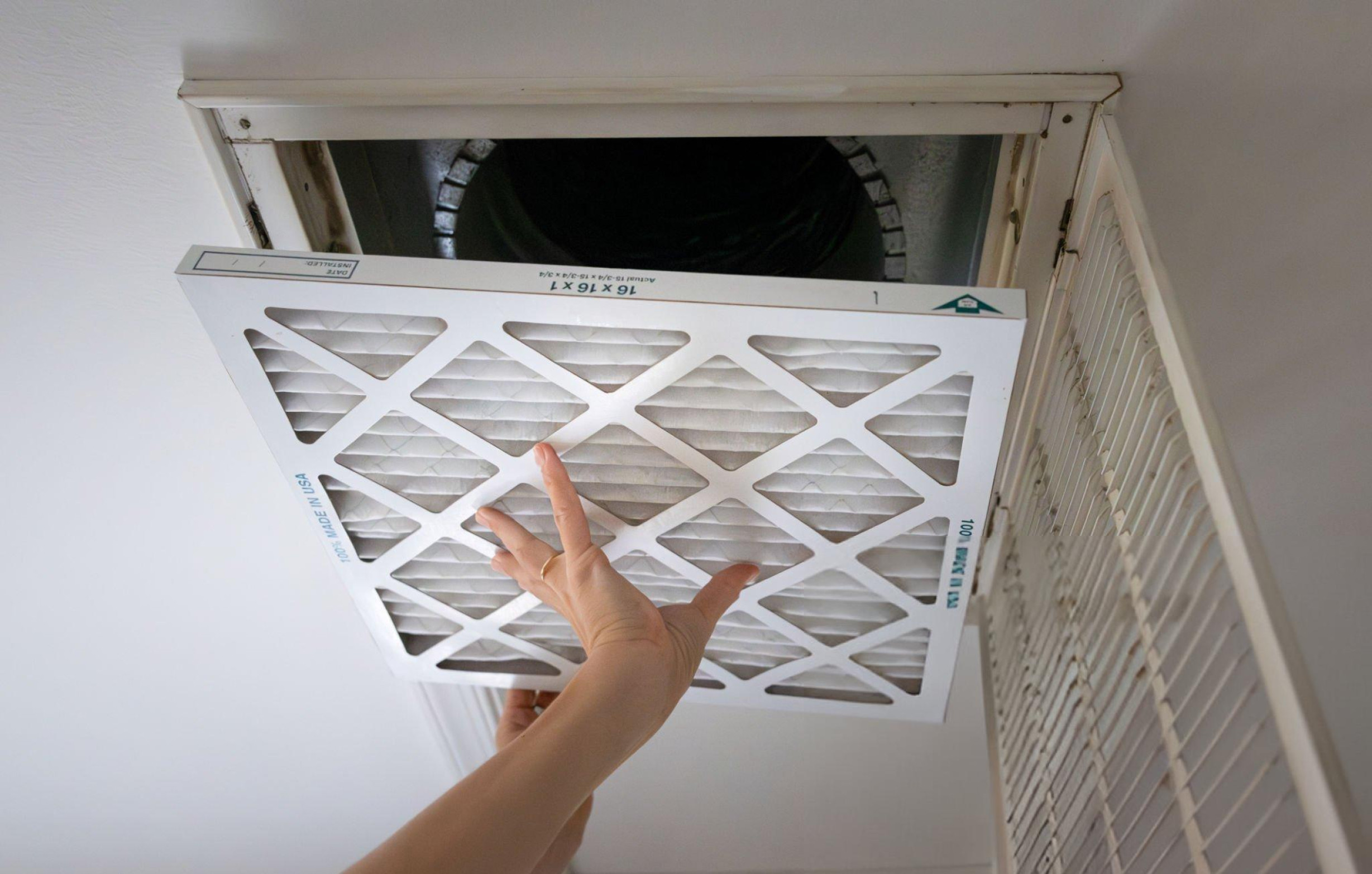
- Replace or check air filters monthly during heavy use seasons
- Keep outdoor units clear of snow, leaves, and debris
- Maintain clear floor and wall registers for proper airflow
- Install and test carbon monoxide detectors if you use gas or oil heating
- Schedule professional tune-ups before peak heating and cooling seasons.


.svg)
.webp)
.svg)
