.svg)

.webp)
In Forest Hills, PA, When comfort issues show up at home, delays can turn a small problem into a bigger repair. If airflow feels weak, temperatures swing from room to room, or your system is running longer than usual, it’s time for a closer look. At Supreme Heating and Cooling, we provide hvac service that includes diagnostics, repairs, maintenance, and system planning to keep your equipment dependable year-round. Our team is trained to service a wide range of residential equipment, with an emphasis on safety checks and performance verification. You’ll receive clear notes on what we found and what to prioritize, based on measured system performance. If you need service soon, start an appointment request today, and we’ll help you choose a good time.
Common HVAC issues and service types in Forest Hills, PA
Forest Hills homes commonly face these HVAC problems and service needs:
- Poor heating performance in winter: clogged burners, failing ignition, or undersized furnaces can cause uneven rooms and higher energy use.
- Inadequate cooling or short cycling in summer: low refrigerant, dirty coils, or compressor problems reduce cooling capacity.
- High energy bills: inefficient equipment, improper thermostat settings, or leaky ductwork increase costs.
- Strange noises or odors: loose components, failing motors, or mold in ductwork create sounds and smells that need fast attention.
- Indoor humidity and air quality concerns: basements and older homes often experience mold, dust buildup, or high humidity that affect comfort and health.
- Intermittent operation and electrical issues: tripped breakers, relays, or failing control boards can make systems unreliable.
Service types offered for these issues include diagnostic and repair visits, single-system or whole-home installations, duct sealing and balancing, seasonal tuneups, and indoor air quality upgrades.
Diagnostic and repair process
A standard diagnostic and repair process in Forest Hills typically follows these steps:
- Visual inspection and customer interview to document symptoms, history, and any recent changes.
- Performance testing: measuring temperatures, static pressure, airflow, refrigerant charge, and electrical draw to identify root causes.
- Component-level checks for furnaces, heat pumps, and air handlers, including belts, motors, ignition systems, and heat exchangers.
- Clear explanation of findings and prioritized repair options. Repairs commonly include refrigerant recharge, capacitor or motor replacement, ignition repair, sensor replacement, duct sealing, and condensate drain cleaning.
- Post-repair testing to confirm safe operation, proper airflow, and energy-efficient settings.
Technicians should always follow safety checks for carbon monoxide, combustion efficiency, and electrical integrity before leaving a property.
Heating and cooling installations and system replacement guidance
When a repair is no longer cost effective or when you need better comfort and lower operating costs, system replacement becomes the right choice. Key considerations for Forest Hills installations:
- Right-sizing matters: oversized equipment can short cycle, while undersized units will struggle during temperature extremes common here. Load calculations (Manual J) should guide selection.
- Fuel and system type: high-efficiency gas furnaces still provide reliable winter heat, while modern heat pumps are viable even in colder climates when paired with supplemental heat or cold-climate models.
- Ductwork and distribution: many performance problems trace to ducts. Inspecting and sealing ducts, adding insulation, or upgrading to zoned systems improves comfort.
- Efficiency and long-term operating cost: look beyond the rated efficiency to expected seasonal performance, warranty coverage, and projected energy savings.
- Installation quality: proper refrigerant charge, airflow setup, and controls installation are essential for achieving rated performance.
For older homes in Forest Hills with limited attic or crawlspace access, ductless mini-split systems are a flexible option for room-by-room comfort without extensive ductwork.
Scheduled maintenance programs
Regular maintenance reduces breakdowns and extends equipment life. A typical maintenance program includes:
- Biannual tuneups: fall heating inspection and spring cooling inspection.
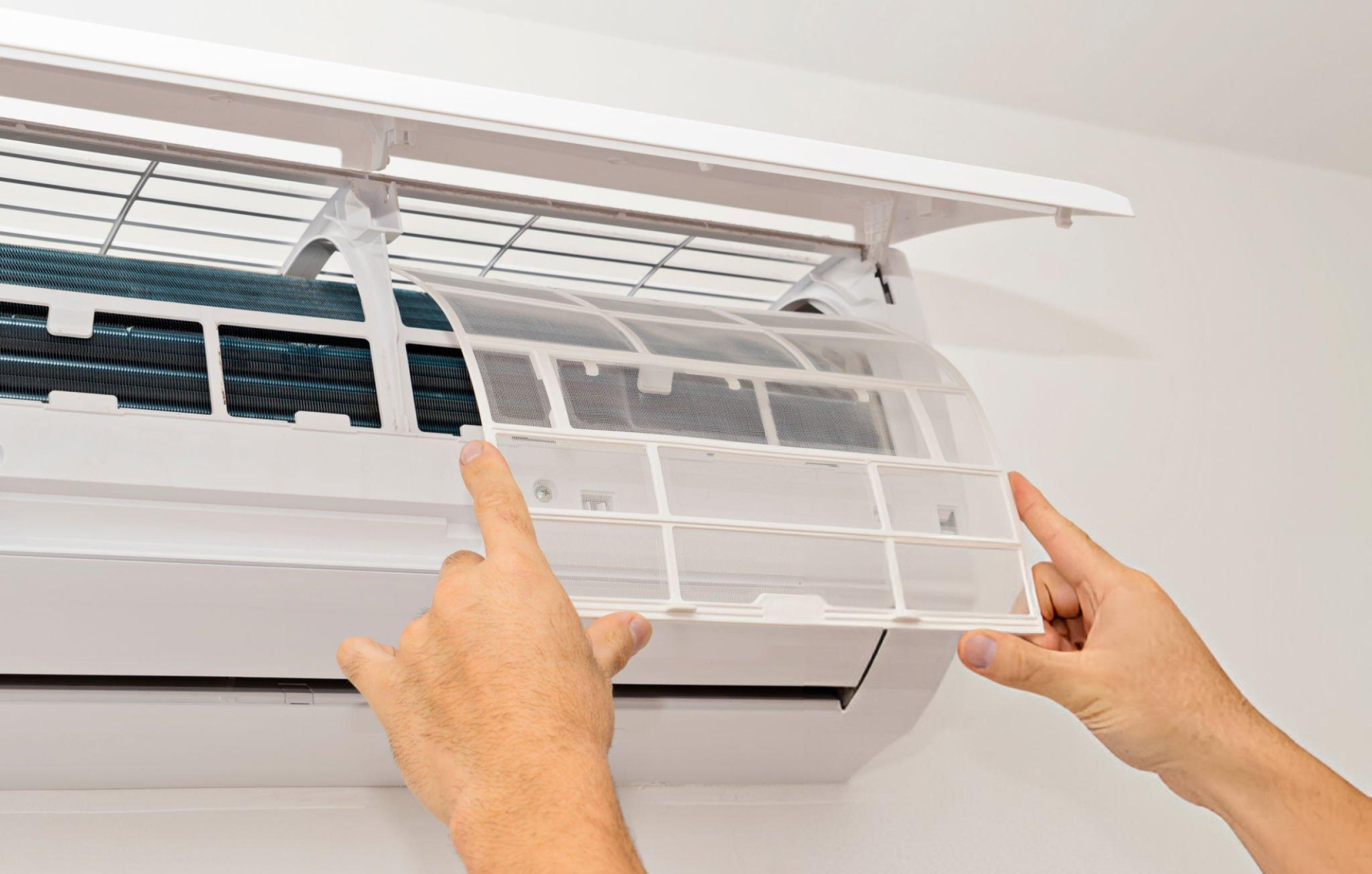
- Filter changes and system cleaning to maintain airflow and indoor air quality.
- Safety checks for combustion systems and carbon monoxide testing.
- Refrigerant and electrical checks for cooling systems.
- Priority scheduling and seasonal reminders to keep service on track.
Homes with heavy seasonal use or older equipment benefit most from annual or semiannual maintenance plans tailored to local climate swings.
Indoor air quality options
Forest Hills homeowners often need solutions for pollen, mold spores, and winter indoor dryness. Common indoor air quality (IAQ) upgrades:
- High-efficiency filters (MERV-rated filters suitable for your system) to reduce particles.
- UV germicidal lights to address biological growth on coils and in drain pans.
- Whole-home humidifiers for dry winter air and dehumidifiers for humid summer basements.
- Mechanical ventilation or energy recovery ventilators to bring fresh air without large energy loss.
- Air purifiers with HEPA or photocatalytic technology for allergy and asthma concerns.
Selecting IAQ equipment should consider existing HVAC capacity to avoid excessive pressure drop or reduced airflow.
Pricing and financing
Several factors influence HVAC project cost in Forest Hills: system type and efficiency, home size and ductwork condition, required repairs before installation, and permit or code compliance. While exact prices vary, homeowners commonly see wide ranges depending on those variables, and financing options are frequently available through many providers to spread payments over time. Typical financing choices may include fixed-term loans, deferred interest plans, and payment plans tailored to system lifespan and homeowner budget. Always review terms, APR, and total repayment before proceeding.
How to arrange service or request a quote
The usual process to arrange service or obtain a quote involves:
- Scheduling a diagnostic visit or consultation to assess the system in person.
- Receiving a written estimate outlining scope, equipment specifications, warranties, and timelines.
- Reviewing equipment options and any recommended duct or ventilation work.
- Confirming appointment windows for repair or installation and receiving pre-service instructions.
A transparent quote should separate labor and parts, list manufacturer warranties, and include any required permits or inspections.
Benefits and maintenance tips for Forest Hills homes
Investing in the right HVAC solution improves comfort, lowers energy costs, and reduces unexpected repair bills. Practical tips:
- Change filters regularly and keep outdoor units clear of leaves and snow.
- Use programmable or smart thermostats to reduce wasted runtime.
- Schedule seasonal tuneups before peak winter and summer seasons.
- Address humidity issues promptly to prevent mold and structural damage.


.svg)
.webp)
.svg)
