.svg)

.webp)
In Swissvale, PA, Unexpected comfort problems can make a normal day at home feel difficult fast. Short cycling, uneven comfort, or frequent thermostat adjustments can signal maintenance needs or components wearing out. At Supreme Heating and Cooling, we handle HVAC issues with a practical approach—testing, clear recommendations, and quality workmanship. We focus on clean installation standards, detailed diagnostics, and clear communication so you know what your system needs. You’ll receive clear notes on what we found and what to prioritize, based on measured system performance. You’ll receive clear notes on what we found and what to prioritize, based on measured system performance. To book service with our team, complete a support request, so we can review details and schedule promptly.
Common HVAC issues in Swissvale homes
- Heating failures in winter — aging furnaces, neglected boilers, or failing ignitors and motors are common after long cold seasons.
- Air conditioning breakdowns in summer — refrigerant leaks, compressor problems, and worn capacitors often cause uneven cooling or complete system failure.
- Heat pump performance drop in freeze-thaw conditions — cold weather and icing can reduce efficiency or trigger defrost cycles.
- Poor indoor air quality — high humidity, mold in ductwork, and seasonal pollen lead to allergies and musty odors.
- Ductwork leaks and imbalance — older homes in the area frequently have leaky or poorly insulated duct runs that create hot/cold spots.
- Thermostat and control issues — malfunctioning or improperly located thermostats cause frequent short cycling or incorrect setpoint readings.
Comprehensive HVAC services offered
Below are the core categories of service typically available for Swissvale residences, with what each service includes and why it matters.
Heating and cooling repairs
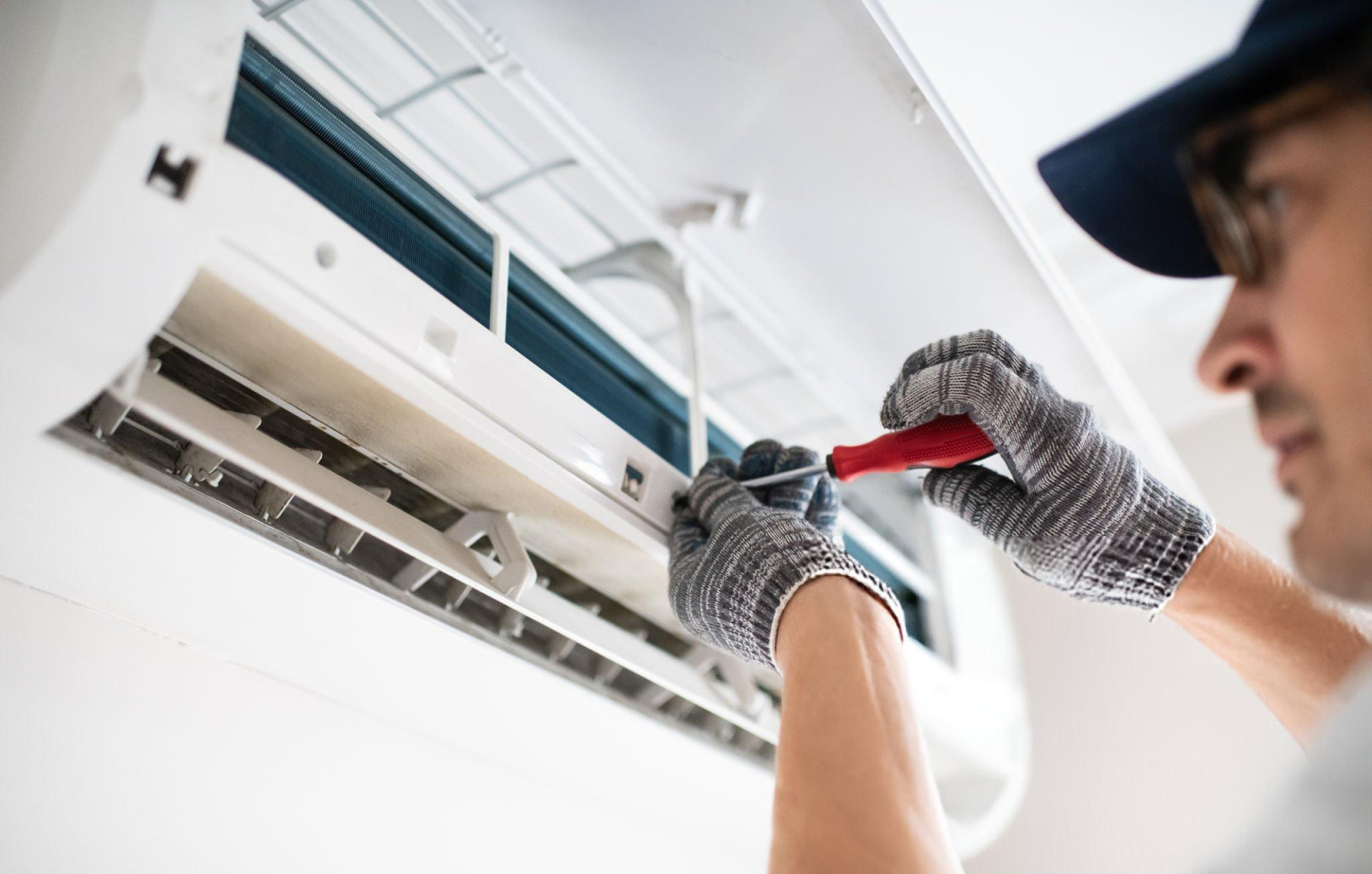
- Thorough on-site diagnostics using system pressure checks, electrical testing, combustion analysis (for gas appliances), and airflow measurement.
- Component-level repairs such as blower motors, capacitors, contactors, ignition systems, heat exchangers, compressors, and refrigerant leak repair.
- Safety checks after any repair to ensure combustion safety, proper venting, and stable operation.
Seasonal maintenance
- Pre-winter and pre-summer tune-ups that include filter replacement, burner inspection, heat exchanger and flue checks, refrigerant level verification, condensate drain cleaning, and thermostat calibration.
- Preventive maintenance reduces emergency breakdowns, restores efficiency lost over the season, and helps maintain manufacturer warranty requirements.
System replacement and sizing guidance
- Accurate load calculation (Manual J or equivalent) that accounts for Swissvale-specific factors: typical lot exposure, older window types, insulation levels of local homes, and multi-story layouts.
- Recommendations between options: high-efficiency furnaces, modulating boilers, air-source or cold-climate heat pumps, ductless mini-splits, and air conditioning systems.
- Sizing guidance to avoid oversized equipment (short cycling, humidity issues) or undersized systems (inadequate comfort during extreme weather).
Air quality solutions
- High-efficiency filtration (MERV-rated options), whole-house dehumidifiers for humid summers, humidifiers for dry winter comfort, UV germicidal lights, and balanced ventilation systems (ERV/HRV).
- Duct sealing or targeted duct cleaning where dust, mold, or rodent contamination is detected.
How diagnostics and repair work
- Visual inspection and system history review to identify recurring problems.
- Electrical and mechanical testing to pinpoint failing parts.
- If a repair is required, technicians typically document findings, list recommended fixes, and provide a written scope of work.
- After repair, systems are retested under operational conditions and performance data is recorded for your files.
Pricing transparency and estimates
- Estimates are presented in clear, itemized formats that separate diagnostic fees, parts, labor, and any subcontracted work.
- Common pricing practices include flat-rate pricing for standard repairs and time-and-materials for complex jobs. Any diagnostic fee application or warranty-related credit is documented.
- Written estimates outline expected timelines, alternative options (repair vs replacement), and any assumptions used in recommendations so you can compare options objectively.
Warranty information
- Two types of warranty coverage are typically explained: manufacturer warranties for parts and unit components, and workmanship warranties covering repairs and installations.
- Standard manufacturer warranty terms vary by equipment; service-related workmanship warranties commonly cover labor for a defined period after completion.
- Proper warranty management includes registering new equipment, keeping service records, and following maintenance schedules required to maintain coverage.
Typical service and on-site assessment process
- Intake and system history review to understand symptoms and past work.
- On-site inspection with diagnostic testing (combustion analysis, refrigerant checks, airflow).
- Written assessment detailing findings, prioritized repair recommendations, and replacement options if needed.
- Presentation of an itemized estimate and timeline for approved work.
- Post-service verification and documentation including checklists and warranty paperwork.
Why timely HVAC care matters in Swissvale
Prompt attention to HVAC issues prevents frozen pipes and equipment failure in winter, avoids excessive energy use during humid summers, and reduces indoor air quality problems that exacerbate allergies common in the region. Regular maintenance and proper system sizing extend equipment life and preserve home comfort through seasonal extremes.
Practical homeowner tips
- Replace standard filters every 1 to 3 months; higher-efficiency filters may require more frequent inspection.
- Keep outside condensing units free of leaves, snow, and debris; maintain clearance for airflow.
- Program thermostats seasonally and avoid large temperature swings that force short cycling.
- Seal visible duct joints in basements and crawlspaces and insulate ducts that run through unconditioned areas.
- Track service records and keep receipts for warranty support.


.svg)
.webp)
.svg)
