.svg)

.webp)
In Monroeville, PA, Inconsistent indoor comfort is usually a sign that your equipment needs professional attention. If airflow feels weak, temperatures swing from room to room, or your system is running longer than usual, it’s time for a closer look. At Supreme Heating and Cooling, we handle hvac issues with a practical approach—testing, clear recommendations, and quality workmanship. You can expect straightforward recommendations backed by testing and a commitment to safe, code-aware service. We check airflow, electrical connections, and control signals so small issues don’t get missed. Supreme Heating and Cooling is set up to handle the details, from diagnostics to final testing. If you’re ready to book, complete an online request so we can coordinate the right next step.
Why timely HVAC service matters in Monroeville, PA
Monroeville homeowners often see heating loads spike in winter and high humidity stress cooling systems in summer. Systems that are older, poorly maintained, or incorrectly sized can cause uneven comfort, rising utility bills, and premature equipment failure. Addressing problems early preserves indoor comfort, reduces energy waste, and extends equipment life.
Common HVAC issues in Monroeville homes
- Uneven heating or cooling between rooms, often due to duct leaks or poor zoning
- Short cycling furnaces or air conditioners caused by dirty components, refrigerant issues, or improper sizing
- Weak airflow from clogged filters, blocked vents, or failing blower motors
- Increasing energy bills without obvious cause, frequently from declining equipment efficiency
- Humidity control problems in humid summer months, leading to discomfort and mold risk
- Ignition, pilot, or blower failures in older heating systems during freezing weather
System installation and replacements
- Load calculation and system selection: Proper installation begins with a Manual J load calculation to size equipment for Monroeville homes. Correct sizing prevents short cycling and ensures efficient, consistent comfort.
- Options: High-efficiency furnaces, central air conditioners, ductless mini-splits, and heat pumps (including cold-climate models) are common choices. Each option is evaluated for efficiency, fuel type, ductwork compatibility, and long-term operating cost.
- Installation process: Installations include removal of old equipment, ductwork inspection and necessary repairs, correct refrigerant charging, and system commissioning to verify airflow, temperature split, and control settings.
- Replacement considerations: Age, repair frequency, efficiency loss, and parts availability determine whether replacement is more cost-effective than repair. Replacing aging equipment often yields immediate comfort and energy savings.
Diagnostic and repair services
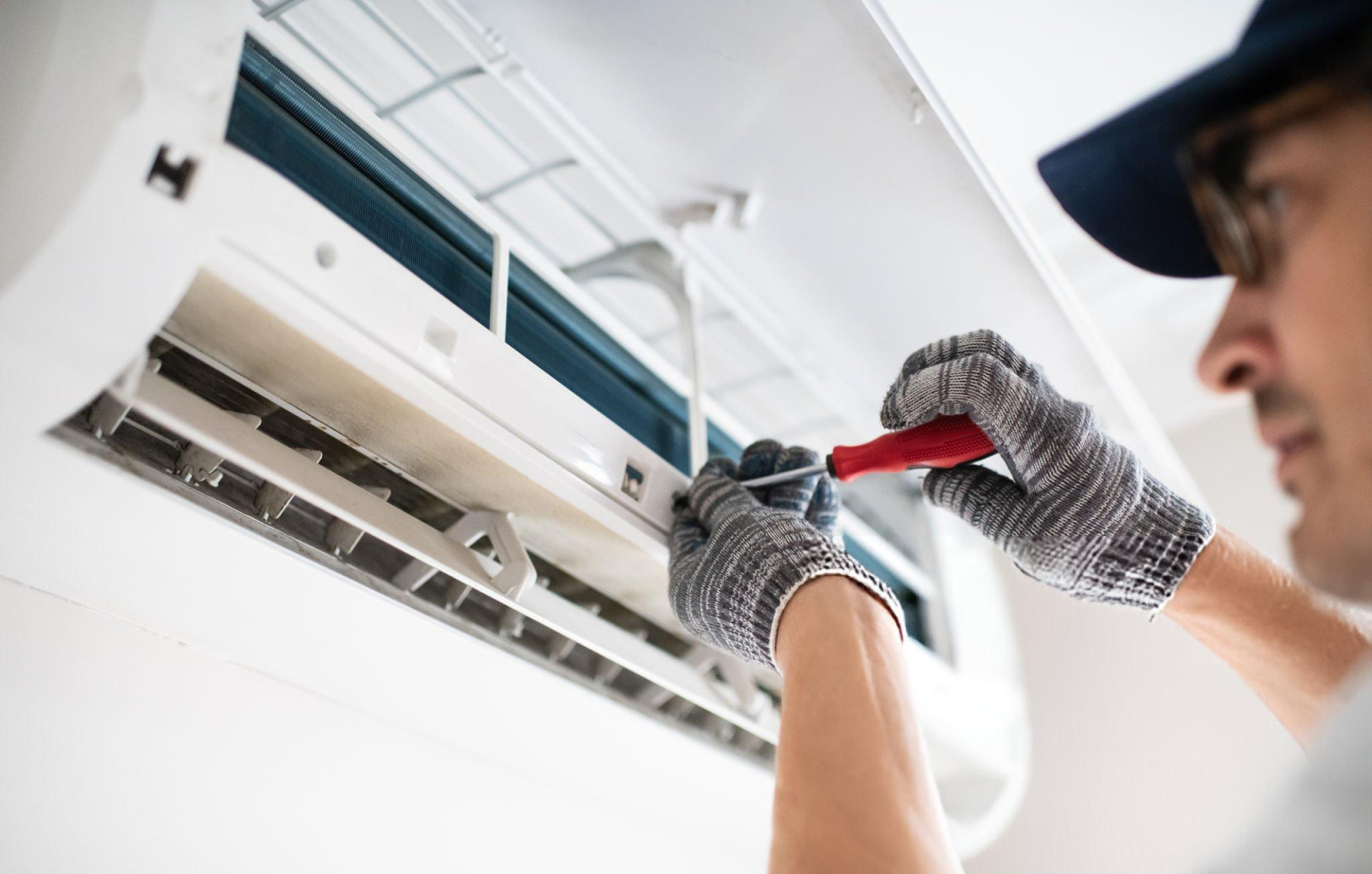
- Thorough diagnostics: Technicians start with symptom verification, visual inspection, and system measurements — thermostat operation, refrigerant pressures, electrical checks, combustion analysis for gas appliances, and airflow measurements.
- Common repairs: Refrigerant leaks, capacitor and motor replacements, ignition control or pilot assembly repairs, sensor replacements, and duct sealing. Repairs address root causes to prevent repeat failures.
- Transparent findings: A clear explanation of the problem, repair options, estimated timeline, and parts required helps you decide between repair and replacement based on condition and expected remaining life.
Preventative maintenance plans
- Why maintenance matters: Routine maintenance keeps equipment operating near design efficiency, reduces emergency breakdowns, and can preserve manufacturer warranties.
- Typical maintenance tasks:
- Filter inspection and replacement
- Cleaning coils and burners
- Checking refrigerant levels and system pressures
- Inspecting electrical connections and controls
- Testing thermostat accuracy and calibration
- Measuring airflow and system performance
- Benefits: Lower utility bills, fewer unexpected repairs, improved indoor air quality, and steadier comfort throughout Monroeville seasonal swings.
Emergency response options
- After-hours and urgent troubleshooting: Emergency response services often include after-hours dispatching, on-site diagnosis, and temporary measures to restore heat or cooling until a permanent repair is scheduled.
- What to expect when an emergency crew arrives: Fast safety checks, temporary fixes to ensure comfort and safety, clear description of the immediate steps taken, and a follow-up plan for full repair or replacement.
- Safety first: For gas or combustion-related concerns, priority is given to safety checks and securing the appliance before any extended work.
Energy-saving upgrades suited to Monroeville homes
- High-efficiency equipment: Modern furnaces, air conditioners, and heat pumps reduce fuel and electrical consumption, particularly valuable given Monroeville seasonal extremes.
- Smart thermostats and zoning: Programmable controls and zone systems reduce waste by heating or cooling only occupied areas and adapting schedules to daily routines.
- Duct sealing and insulation: Reducing duct losses and improving home envelope insulation lowers demand on HVAC systems and improves comfort consistency.
- Humidity control: Whole-home dehumidifiers and better ventilation protect comfort and indoor air quality during humid summer months.
How scheduling service and requesting a quote works
- Prepare information: Gather system details such as equipment type, brand, model, age, recent repair history, and typical comfort issues. Utility bills for the last 12 months help evaluate operating costs.
- Initial consultation: Most processes begin with an assessment to understand symptoms and priorities. This can include a remote discussion followed by an on-site inspection for accurate diagnosis.
- On-site evaluation: A technician inspects equipment, measures performance, and identifies necessary repairs or replacement options. For installations, a load calculation and duct assessment are performed.
- Detailed estimate: A thorough quote outlines recommended work, parts and materials, labor, performance expectations, and projected efficiency improvements. Estimates may include multiple options (repair only, repair plus enhancements, or full replacement) with comparisons of expected outcomes.
- Timeline and next steps: The estimate clarifies lead times for parts or equipment, duration of work, and any preparatory steps homeowners should take before service.
Maintenance tips for Monroeville homeowners
- Replace filters regularly, especially during high-use seasons.
- Keep outdoor condensers clear of debris, leaves, and vegetation.
- Monitor for unusual noises, odors, or frequent cycling and address them quickly.
- Track energy usage month to month to spot unusual increases.


.svg)
.webp)
.svg)
