.svg)

.webp)
In Oakmont, PA, when comfort issues show up at home, delays can turn a small problem into a bigger repair. If airflow feels weak, temperatures swing from room to room, or your system is running longer than usual, it’s time for a closer look. At Supreme Heating and Cooling, we handle hvac issues with a practical approach—testing, clear recommendations, and quality workmanship. Our team is trained to service a wide range of residential equipment, with an emphasis on safety checks and performance verification. You’ll receive clear notes on what we found and what to prioritize, based on measured system performance. If you need service soon, start a scheduling request, and we’ll reach out to confirm availability.
Why Oakmont homes need tailored HVAC care
Oakmont properties often combine older construction with modern upgrades. That mix can lead to settled ductwork, undersized systems, or insulation gaps that reduce comfort and efficiency. Seasonal humidity in summer increases cooling loads and promotes mold growth in ducts and return plenums. Cold winter temperatures mean furnaces and heat pumps run for long cycles. Addressing these local factors improves comfort, lowers energy use, and extends equipment life.
Installation options: furnaces, air conditioners, and heat pumps
Choosing the right system depends on home size, insulation, utility availability, and comfort goals.
Furnace options
- Natural gas furnaces are common for consistent winter heat and fast recovery in cold snaps.
- Electric furnaces or high-efficiency electric heat pumps are alternatives where gas is not available or for homes prioritizing lower upfront maintenance.
- Proper sizing and venting are critical in older Oakmont homes to avoid short cycling and carbon monoxide concerns.
Air conditioner options
- Central split-system AC remains the most efficient choice for whole-home cooling.
- Ductless mini-split systems provide zoned comfort for additions or rooms without duct access.
- Proper refrigerant charge and airflow tuning are essential to perform well in humid summer months.
Heat pumps and dual-fuel systems
- Heat pumps offer efficient heating and cooling in moderate winter conditions and can be paired with a furnace for very cold days.
- Dual-fuel systems switch between electric heat pump and gas furnace for efficiency and reliability.
Routine maintenance checklist for Oakmont homes and businesses
Regular maintenance prevents breakdowns and keeps seasonal performance steady.
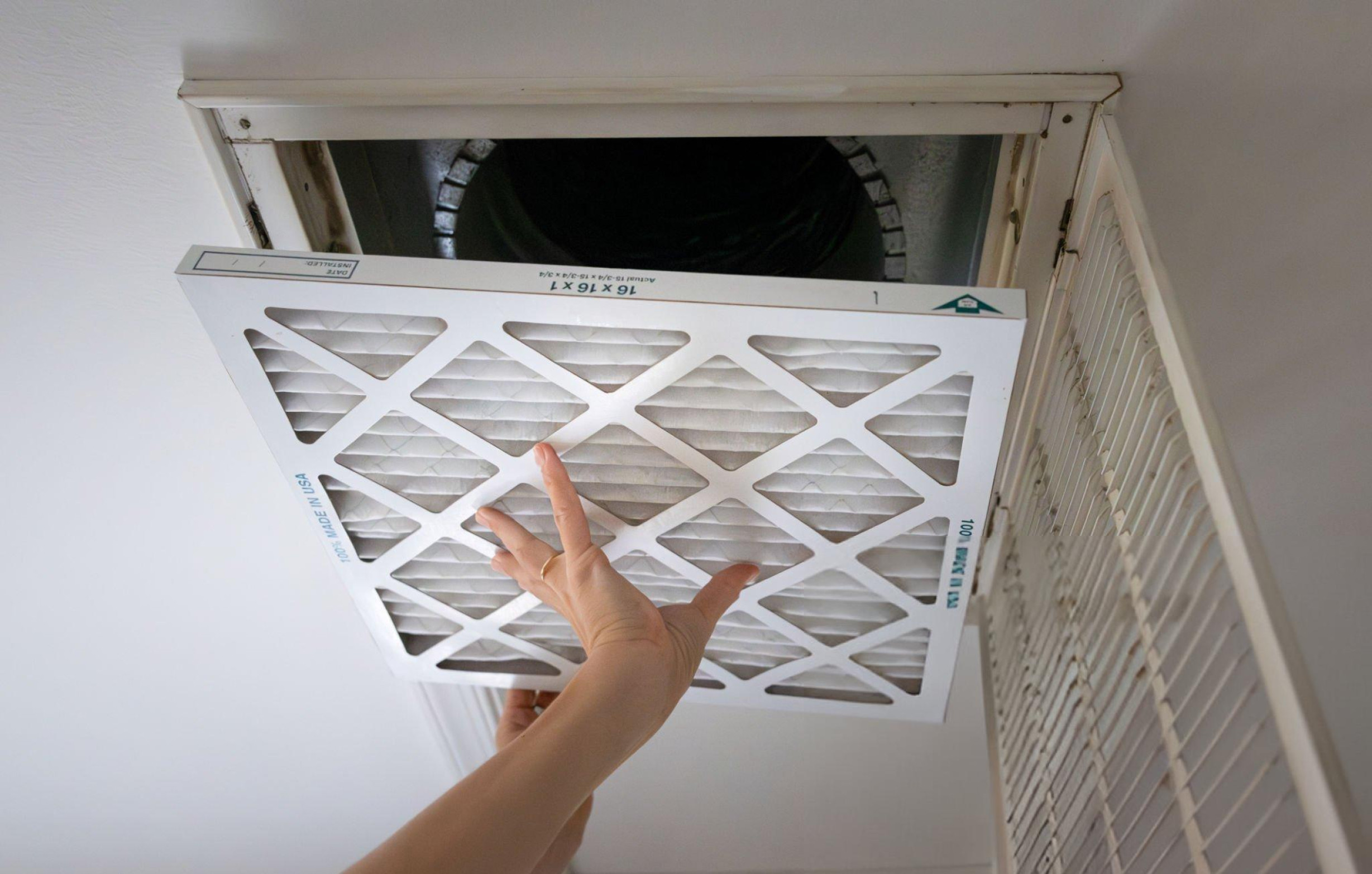
- Replace or clean filters every 1 to 3 months depending on use and indoor allergens.
- Check thermostat accuracy and recalibrate if necessary.
- Inspect condensate drains and pans for clogs to prevent moisture damage.
- Clean outdoor condensing units of leaves and debris, especially after storms.
- Lubricate motors and inspect belts for wear.
- Verify ignition safety controls and combustion efficiency on gas furnaces.
- Test airflow and inspect ductwork for leaks or disconnected sections.
- Verify refrigerant levels and inspect for leaks in cooling systems.
Following a seasonal maintenance plan reduces emergency repairs during Oakmont’s hottest and coldest periods.
Common HVAC failures and repair services
Understanding typical failures helps prioritize repairs and decide when replacement is appropriate.
- No heat or no cool
- Causes include thermostat issues, electrical failures, failed ignitors, or low refrigerant. Safe diagnostic checks include power and thermostat settings; deeper checks require certified technicians.
- Short cycling
- Often due to improper sizing, clogged filters, or refrigerant concerns. Short cycling stresses components and raises energy costs.
- Frequent pilot or ignition failures
- May indicate dirty burners, failing flame sensors, or venting problems.
- Compressor failure and refrigerant leaks
- Compressors are costly to replace; technicians will inspect for leaks and evaluate repair versus replacement based on system age.
- Blower motor and airflow problems
- Noisy or weak airflow often stems from failing motors, dirty coils, or obstructed ducts.
Repair services include diagnostics, parts replacement, safety checks, and performance tuning. For older systems with repeated failures, replacement may be the more economical and reliable option.
Indoor air quality solutions for Oakmont properties
High humidity and older construction in Oakmont create air quality challenges. Solutions include:
- High-efficiency filtration
- Upgrading to MERV-rated or HEPA-compatible filters improves particulate capture. Ensure compatible airflow with system design.
- Humidity control
- Whole-house dehumidifiers, humidistats, or advanced heat pump settings reduce summer moisture and winter dryness.
- Ventilation and energy recovery
- ERV or HRV systems introduce fresh air while minimizing energy loss, useful in well-sealed homes.
- UV germicidal lights and coil cleaning
- UV lights reduce microbial growth on coils and in air handlers, improving efficiency and reducing odors.
- Duct cleaning and sealing
- Address dust, allergens, and mold growth while improving system efficiency and airflow balance.
Warranty and service assurances
Warranties typically come in two parts: manufacturer parts warranties and installer or labor warranties. Manufacturer warranties cover specific components for defined terms under registered conditions. Installer labor warranties cover workmanship and are important when evaluating long-term value. Keep records of maintenance and any registered warranty information, as regular maintenance is often a condition of warranty coverage.
Pricing guidance and factors that influence cost
While costs vary, what matters most are the factors that drive price decisions:
- Equipment type and efficiency level
- Home size and ductwork condition
- Complexity of installation, including venting, electrical, and refrigerant line changes
- Need for duct modifications, insulation, or zoning systems
- Local permitting and code requirements
Understanding these variables helps set realistic expectations and select options that balance upfront investment with long-term operating costs.
Typical steps to schedule service or request a consultation
The process commonly follows a predictable path to ensure accurate assessment and clear options.
- Provide property details including size, age of system, and symptoms observed.
- Schedule a diagnostic visit where a technician inspects equipment, tests performance, and measures airflow and refrigerant conditions.
- Receive a written assessment outlining recommended repairs or replacement options, estimated timelines, and warranty information.
- Review options for equipment sizing, efficiency levels, and indoor air quality upgrades.
- Arrange follow-up service, whether a maintenance visit, repair, or installation, with clear expectations about scope and schedule.
Long-term benefits of timely HVAC care
Regular maintenance, prompt repairs, and correctly scoped installations lead to improved comfort, lower energy bills, fewer emergency breakdowns, and better indoor air quality. For Oakmont properties, addressing humidity, aging ductwork, and seasonal extremes translates to more consistent comfort and equipment that lasts longer.


.svg)
.webp)
.svg)
