.svg)

.webp)
In Plum, PA, Minor system symptoms often lead to major failures when they’re ignored for too long. If airflow feels weak, temperatures swing from room to room, or your system is running longer than usual, it’s time for a closer look. At Supreme Heating and Cooling, we inspect the system, explain what’s happening, and deliver the right repair or maintenance step to restore performance. You can expect straightforward recommendations backed by testing and a commitment to safe, code-aware service. Our work is completed with attention to manufacturer guidelines and the details that impact long-term reliability. To plan your upgrade, open an online request, and we’ll confirm a time that fits your schedule.
Common HVAC services and problems in Plum, PA homes
Plum homes experience full seasonal swings, and the most common service needs reflect that.
Heating repair and diagnostics
- No heat, intermittent heating, short cycling
- Pilot or ignition failures, unusual burner sounds
- High utility bills tied to furnace inefficiency
Cooling repair and diagnostics
- AC not cooling, weak airflow, frequent compressor short-cycling
- Refrigerant leaks, frozen evaporator coils, condenser failures
System installation and replacements
- Furnace, air conditioner, heat pump, ductless mini-split installs
- Full-system replacements for aging equipment (typical 12 to 18 year lifecycle variance)
Seasonal maintenance plans
- Pre-winter furnace tune-ups and safety checks
- Pre-summer AC tune-ups and refrigerant level checks
- Filter replacement, thermostat calibration, combustion analysis
Emergency service response
- After-hours heating failures, major AC breakdowns during heat waves
- Rapid diagnostics to restore safe operation or temporary heating/cooling solutions
Efficiency improvements and upgrades
- High-efficiency heat pumps, higher-SEER air conditioners
- Programmable and smart thermostats, zoning systems
- Duct sealing and insulation upgrades to reduce energy loss
Diagnostic process: what a technician will do
When a technician arrives at your Plum home they follow a structured diagnostic approach to determine root causes and identify the best solution.
- Intake and symptom review: gather system age, recent history, any error codes, and homeowner observations.
- Visual inspection: check outdoor condensing unit, indoor furnace or air handler, vents, and visible ductwork.
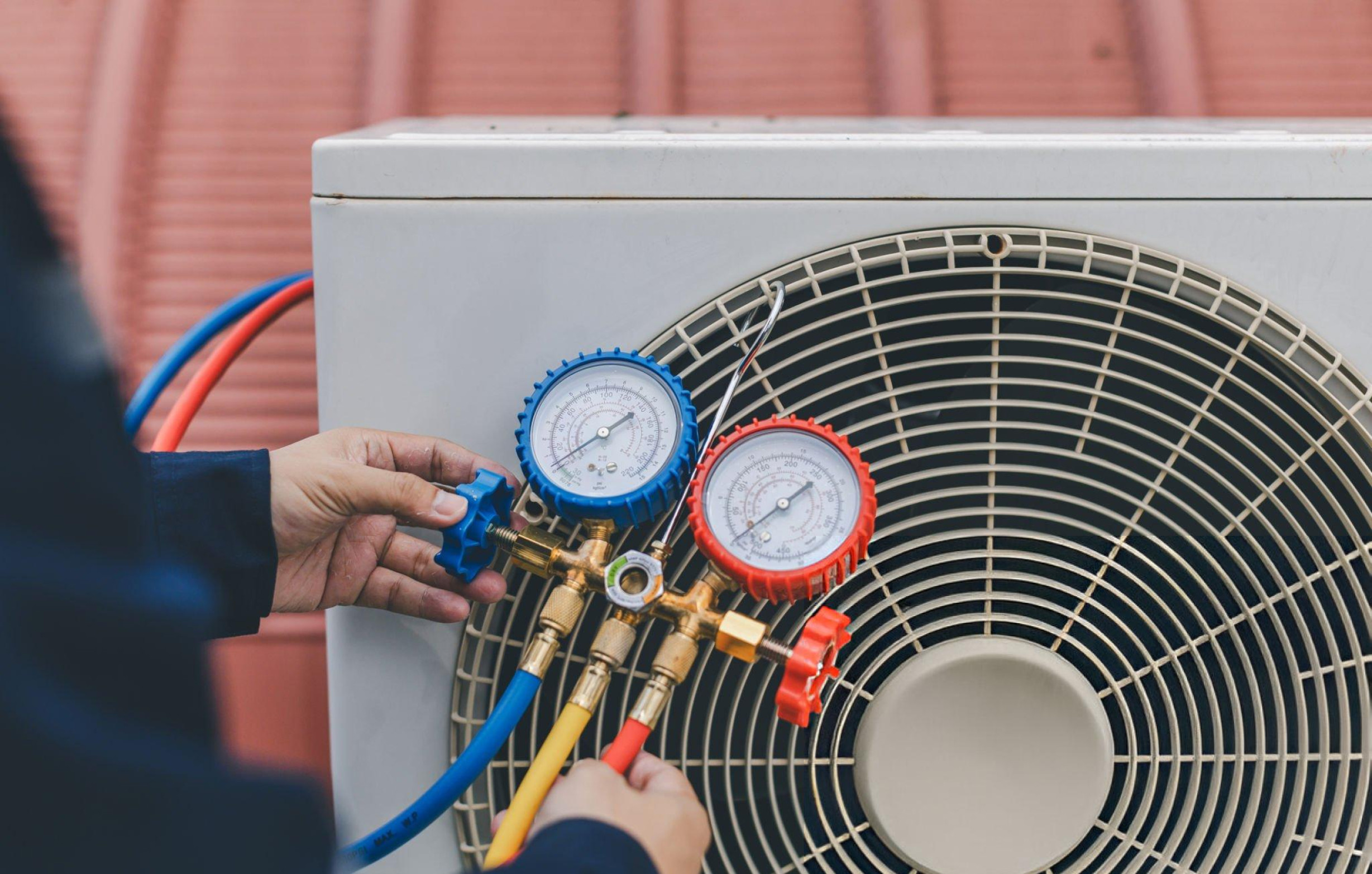
- Operational testing: run the system while measuring temperatures, pressures (for refrigerant systems), electrical readings, and airflow.
- Safety checks: test combustion components, flue ventilation, carbon monoxide risk (for gas furnaces), and electrical safety.
- Diagnosis and options: provide a clear explanation of findings, repair or replacement options, estimated timeline, and a written estimate.
Technicians will prioritize repairs that restore safe operation and recommend replacements when ongoing reliability, parts scarcity, or inefficiency make replacement the better long-term choice.
Installation and replacement considerations
Choosing the right replacement or new system in Plum depends on home size, insulation levels, and local climate patterns.
- Sizing: Proper load calculations (Manual J) ensure accurate equipment sizing to avoid short cycling or insufficient comfort.
- Efficiency: High-efficiency furnaces and modern heat pumps offer energy savings that matter during long heating seasons and humid summers.
- Ductwork: Inspect and correct duct leaks or balance airflow to improve distribution and reduce energy loss.
- Ventilation: Consider ERV/HRV or controlled ventilation in tightly sealed homes to maintain indoor air quality without sacrificing efficiency.
A typical replacement includes removal of the old unit, any necessary duct modifications, installation of the new equipment, system charge and calibration (for AC/refrigerant systems), and homeowner orientation on operation and maintenance.
Seasonal maintenance plans for reliability
Regular maintenance prevents breakdowns and extends equipment life. Typical maintenance plans for Plum homes include:
- Two seasonal visits per year (heating and cooling tune-ups)
- Filter inspections and guidance on replacement frequency
- Inspection of electrical components, belts, and motors
- Refrigerant level check and condenser coil cleaning
- Combustion and venting safety check for gas systems
- Priority scheduling or fast-track emergency response options for enrolled systems
Consistent maintenance improves efficiency, lowers energy bills, and reduces the chance of emergency repairs during peak heating or cooling seasons.
Emergency service response
Emergency service in Plum focuses on restoring safe, temporary operation quickly and diagnosing root causes to avoid repeat failures. Typical emergency scenarios include complete heating loss on a sub-freezing night or AC failure during a heatwave with medical concerns. Emergency response includes rapid diagnostics, short-term solutions to restore comfort, and a follow-up plan for full repair or replacement.
Efficiency improvements and common upgrades
Homeowners in Plum often upgrade systems to improve comfort and reduce utility costs:
- Switching to a high-efficiency heat pump for both heating and cooling
- Upgrading to a central AC with higher SEER rating
- Installing a multi-stage furnace or variable-speed blower for better temperature control
- Adding zoning controls or smart thermostats for targeted comfort and savings
- Sealing and insulating ductwork to improve system performance
These upgrades can be evaluated during a diagnostic visit with projected savings and payback estimates based on local energy costs and usage patterns.
Service area boundaries
Services described here are provided throughout Plum, PA and surrounding eastern Allegheny County communities. Typical nearby areas where similar residential HVAC work is common include Monroeville, Penn Hills, Murrysville, and nearby neighborhoods east of Pittsburgh. Technicians serving Plum are familiar with local housing stock, typical installation constraints, and weather-related system stressors common to the region.
How homeowners request an estimate or book a technician — what to expect
Requesting an estimate or scheduling a technician generally follows a consistent, transparent process:
- Prepare basic information: home address, system brand/model if known, system age, and a description of symptoms or the service needed.
- Initial scheduling: an appointment window is set for an on-site inspection or service visit.
- On-site inspection: the technician conducts the diagnostic process outlined above, tests the system, and identifies needed repairs or replacement options.
- Written estimate: after inspection, homeowners receive a written estimate that outlines recommended work, parts, labor, warranty information, and expected timeline.
- Decision and scheduling: once an option is chosen, technicians schedule the appropriate time for repair or installation, explain any preparatory steps, and clarify what to expect on the service day.
Technicians typically discuss warranty coverage, energy efficiency implications of options, and maintenance recommendations to reduce the chance of future issues.


.svg)
.webp)
.svg)
