.svg)

.webp)
Why Knowing How to Extend the Life of Your AC in the Northeast Can Save You Thousands
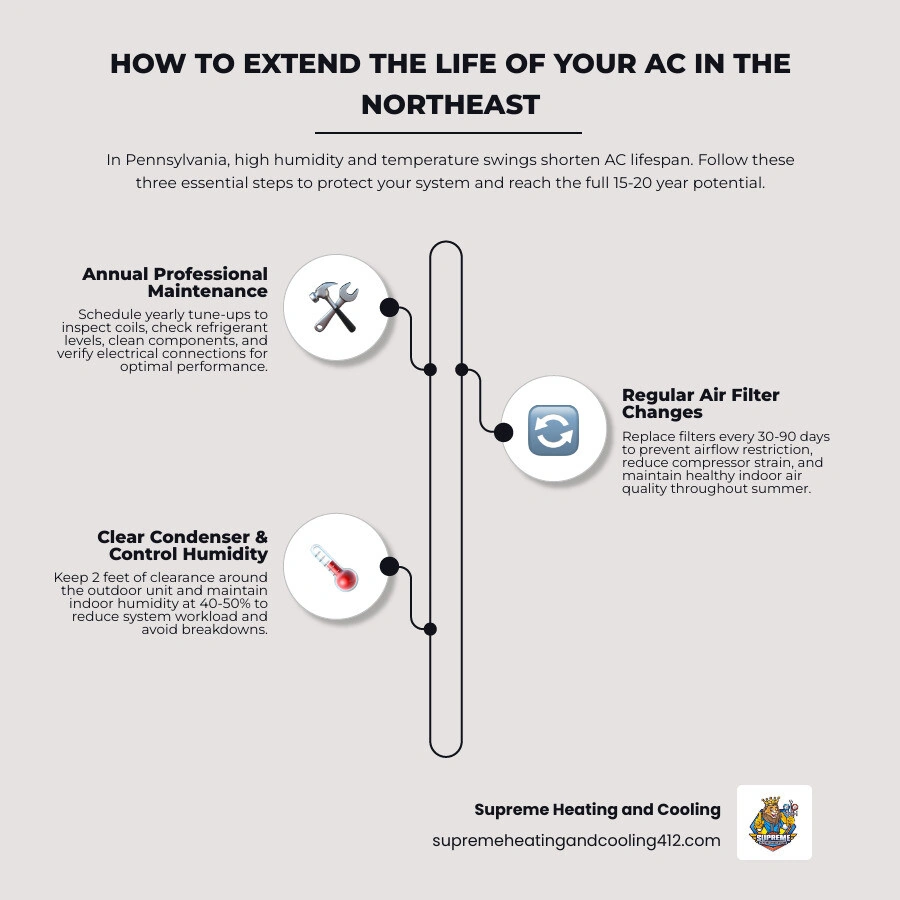
Knowing how to extend the life of your AC in the Northeast is one of the smartest things you can do as a homeowner in Pennsylvania. Here's a quick summary of the most important steps:
- Schedule annual professional maintenance - inspect coils, refrigerant, and electrical connections
- Replace air filters every 30-90 days - prevent airflow restriction and compressor wear
- Set your thermostat to 78°F - reduce system strain and save up to 10% on cooling costs
- Keep the outdoor condenser clear - maintain at least 2 feet of clearance around the unit
- Control indoor humidity (40-50%) - reduce the workload caused by excess moisture
- Seal air leaks and improve insulation - stop conditioned air from escaping
- Inspect and seal ductwork - prevent 20-30% conditioned air loss through leaks
- Limit heat-generating appliances - reduce indoor heat during peak cooling hours
- Address warning signs early - unusual noises, weak airflow, and rising energy bills
- Know when to replace - aging systems cost more to repair than replace
Your air conditioner is one of the hardest-working systems in your home. In Pennsylvania, it doesn't just battle summer heat — it also contends with high humidity, unpredictable temperature swings, and long shoulder seasons that keep the system cycling on and off. Those conditions put real stress on equipment, and without the right care, even a quality AC unit can fall short of its potential 15-to-20-year lifespan.
The good news is that most of what shortens an AC's life is preventable. Dirty filters, neglected coils, poor thermostat habits, and ignored warning signs are the usual culprits — and every one of them is something homeowners can address with a little knowledge and a consistent routine.
This guide walks you through everything you need to know to protect your investment, keep your home comfortable, and avoid the stress of a breakdown on the hottest day of the year.
Understanding AC Lifespan in the Pennsylvania Climate
When we talk about how long an air conditioner should last, the industry standard is typically 15 to 20 years. However, here in the Northeast—specifically in areas like Pittsburgh, Monroeville, and Bethel Park—the reality can be a bit more complicated. Our climate is characterized by significant fluctuations. We might have a week of mild, 70-degree days followed by a brutal stretch of 90-degree afternoons with 80% humidity.
This "rollercoaster" weather causes your system to cycle on and off frequently, a process known as short-cycling, which places immense strain on the compressor—the most expensive part of your unit. Furthermore, the high humidity levels in Pennsylvania mean your AC has to work twice as hard. It isn't just cooling the air; it's also acting as a giant dehumidifier. If the humidity is high, the system runs longer to pull moisture out of the air before it even begins to lower the temperature.
Without proper care, systems in our region often see their lifespans cut short by 2 to 4 years. By understanding these regional pressures, we can take specific steps to counteract the wear and tear caused by our local environment.
How to Extend the Life of Your AC in the Northeast Through Routine Maintenance
If there is one "secret" to longevity, it is professional maintenance. We often see systems that have failed prematurely simply because a small, inexpensive issue was allowed to snowball into a catastrophic failure. Annual tune-ups are the number one way to ensure your AC lasts its full 20-year potential.
During a professional visit, we don't just "look" at the unit. A comprehensive maintenance check includes:
- Coil Cleaning: Dirty evaporator and condenser coils restrict heat transfer, forcing the system to run hotter and longer.
- Refrigerant Checks: Even a tiny leak can cause the system to lose efficiency and eventually burn out the compressor.
- Electrical Inspections: We tighten connections and measure voltage to prevent electrical shorts or component damage.
- Lubrication: Moving parts like fan motors need lubrication to reduce friction and heat.
- Drain Line Clearing: We ensure the condensate drain is clear to prevent water damage and mold growth inside your home.
Essential Steps for How to Extend the Life of Your AC in the Northeast
While professional service is vital, the most important DIY task is managing your air filters. We recommend replacing or cleaning your filters every 30 to 90 days.
Why does this matter so much? A clogged filter is the leading cause of restricted airflow. When air can’t move freely, your AC has to work much harder to pull air through the system. This creates a "suffocation" effect that leads to overheated motors and frozen evaporator coils. If you have pets or suffer from allergies in areas like Fox Chapel or Greensburg, you should check your filters every 30 days. Maintaining clear airflow is the easiest way to prevent costly air conditioning services and repairs.
Maintaining the Outdoor Condenser Unit
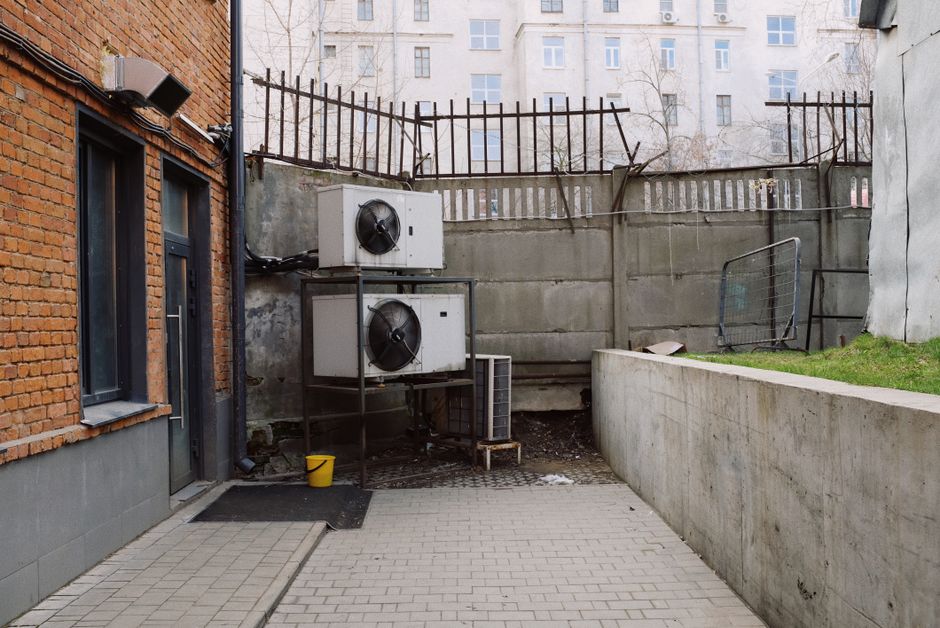
Your outdoor unit needs to "breathe" to release the heat it gathered from inside your home. If it’s buried under leaves, overgrown shrubs, or grass clippings, it can’t shed that heat efficiently.
We recommend maintaining at least a two-foot clearance around the entire unit. Trim back any bushes or flowers that have crept too close. Additionally, you can gently rinse the exterior fins with a garden hose (never a power washer!) to remove dust and pollen.
In the winter, many Pennsylvania homeowners want to protect their units from snow. However, be careful: avoid using plastic covers that wrap the entire unit. These trap moisture against the metal, leading to rust, corrosion, and even providing a cozy home for rodents who might chew on your wiring. If you must cover it, use a breathable cover or simply place a piece of plywood over the top to protect it from falling icicles.
Optimizing Your Home Environment to Reduce System Strain
Your AC doesn't live in a vacuum; it’s part of your home’s overall ecosystem. If your home is "leaky," your AC is essentially trying to cool the entire neighborhood. Improving your home’s envelope is a direct way to reduce the workload on your cooling system.
Start by inspecting your insulation. Many older homes in Aspinwall or Wilkinsburg may have settled attic insulation that no longer meets modern standards. Adding insulation helps keep the cool air in and the attic heat out. Similarly, sealing air leaks around windows and doors with weatherstripping or caulk prevents "thermal gain," meaning your AC doesn't have to cycle as often to maintain your desired temperature.
Smart Thermostat Habits for How to Extend the Life of Your AC in the Northeast
How you interact with your thermostat plays a massive role in equipment longevity. Many people make the mistake of cranking the AC down to 65°F when they get home, thinking it will cool the house faster. In reality, AC systems cool at a constant rate; setting it lower just makes it run longer.
The Department of Energy recommends a setting of 78°F when you are home. While that might sound warm, using ceiling fans can make the room feel 4 to 6 degrees cooler due to the wind-chill effect.
We highly recommend installing a smart or programmable thermostat. This allows you to set the temperature higher (around 82°F) when you are away or sleeping. By allowing the system to "rest" during unoccupied hours, you can save up to 10% on annual cooling costs and significantly reduce the total hours the compressor has to run each season.
Humidity Control and Ductwork Integrity
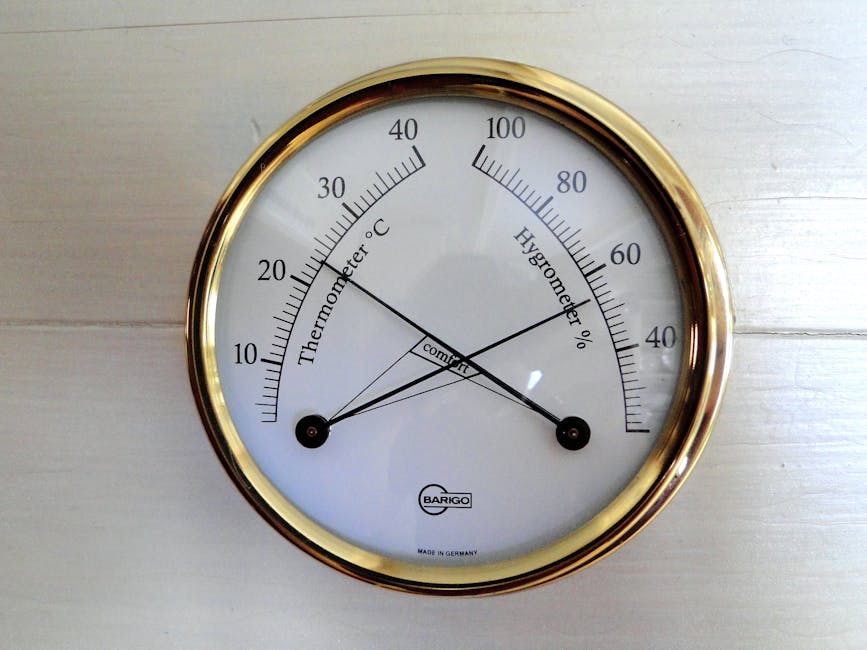
In the Northeast, humidity is often the real enemy. When indoor humidity levels climb above 50%, the air feels heavy and warm, prompting most people to lower the thermostat. Instead of forcing the AC to do all the heavy lifting, consider using a whole-home dehumidifier or a standalone unit in damp areas like basements. Keeping indoor humidity between 40% and 50% allows you to feel comfortable at higher temperatures, reducing system strain.
Furthermore, don't ignore your ducts. The average home loses 20% to 30% of its conditioned air through leaks in the ductwork. If your ducts are leaking into your attic or crawlspace, your AC has to work 30% harder just to achieve the same level of comfort. Professional duct sealing and periodic air conditioning services like duct cleaning ensure that the air you pay to cool actually reaches your living spaces.
Managing Internal Heat Loads and Warning Signs
Believe it or not, your daily habits inside the house can affect how long your AC lasts. On a scorching July afternoon in Pittsburgh, your AC is already fighting the sun. Don't make it fight your appliances, too.
- Limit Appliance Use: Ovens, dishwashers, and clothes dryers generate a tremendous amount of heat. Try to use these in the early morning or late evening.
- Switch to LEDs: Old incandescent light bulbs are essentially small heaters. Switching to LED lighting reduces internal heat gain.
- Electronics: Large TVs and computers also generate heat. Turn them off when not in use.
While you manage the heat, stay vigilant for warning signs that your system is struggling. Catching these early can mean the difference between a simple repair and a full system replacement:
- Weak Airflow: This often points to a failing motor or a major duct leak.
- Unusual Noises: Squealing, banging, or rattling sounds usually indicate a loose belt or a failing bearing.
- Frequent Cycling: If the unit turns on and off every few minutes, it’s under extreme stress.
- Rising Energy Bills: If your habits haven't changed but your bill has spiked, your system's efficiency is likely plummeting.
Recognizing When to Repair vs. Replace Your Cooling System
Eventually, every system reaches the end of its road. The challenge for homeowners in areas like Plum or Oakmont is deciding when to stop pouring money into an old unit.
| Factor | Consider Repair | Consider Replacement |
|---|---|---|
| Age | Under 10 years | Over 15 years |
| Refrigerant | R-410A (Modern) | R-22 (Phased out/Expensive) |
| Repair Cost | Minor (under $500) | Over 50% of system value |
| Efficiency | High SEER rating | Low SEER (Pre-2010) |
| Performance | Consistent cooling | Hot/Cold spots, high humidity |
A good rule of thumb is the "5,000 Rule." Multiply the age of the unit by the cost of the repair. If the total is more than $5,000, it is usually more cost-effective to replace the system. For example, a 12-year-old unit needing a $600 repair (12 x 600 = 7,200) is a prime candidate for replacement.
Additionally, if your system still uses R-22 refrigerant (Freon), repairs involving the sealed system will be incredibly expensive because R-22 is no longer produced. Upgrading to a modern, high-efficiency SEER2 system will not only provide better comfort but will also significantly lower your monthly utility bills.
Frequently Asked Questions about AC Longevity
How often should I schedule professional AC maintenance in the Northeast?
We recommend scheduling professional maintenance once a year, ideally in the early spring before the first heatwave hits. This allows us to clear out any debris that accumulated over the winter and ensure the system is ready for the heavy lifting of a Pennsylvania summer.
What are the most common warning signs that my AC is failing?
The most common signs include inconsistent temperatures between rooms, strange odors (musty or burning smells), unusual noises like grinding or thumping, and a noticeable increase in your monthly energy bills. If you see ice forming on the outdoor refrigerant lines, shut the system off immediately and call for service.
Is it better to turn the AC off or raise the temperature when I'm not home?
It is almost always better to raise the temperature (to about 78-82°F) rather than turning the system off entirely. If you turn it off, the humidity in your home will spike, and the walls, furniture, and floors will soak up heat. When you return, the AC will have to run for hours at maximum capacity to "recover," which puts more strain on the compressor than simply maintaining a slightly higher temperature.
Conclusion
Extending the life of your air conditioner isn't about luck; it's about consistent, proactive care. By managing your filters, keeping your outdoor unit clear, and optimizing your home environment, you can enjoy reliable comfort for years to come.
At Supreme Heating and Cooling, we are proud to serve our neighbors in Pittsburgh, Monroeville, Bethel Park, and throughout the surrounding communities. Our team is dedicated to providing the trustworthy, non-pushy service you need to keep your home safe and efficient. Whether you need a routine tune-up or a complex repair, we are here to provide the peace of mind you deserve.
Don't wait for a breakdown to give your cooling system the attention it needs. Schedule your professional AC maintenance today and let us help you maximize the life of your investment!


.svg)
.webp)
.svg)
