.svg)

.webp)
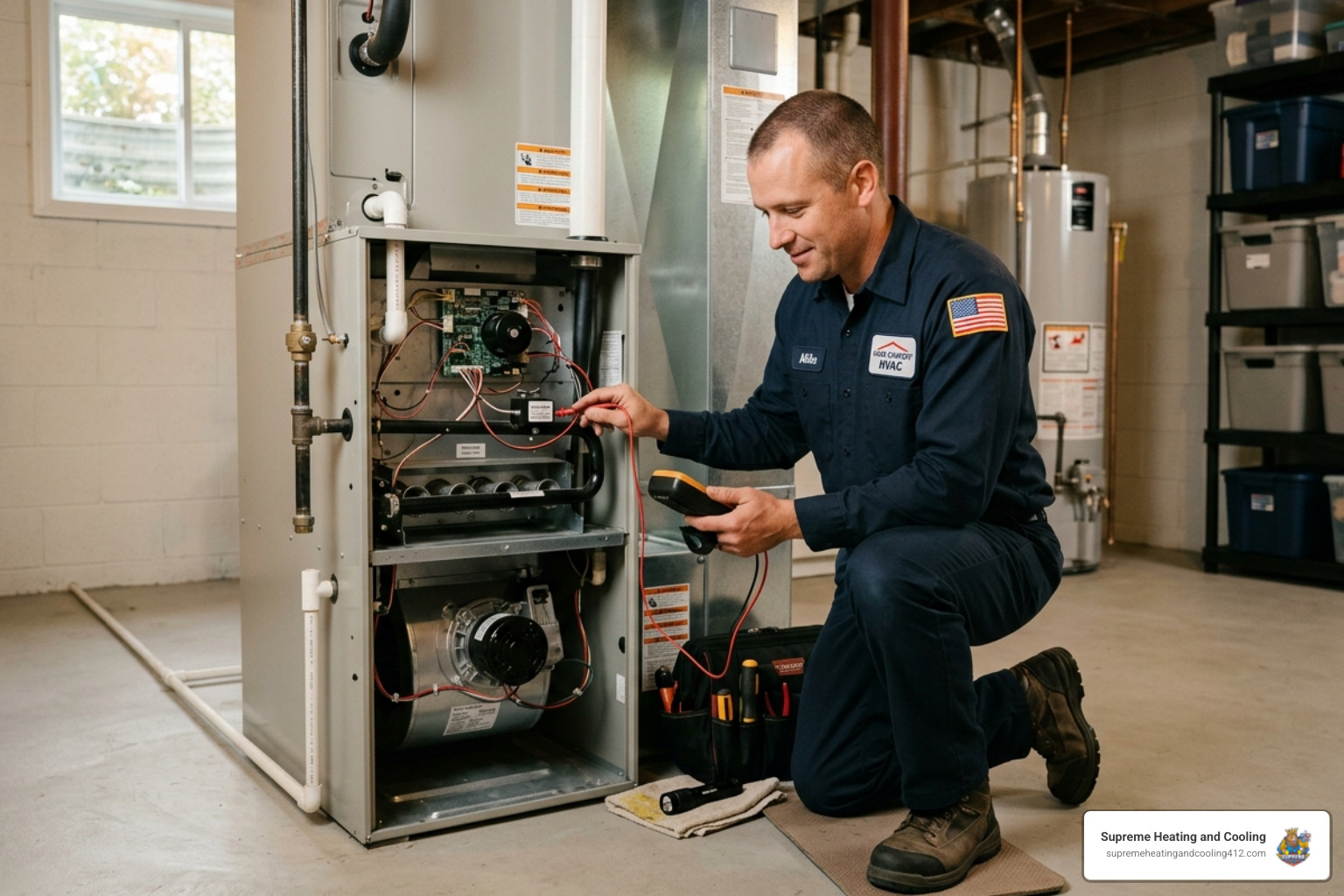
What is a furnace high-limit switch and why is its function critical for safety?
The furnace high-limit switch is a small but incredibly important safety device within your heating system. Its primary role is to monitor the internal temperature of your furnace's heat exchanger. If this temperature rises above a safe threshold, typically around 180°F, the high-limit switch automatically shuts off the burners. This action prevents the furnace from overheating, which could lead to severe damage to components like the heat exchanger or even pose a fire hazard.
The high-limit switch is a safety control, not an operational one. It's not designed to cycle your furnace on and off during normal operation. If your furnace is frequently tripping this switch, it's a clear indication that something is wrong, and ignoring it can lead to serious consequences. A continuously overheating furnace puts immense stress on its components, significantly shortening the lifespan of your heat exchanger and potentially leading to cracks that could leak carbon monoxide. The risks involved if a high-limit switch problem is ignored are substantial, ranging from costly repairs to dangerous safety hazards in your home.
The Essential Role of Your Furnace's Safety Controls
During a typical heating cycle, your furnace burners should remain on continuously until the thermostat's call for heat is satisfied. The high-limit switch acts as a crucial guardian, intervening only when temperatures exceed safe operating limits. Maintaining the manufacturer-specified temperature rise across the heat exchanger (often between 35-70°F) is vital for the furnace's health. When a furnace repeatedly overheats and trips the high-limit switch, it's akin to constantly revving a car engine beyond its redline. This constant stress can cause components to warp or crack, leading to premature failure and potentially expensive repairs. Our team at Supreme Heating and Cooling understands the intricacies of these safety controls and the importance of addressing any issues promptly to protect your home and investment.
Is frequent high-limit switch tripping normal, and what are its common causes?

If your furnace's high-limit switch is tripping frequently, it's a definite sign of an underlying problem, not a normal part of its operation. This frequent activation indicates that your furnace is struggling to dissipate heat effectively, causing it to overheat. The most common causes of repeated high-limit switch activation almost always stem from airflow restrictions.
One of the primary culprits is a dirty air filter. We recommend changing your furnace's air filter every three months, or even more frequently if you have pets or allergies. A clogged filter severely impedes airflow, forcing the furnace to work harder and increasing internal temperatures. Other common causes include restricted return air ducts or blocked registers throughout your home. Sometimes, furniture, rugs, or even debris can inadvertently obstruct these critical pathways, starving your furnace of the air it needs.
Furthermore, a dirty blower wheel or evaporator coil can significantly reduce the fan's ability to move air, leading to overheating. Incorrect fan speed settings, especially if they are too low for your system's output, can also contribute to this issue. In some cases, undersized ductwork that isn't capable of handling the volume of air your furnace produces can be the root cause. If you're experiencing these issues, it's wise to consult our guides on heating system troubleshooting, signs you need furnace repair, and common furnace repair problems for more insights.
Airflow Problems: The Leading Cause
Airflow problems are by far the leading cause of furnace overheating and subsequent limit switch trips. When your furnace can't move enough air across the heat exchanger, the heat builds up, triggering the safety mechanism. For instance, highly restrictive filters, such as some 3M Filtrete models, can significantly impact airflow, even if they appear clean. We've seen numerous real-world scenarios where something as simple as a rug covering a return air grill or a build-up of pet hair on an A-coil has caused a furnace to constantly trip its high-limit switch. In fact, studies suggest that restrictive filters or return air issues contribute to a large percentage of repeated limit switch activations in residential gas furnaces. If simply removing your air filter temporarily prevents the high-limit trips, it strongly indicates that an airflow restriction is the core issue. Addressing these airflow limitations is crucial for your furnace's efficiency and longevity.
How can homeowners safely troubleshoot a high-limit switch issue, and when is professional help needed?

While a faulty high-limit switch ultimately requires professional attention, there are a few safe DIY troubleshooting steps you can take as a homeowner to potentially identify or temporarily resolve the issue. First, check and replace any dirty air filters. This is often the quickest and easiest fix for airflow problems. Next, ensure all supply registers and return air grills throughout your home are fully open and unobstructed. Check for furniture, drapes, or anything else that might be blocking airflow.
For diagnostic purposes only, you can temporarily run your furnace without the air filter for a short period to see if the limit switch still trips. If it doesn't, it strongly suggests an airflow restriction caused by the filter or elsewhere in the return air path. This is not a long-term solution, as running your furnace without a filter can introduce dust and debris into your system. If your furnace has repeatedly tripped and locked out, a simple power cycle (turning the furnace power off at the breaker for a few minutes, then back on) can sometimes reset the control board.
You should suspect the limit switch itself is faulty and needs replacement if you've ruled out all common airflow issues (clean filter, clear vents, etc.), and the furnace continues to trip. Physical damage or visible signs of wear on the switch could also indicate a direct component failure. However, we strongly caution against bypassing safety switches. This is extremely dangerous and can lead to serious damage or fire. For more insights on what not to do, check out The Top 5 Furnace Repair Mistakes to Avoid.
Recognizing When to Call a Professional
If your furnace continues to trip after you've performed these basic checks, or if you notice unusual noises, strange odors, or error codes on your furnace, it's time to call in the experts. These signs indicate a deeper problem that requires professional diagnosis. Our technicians use specialized tools like manometers to measure static pressure across your furnace and ductwork, providing scientific data to pinpoint exact airflow restrictions that aren't visible to the naked eye. We can also accurately assess the temperature rise and ensure it falls within manufacturer specifications. It's also important to note that adjusting gas valves is not a recommended DIY fix. This should only be done by a qualified professional, as improper adjustments can lead to inefficiency, condensation issues, or even dangerous combustion problems. When it comes to complex furnace issues, our team at Supreme Heating and Cooling is equipped with the knowledge and tools to provide a safe and effective solution.
Who can reliably repair a faulty furnace limit switch near Turtle Creek, and what should you look for in an HVAC professional?
When your furnace limit switch is acting up, choosing a qualified and reliable HVAC professional for repairs is paramount. You need someone who understands the intricacies of your heating system and can ensure your home's safety and comfort. For homeowners near Turtle Creek, PA, finding reputable HVAC services means looking for companies with a strong local presence and a commitment to quality.
At Supreme Heating and Cooling, we pride ourselves on offering professional, knowledgeable, and friendly installation, maintenance, and repair of heating and AC systems, serving the entire Turtle Creek area and surrounding communities. When you're looking for an HVAC professional, here are some key qualities to consider:
- Licensed and Insured: Ensure the company and its technicians are fully licensed and insured to protect yourself and your property.
- Local Reputation: Look for companies with positive reviews and a proven track record within the Turtle Creek community.
- 24/7 Emergency Service: Heating issues don't always happen during business hours, so access to emergency service is crucial.
- Clear Communication: A good technician will explain the problem, the solution, and what to expect in a way you can understand.
- Comprehensive Diagnostics: They should use proper tools and methods to accurately diagnose the root cause, not just treat symptoms.
- Experience and Expertise: Technicians should be experienced with various furnace makes and models, including diagnosing specific component failures like limit switches.
We are dedicated to providing exceptional furnace repair in Turtle Creek, PA and comprehensive heating repair services throughout our service areas, including Turtle Creek, PA.
Why Local Expertise Matters for Furnace Repair
Choosing a local company like Supreme Heating and Cooling offers distinct advantages. We understand the specific needs and challenges of homes in the Turtle Creek area, allowing us to provide prompt and reliable service. Our technicians are familiar with the common issues faced by local residents and are equipped to respond quickly to your heating emergencies. We offer a full range of furnace repair services, from diagnosing complex airflow problems to the precise replacement of faulty components like limit switches. Our goal is to provide trustworthy, non-pushy service, ensuring your heating system operates safely and efficiently, keeping your family warm throughout the colder months.
What preventative maintenance steps can avoid future high-limit switch problems?
Proactive preventative maintenance is the most effective way to avoid future high-limit switch issues and ensure the longevity and efficiency of your furnace. Regular care can prevent the airflow restrictions that are the primary cause of these trips.
We highly recommend scheduling annual professional furnace tune-ups, ideally before the heating season begins. During these tune-ups, our technicians will thoroughly inspect your system, clean vital components, and identify any potential problems before they escalate. This ensures optimal performance and safety throughout the year.
Beyond professional service, there are several steps you can take:
- Regular Air Filter Replacement: This is perhaps the easiest and most impactful maintenance task. Replace your air filter every 1-3 months, depending on usage, pets, and allergies. Use filters with appropriate MERV ratings for your system to maintain good airflow.
- Clear Return Air Vents and Supply Registers: Periodically check that all return air vents and supply registers in your home are clear of obstructions like furniture, rugs, or debris.
- Professional Cleaning: Have your blower wheel and evaporator coils professionally cleaned as part of your annual maintenance. These components can accumulate dust and grime, severely restricting airflow.
- Proper Fan Speed Settings: Ensure your furnace's fan speed is set correctly for your home's ductwork and heating needs. This is typically checked during a professional tune-up.
By following these steps, you can significantly reduce the likelihood of your furnace overheating and tripping its high-limit switch. We also offer specialized services like furnace capacitor replacement, addressing furnace pilot light issues, and diagnosing why your furnace is blowing cold air, all of which contribute to a healthy heating system.
The Benefits of Proactive Furnace Care
Consistent furnace maintenance isn't just about preventing limit switch issues; it's about extending the overall life of your furnace and significantly improving its energy efficiency. A well-maintained furnace runs smoother, uses less energy, and provides more consistent heating. By investing in proactive care, you can prevent costly breakdowns, avoid unexpected repairs during peak heating season, and enjoy consistent home comfort for years to come. Our team at Supreme Heating and Cooling is here to help you implement a maintenance plan that keeps your furnace running optimally and safely.
Frequently Asked Questions about Furnace Limit Switches
What is the typical temperature range for a high-limit switch to trip?
A high-limit switch typically trips around 180°F to prevent overheating. In contrast, the fan-on limit, which signals the blower to start circulating warm air, is usually set around 120°F.
Can a faulty limit switch cause my furnace to short cycle?
Yes, a faulty or frequently tripping high-limit switch is a common cause of short cycling. When the switch trips, it shuts down the burners, but the fan often continues to run to cool the heat exchanger. Once the temperature drops, the furnace may attempt to restart, leading to a rapid on-and-off cycle that is inefficient and can put undue stress on your system.
How often should I have my furnace professionally inspected to prevent limit switch issues?
We recommend having your furnace professionally inspected and tuned up annually. The ideal time for this maintenance is before the heating season begins, typically in the fall. Regular inspections help catch and address potential issues, such as airflow restrictions or a weakening limit switch, before they lead to problems.
Conclusion
If your furnace limit switch is acting up, it's a clear signal that your heating system needs attention. While some basic troubleshooting can be done safely, persistent issues or suspected faulty components require the expertise of a professional HVAC technician. For reliable furnace repair and maintenance near Turtle Creek, PA, consider reaching out to Supreme Heating and Cooling. Our team is dedicated to providing trustworthy, non-pushy service to ensure your home stays warm and safe. Don't let a faulty limit switch leave you in the cold – contact us today for expert assistance.Call Supreme Heating and Cooling for Furnace Repair in Turtle Creek, PA


.svg)
.webp)
.svg)
