.svg)

.webp)
When your HVAC system repeatedly causes your circuit breaker to trip, it signals more than just a nuisance—it can point to serious electrical issues or equipment faults that affect your home's safety and comfort. At Supreme Heating and Cooling, we understand how confusing and frustrating breaker problems can be, which is why our detailed guide aims to explain common causes, proper troubleshooting, safety precautions, and when to seek professional help. Understanding the mystery behind your tripping breaker is the first step in restoring reliable and efficient heating and cooling to your home.
Common Causes of Tripping Breakers Related to HVAC Systems
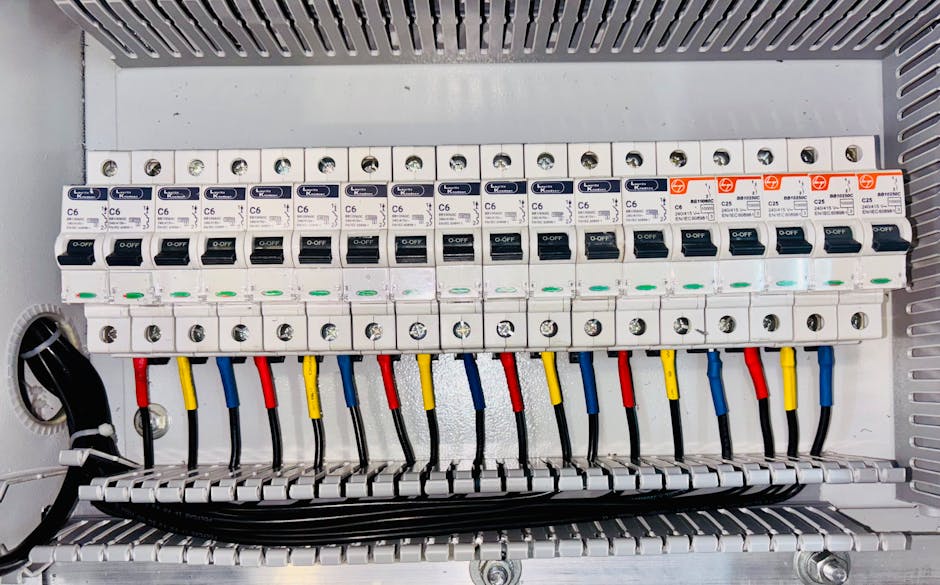
Circuit breakers are designed to protect your home’s electrical system by shutting off power when an overload or short circuit occurs. In HVAC setups, breakers often trip because:
- Electrical Overload: HVAC units draw significant power, especially during extreme weather. If other appliances share the same circuit or the unit is aging, it can overload the breaker.
- Short Circuits: Wiring issues inside the HVAC equipment or the breaker panel can create short circuits, triggering the breaker to trip immediately.
- Faulty Capacitors or Motors: Components like motors and capacitors in your air conditioner or furnace can degrade or malfunction, causing excessive current draw.
- Ground Faults: When electrical current escapes to an unintended path, such as a damaged wire touching the unit’s metal frame, it causes ground faults that trip the breaker.
- Breaker Wear and Tear: Breakers themselves can wear out or become weak, leading to premature tripping even if the electrical load is safe.
- Environmental Factors in [Location]: In many [Location] homes, humidity, seasonal temperature swings, and dust accumulation exacerbate electrical and HVAC component stress, increasing the likelihood of breaker issues.
Troubleshooting Steps You Can Take Safely
Before calling a professional, you can perform some basic checks to better understand the problem—but safety is critical. Always ensure power is off and avoid touching live wires.
- Reset the Breaker Carefully: Flip the breaker fully to the off position, then back on. If it trips immediately, don’t try to reset repeatedly.
- Inspect the HVAC Unit for Visible Issues: Look for burning smells, unusual noises, or signs of wear on wires and components.
- Check for Overloaded Circuits: Identify if multiple heavy appliances or systems share the circuit with your HVAC; unplug or turn off other devices temporarily.
- Examine the HVAC Air Filter and Vents: Clogged filters or blocked vents cause the system to overwork, potentially drawing more current.
- Look for Water or Moisture: In [Location] climates, condensation or leaks can cause shorts and corrosion around electrical parts.
- Document When and How Often It Trips: Note if it happens during startup, continuous operation, or specific weather conditions.
When a Tripping Breaker Signals a Larger HVAC or Electrical Fault
Repeated trips, especially after resets, usually indicate a deeper problem that requires expert diagnosis:
- Wiring or Electrical Panel Issues: Older or damaged wiring can cause persistent shorts or ground faults. Breaker panels may also need upgrading if they no longer handle your home’s electrical load safely.
- Faulty HVAC Components: Motors, compressors, capacitors, and fan controls failing can cause intermittent or continuous overload conditions.
- Improper Breaker Size or Type: Sometimes the installed breaker doesn’t match the HVAC unit’s electrical specifications, leading to nuisance tripping.
- Refrigerant or Compressor Problems: Malfunctions in cooling components may put mechanical strain on electrical parts, increasing current draw.
- External Electrical Problems: Issues outside the HVAC unit, like utility power irregularities or other connected appliance faults, can also cause breakers to trip.
Safety Warnings About Tripping Breakers and HVAC Electrical Systems
Breaker trips are safety mechanisms, not inconveniences to ignore. Ignoring repeated trips can lead to:
- Electrical Fires: Persistent shorts or overloaded wiring create fire hazards.
- Damage to HVAC Equipment: Electrical faults cause premature failure of compressors, motors, and circuit boards.
- Shock Hazards: Exposed or damaged wiring increases the risk of electric shock.
- Home Comfort Loss: Frequent shutdowns impede your heating or cooling, risking indoor air quality and comfort, especially critical in extreme [Location] climates.
Never attempt complex electrical repairs yourself unless you are a qualified electrician. Working on HVAC electrical components involves risks that require professional training and equipment.
Professional Diagnostic and Repair Services by Supreme Heating and Cooling
Our experienced technicians at Supreme Heating and Cooling specialize in resolving breaker issues tied to heating and cooling systems in [Location]. Our approach includes:
- Comprehensive Electrical Inspection: We test breakers, wiring, and HVAC components using industry-grade tools to identify exact fault points.
- Load Calculations and Circuit Evaluations: Ensuring your breaker panel can safely support your HVAC system and household electrical demands.
- Component Testing and Replacement: We diagnose and replace failing motors, capacitors, contactors, and other electrical parts causing trips.
- Breaker Panel Upgrades: When needed, we recommend and install modern panels and breakers suited to your system’s requirements.
- System Optimization: Cleaning and maintaining HVAC units to reduce electrical load and extend equipment life.
- Safety Compliance Checks: Ensuring all repairs meet local electrical codes and regulations, keeping your home and family safe.
Long-Term Benefits of Timely Breaker Issue Resolution
Resolving breaker problems swiftly is crucial for maintaining both electrical safety and HVAC system performance. Benefits include:
- Enhanced Home Safety: Reducing the risk of electrical fires and shocks.
- Increased HVAC Efficiency: Properly functioning electrical systems help your heating and cooling operate at optimal performance, saving energy.
- Lower Repair Costs: Preventing secondary damage to HVAC components saves money on costly replacements.
- Improved Comfort and Reliability: Consistent operation through all seasons keeps indoor air quality and temperature stable, important for [Location] weather extremes.
- Extended Lifespan of Equipment: Well-maintained electrical and HVAC systems last longer, providing better return on investment.
Preventative Measures to Avoid Future Breaker Tripping
To minimize the chances of breaker trips in your [Location] home, consider:
- Scheduling regular HVAC inspections to catch early electrical issues.
- Replacing air filters monthly during heavy use seasons.
- Avoiding electrical circuit overloads by distributing appliance use.
- Keeping HVAC outdoor units free of debris, dirt, and moisture accumulation.
- Upgrading older breaker panels and wiring to match modern electrical demands.
- Using surge protectors where appropriate to guard against power surges.
At Supreme Heating and Cooling, we bring 15+ years of expertise solving tripping breaker mysteries, ensuring your HVAC electrical system runs safely and reliably. Understanding the root cause behind tripping breakers is essential for maintenance and peace of mind in your [Location] home, especially amid local climate challenges that place increased strain on heating and cooling equipment.
Frequently Asked Questions
Q: Why does my HVAC breaker trip only when the system starts up?
A: Startup requires a surge of power to the compressor and motors; if components are malfunctioning or breakers are weak, it can cause immediate trips.
Q: Can a dirty air filter really cause breaker trips?
A: Yes. Dirty filters obstruct airflow, making the system work harder and draw more electrical current, often resulting in breaker overloads.
Q: How do I know if my breaker panel needs upgrading?
A: Frequent trips, tripping of unrelated breakers, or an outdated panel model are signs it may not keep up safely with your home’s electrical load.
Q: Is it safe to reset my breaker repeatedly?
A: No. Repeated resets without addressing the cause increase fire risk and can damage your HVAC components.
Q: How quickly should I call a professional when breakers trip?
A: At the first repeated or unexplained breaker trip, it’s best to have a qualified technician diagnose the issue to avoid hazards and costly repairs.

.svg)
.webp)
.svg)
