.svg)

.webp)
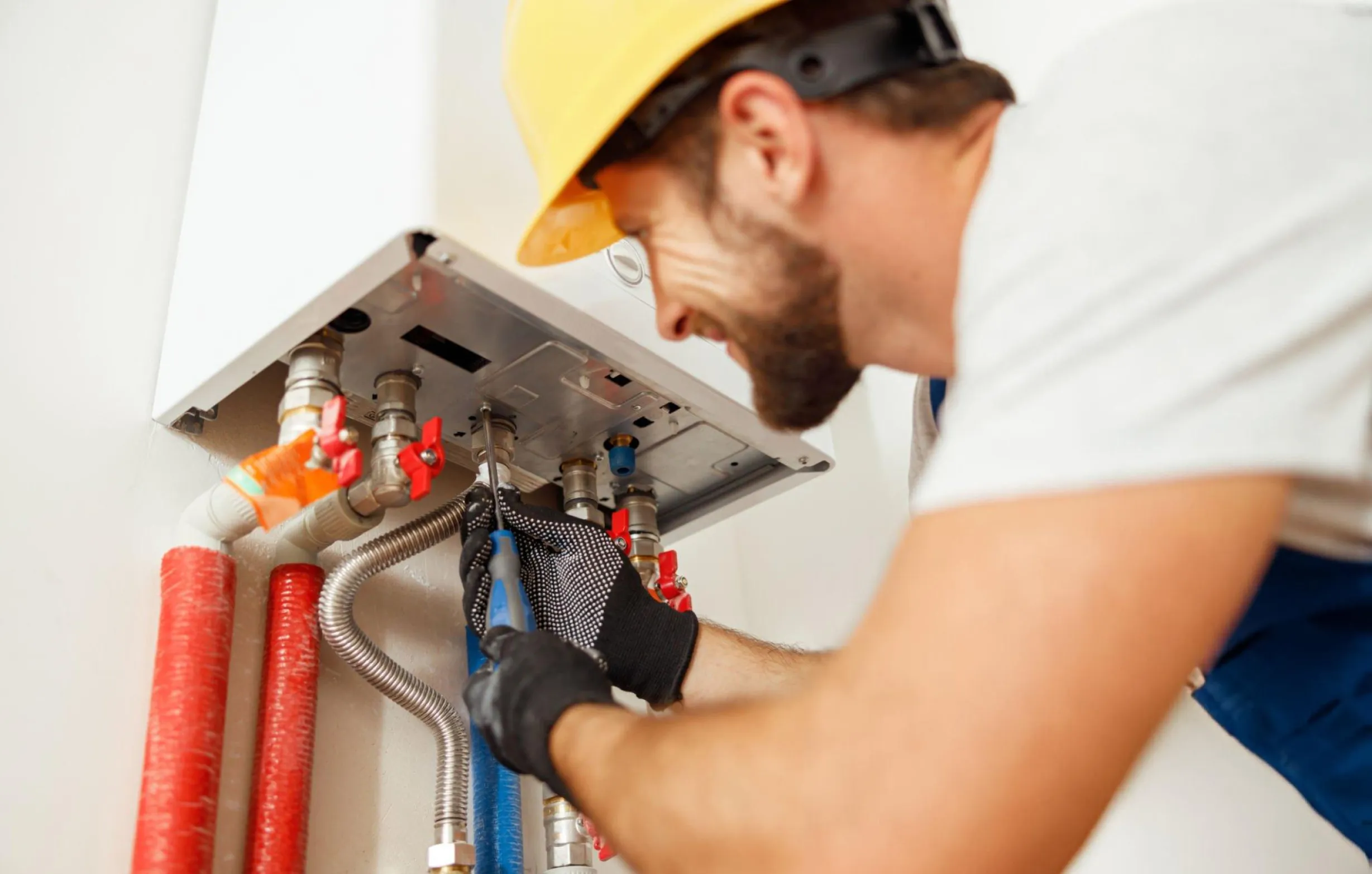
Keeping your home comfortable year round in Penn Hills, PA requires HVAC systems that are correctly sized, well maintained, and adapted to local weather. Our HVAC Services in Penn Hills, PA cover everything from system installation and replacement to routine maintenance, fast emergency repairs, and strategic lifecycle planning.
HVAC Services in Penn Hills, PA
Keeping your home comfortable year round in Penn Hills, PA requires HVAC systems that are correctly sized, well maintained, and adapted to local weather. Our HVAC Services in Penn Hills, PA cover everything from system installation and replacement to routine maintenance, fast emergency repairs, and strategic lifecycle planning.
Why local HVAC matters in Penn Hills, PA
Penn Hills experiences humid summers and cold, snowy winters, so heating and cooling loads can be extreme. High summer humidity stresses air conditioners and can cause mold or indoor air quality problems if humidity control is poor. Winters place heavy demand on furnaces and heat pumps, especially in older homes with drafty envelopes or aging ductwork. Local soil and weather patterns also mean systems need proper drainage and corrosion-resistant components. Choosing HVAC Services in Penn Hills, PA that understand these local influences helps avoid frequent breakdowns and high utility bills.
Common HVAC issues in Penn Hills homes
- No cooling or weak airflow: Often caused by clogged filters, failing blower motors, or refrigerant leaks.
- Uneven heating or cooling between rooms: Results from poor duct design, blocked vents, or zoning issues.
- High energy bills: Typically due to inefficient equipment, poor insulation, or incorrect system sizing.
- Short cycling: System turns on and off frequently, indicating thermostat problems, refrigerant issues, or oversized equipment.
- Strange noises or odors: Loose components, failing motors, or mold and dust accumulation.
- Pilot or ignition failures in furnaces: Common in older heating systems after long seasonal shutdowns.
- Refrigerant leaks and compressor failure: A leading cause of AC system replacement if not addressed quickly.
- Humidity and air quality complaints: Especially in humid months when dehumidification is inadequate.
Types of HVAC services offered
- System installation and replacement: Full service from load calculation and equipment selection through installation and commissioning. Includes ductwork updates and balancing.
- Seasonal maintenance programs: Spring and fall tune ups that reduce emergency repairs and restore efficiency.
- Diagnostic and repair services: Fast diagnosis with transparent explanations and repair options tailored to the system age and condition.
- Energy-efficiency assessments: Whole-home evaluations to identify insulation gaps, duct leakage, and equipment upgrades that lower operating costs.
- Emergency repair response: Rapid repair service during breakdowns, especially during heat waves or deep cold spells.
- Warranty and financing options: Guidance on available manufacturer warranties, extended coverage, and financing to support replacements or major repairs.
- System selection and lifecycle planning: Recommendations on when to repair, retrofit, or replace based on expected remaining life and long-term cost analysis.
How diagnostics and repair work
- Initial assessment: Technician documents symptoms, system age, maintenance history, and indoor comfort concerns.
- Visual and electronic inspection: Includes testing electrical, controls, refrigerant pressures, airflow, combustion safety, and duct integrity.
- Clear explanation of findings: You receive an easy to understand diagnosis with prioritized repair options: safety fixes, efficiency improvements, or replacement if the system is near end of life.
- Repair or replacement plan: Repairs use OEM-quality parts and follow industry best practices. Replacements include proper sizing (Manual J load calculation) and system commissioning to ensure optimal performance.
What seasonal maintenance includes
- Cleaning and replacing filters.
- Inspecting and lubricating moving parts.
- Checking refrigerant levels and refrigerant circuit integrity.
- Testing thermostat operation and recalibration.
- Inspecting burners, heat exchangers, and flues for safe operation.
- Checking condensate drains and outdoor unit clearances for proper drainage.
- Measuring airflow and performing basic duct checks.
Regular maintenance reduces breakdown risk, improves energy efficiency, and extends system life.
Energy-efficiency assessments and improvements
An energy-efficiency assessment looks beyond the equipment to the home as a system. Typical recommendations for Penn Hills homes include:
- Properly sized, high-efficiency equipment replacement (higher SEER or AFUE ratings).
- Duct sealing and insulation to eliminate leaks that waste conditioned air.
- Smart thermostat installation and zoning for better temperature control.
- Improved air filtration and dehumidification for summer humidity control.
- Attic and envelope insulation upgrades that reduce heating load in winter.
These measures often reduce seasonal energy use and improve comfort in rooms that were previously hard to condition.
Emergency response and reliability
Emergencies happen during heat waves or cold snaps when systems are under maximum stress. Emergency HVAC Services in Penn Hills, PA prioritize safety and rapid restoration of heating or cooling. Technicians carry common replacement parts, perform safe temporary fixes when needed, and provide clear recommendations for permanent solutions. Reliability-focused work also means addressing underlying causes so the same issue does not recur.
Warranty and financing guidance
When considering repairs or replacements, understanding warranty coverage and financing options matters. Warranties may cover compressors, heat exchangers, or other major components for a limited time. Financing helps spread the cost of a replacement or a major retrofit while preserving budget flexibility. HVAC Services in Penn Hills, PA will explain typical warranty terms and suggest financing approaches that match the expected lifecycle and energy savings from an upgrade.
Choosing the right system and lifecycle planning
Selecting the right system starts with a detailed load calculation and a review of your home layout and comfort goals. Considerations include:
- Fuel type preferences: natural gas furnaces, electric heat pumps, or hybrid systems.
- Efficiency ratings appropriate for your usage pattern and local energy costs.
- Ducted versus ductless solutions for older or newly renovated homes.
- Zoning and smart controls for multi-level houses.
Create a lifecycle plan that anticipates maintenance costs, expected equipment life (for example 15 to 20 years for furnaces, 10 to 15 years for air conditioners), and signs that indicate replacement is more cost effective than repeated repairs.
Long-term benefits and maintenance advice
Consistent maintenance and the right system selection provide reliable comfort, lower operating costs, and improved indoor air quality. For Penn Hills homeowners, pay attention to filter changes during high pollen season, schedule fall heating tune ups before the first cold snap, and consider dehumidification options for humid summers. Monitoring energy bills and looking for performance changes helps catch issues early and preserve system value.
Q: How often should HVAC systems be serviced in Penn Hills?
A: Most systems benefit from at least two professional tune ups per year: one in spring for cooling and one in fall for heating. High-use systems or homes with allergies may need more frequent attention.
Q: When is it better to replace rather than repair an HVAC unit?
A: Consider replacement when the unit is near its expected lifespan, repairs are frequent or expensive, efficiency is low, or comfort problems persist after repairs. A lifecycle assessment comparing repair costs and projected energy savings helps make this decision.
Q: Can improving insulation reduce HVAC costs in Penn Hills homes?
A: Yes. Sealing air leaks and adding insulation often reduce heating and cooling loads significantly, allowing smaller systems to run less and lowering energy bills.
Q: What should I expect during an emergency HVAC repair visit?
A: Expect a safety check, temporary fixes if needed, diagnostic testing to locate the root cause, and a clear explanation of repair options with estimated outcomes. Emergency visits prioritize restoring safe heating or cooling quickly.
Q: Are heat pumps appropriate for Penn Hills winters?
A: Modern cold-climate heat pumps perform well in many Penn Hills homes, especially when paired with good insulation. Hybrid systems that combine heat pumps with gas furnaces are another efficient option for very cold periods.


.svg)
.webp)
.svg)
