.svg)

.webp)
Choosing the right air conditioning system is crucial for maintaining comfort in your home while minimizing energy consumption and utility bills. For homeowners in [Location], where seasonal temperature swings demand reliable cooling solutions, an energy-efficient air conditioner is not just a luxury but a necessity. Supreme Heating and Cooling understands the importance of eco-cooling options that provide superior performance without compromising on sustainability. This comprehensive guide will walk you through selecting the best energy-efficient AC for your home, ensuring you make an informed, cost-effective decision that suits your unique needs.
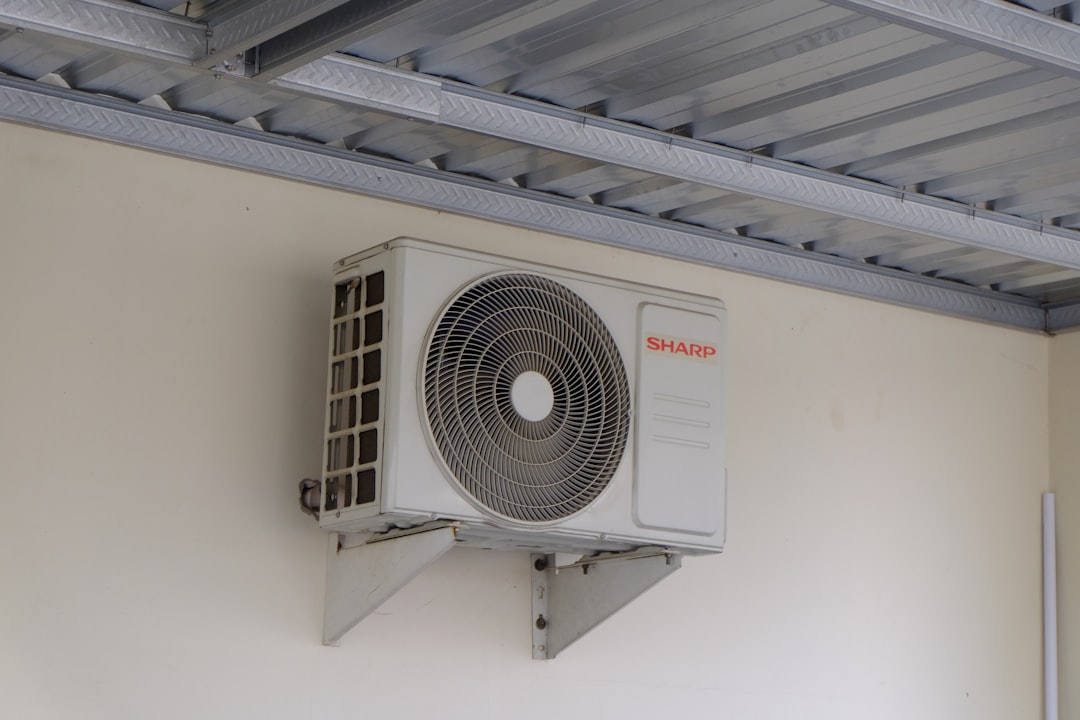
Understanding Energy-Efficient Air Conditioning Systems
Energy-efficient air conditioners differ significantly from traditional units by using advanced technologies and design features to reduce electricity consumption. The benefits of upgrading to an energy-efficient AC in [Location] include:
- Lower monthly energy bills due to reduced power requirements
- Increased home comfort through better temperature and humidity control
- Smaller environmental footprint by curbing greenhouse gas emissions
- Eligibility for rebates and financing programs that reduce upfront costs
With rising energy prices and growing environmental awareness, investing in an efficient cooling system is a smart choice for homeowners seeking long-term savings and sustainable living.
Key Factors in Choosing the Best Energy Efficient AC in [Location]
Selecting the perfect air conditioner involves several important considerations beyond just energy efficiency. These include the local climate, your home’s size and insulation, and your lifestyle. Here are the main factors to evaluate:
SEER Ratings – Measure of Cooling Efficiency
The Seasonal Energy Efficiency Ratio (SEER) rating is an industry-standard metric that indicates how efficiently an AC unit cools over a typical cooling season. Higher SEER ratings mean better efficiency:
- Standard units often have SEER ratings between 13 and 16
- Energy-efficient models typically range from 17 to 25 SEER or above
- In [Location], where temperatures can peak during summer months, a higher SEER rating directly translates to significant energy savings
Choosing an AC with a high SEER rating can reduce electricity consumption by up to 30% compared to older models.
Proper Sizing for Your Home
The air conditioner’s size or cooling capacity must match your home’s cooling load. Oversized units cycle on and off frequently, reducing efficiency and comfort, while undersized units struggle to cool adequately:
- Cooling capacity is measured in BTUs (British Thermal Units)
- Accurate sizing depends on square footage, ceiling height, window orientation, insulation quality, and local climate conditions specific to [Location]
- Getting a professional assessment from a trusted company like Supreme Heating and Cooling ensures your AC is neither too big nor too small
A properly sized AC operates optimally, guaranteeing efficiency and extended equipment life.
Inverter and Variable-Speed Technologies
Modern energy-efficient ACs employ inverter-driven compressors and variable-speed fans that adjust output based on current cooling demands instead of operating at full capacity constantly. These technologies provide several advantages:
- Precise temperature control with minimal fluctuations
- Reduced energy consumption by avoiding hard starts and stops
- Quieter operation enhancing indoor comfort
- Longer equipment lifespan due to less mechanical stress
Homes in [Location] benefit from these features, especially as outdoor temperatures vary, allowing the AC to run efficiently regardless of peak heat or milder days.
Comparing Common Energy-Efficient AC Types
Several types of energy-efficient air conditioners are available, each with distinct advantages depending on your home’s layout, preferences, and budget:
- Central Air Conditioners
Ideal for most larger homes, especially in regions like [Location] with hot summers. Modern central AC units offer high SEER ratings and compatibility with smart thermostats for optimized energy use. - Ductless Mini-Split Systems
Perfect for homes without existing ductwork or for zone cooling specific rooms. These units provide inverter-driven variable-speed operation, delivering efficient performance with minimal installation disruption. - Heat Pumps
Serving as both air conditioners and heaters, heat pumps are especially efficient in moderate climates. For [Location] homes, heat pumps with high SEER ratings provide year-round comfort while reducing reliance on separate heating systems. - Smart AC Systems
Integrating connectivity and advanced controls, smart AC units adapt cooling schedules to occupancy patterns, weather forecasts, and utility rates, maximizing efficiency and convenience.
Expected Operating Cost Savings with Energy-Efficient AC
Investing in an energy-efficient air conditioner is one of the most effective ways to reduce your utility bills. In [Location], where cooling often represents a large portion of household energy use, potential savings include:
- Up to 20-40% reduction in electricity costs compared to conventional units
- Lesser demand on the power grid during peak hours, which may reduce demand charges or qualify for time-of-use rebates
- Lower maintenance expenses due to advanced technology reducing wear and tear
Supreme Heating and Cooling can help you calculate expected savings tailored to your home’s specifics and usage patterns.
Available Rebates and Financing Options in [Location]
Taking advantage of local and federal incentives can significantly reduce the upfront investment for an energy-efficient AC system. Common programs to explore include:
- Utility company rebates rewarding the purchase of high-SEER units
- State energy efficiency programs offering tax credits or cash incentives
- Manufacturer or dealer financing options with low-interest or deferred payment plans
- Combined incentives for smart thermostats paired with new AC installations
Our knowledgeable team at Supreme Heating and Cooling stays up-to-date on the latest programs available in [Location] to guide you through maximizing these offers.
Maintenance and Longevity Tips for Energy-Efficient AC Systems
To sustain efficiency and prolong the lifespan of your new AC unit, regular maintenance is essential:
- Schedule professional inspections and tune-ups at least once a year
- Clean or replace air filters every 1 to 3 months, especially during heavy use
- Ensure outdoor unit clearance for unobstructed airflow
- Monitor refrigerant levels and system pressures for optimal performance
- Use programmable thermostats to minimize unnecessary run time
Following these steps not only preserves energy savings but also maintains indoor air quality and comfort.
By selecting the best energy-efficient air conditioner tailored to your home’s requirements in [Location], you invest in comfort, monthly savings, and environmental responsibility. Supreme Heating and Cooling provides expert advice, thorough assessments, and installation services to ensure your eco-cooling solution delivers optimal performance year-round.
Frequently Asked Questions about Energy-Efficient Air Conditioners
Q: What SEER rating should I look for in [Location]?
A: For [Location] homes, a SEER rating of 16 or higher is generally recommended to balance efficiency with cost, with ultra-efficient units offering ratings up to 22-25.
Q: How do inverter AC compressors save energy?
A: Inverter compressors adjust their speed dynamically, using only the required power to maintain the desired temperature, avoiding energy waste caused by on/off cycles.
Q: Can I install a ductless mini-split in my existing home?
A: Yes, ductless systems require no extensive ductwork, making them an excellent retrofit option or for homes with limited space.
Q: Are there any local rebates for energy-efficient air conditioners in [Location]?
A: Yes, many utility providers and government programs offer rebates; Supreme Heating and Cooling can help you identify and apply for these savings.
Q: How often should I service my energy-efficient AC unit?
A: Annual professional maintenance combined with regular filter checks every 1-3 months is ideal to maintain efficiency and prevent breakdowns.


.svg)
.webp)
.svg)
