.svg)

.webp)
When your heat pump starts blowing chilly air instead of warm, it can create discomfort and raise concerns about your home’s heating system reliability. Especially in regions experiencing cold winters or fluctuating temperatures, a malfunctioning heat pump can leave your household vulnerable to the elements. Understanding why your heat pump is producing cold air, knowing what troubleshooting steps you can take, and when to bring in professional help is essential to maintaining comfort and energy efficiency.
At Supreme Heating and Cooling, we specialize in diagnosing and resolving heat pump issues to restore warmth and dependable performance to your home’s heating system. This guide walks you through the most common causes of insufficient heat from a heat pump, practical troubleshooting tips, professional diagnostic methods, typical repairs, and clear indicators for when to consult a certified technician.
Common Causes of Chilly Air From Your Heat Pump
Heat pumps function by extracting heat from outside air and transferring it indoors. However, several factors can disrupt this process, causing the system to blow cold air:
- Low Outside Temperature Limits: Heat pumps become less effective when outdoor temperatures plunge below certain thresholds, usually around 25 to 35 degrees Fahrenheit. When it’s extremely cold, the heat pump struggles to extract enough heat, resulting in cooler air delivery.
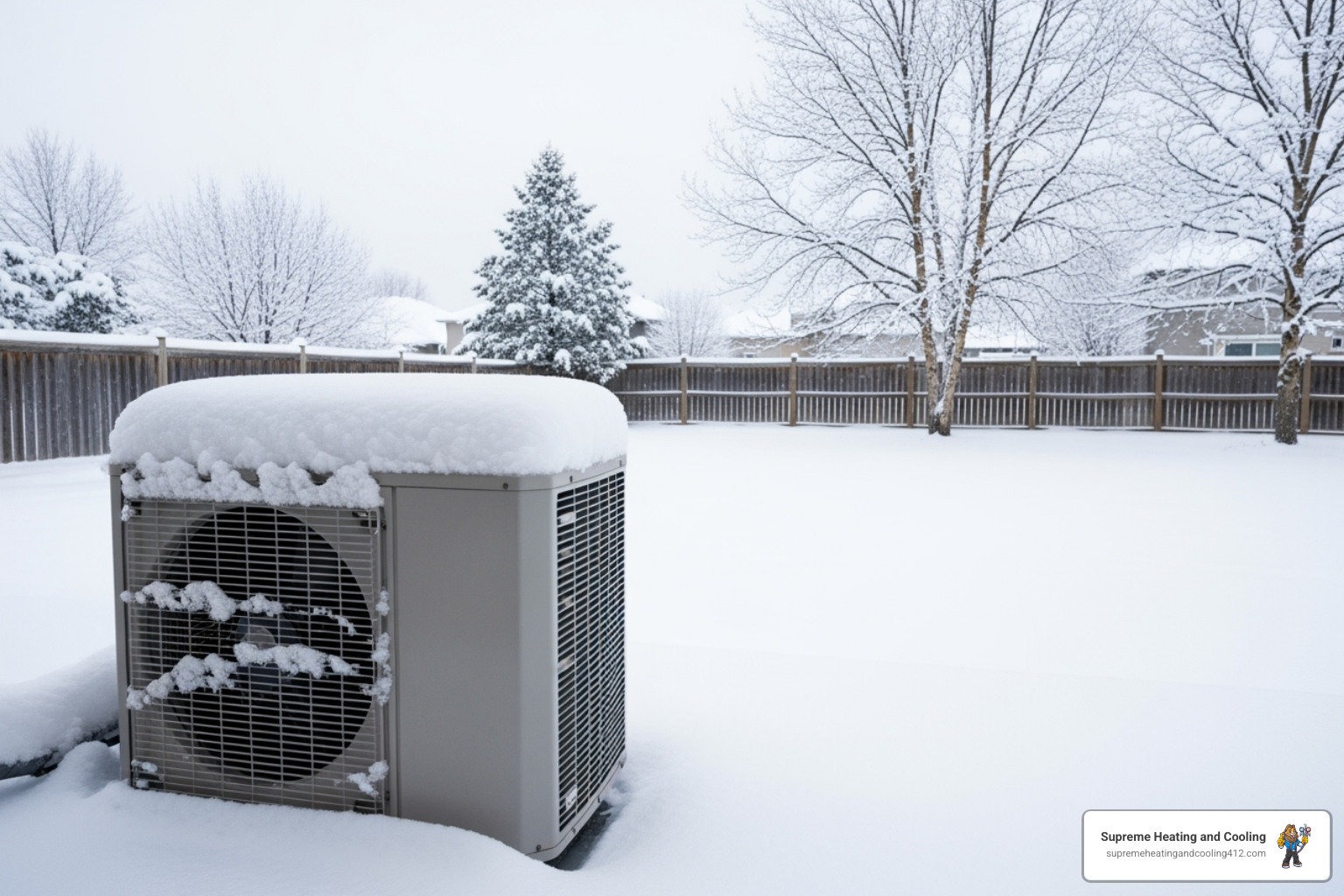
- Frozen or Iced-Over Outdoor Unit: Ice buildup on the outdoor coil restricts airflow and heat transfer capabilities. This often happens in humid or snowy conditions and leads to blowing cold air inside your home.
- Dirty or Clogged Air Filters: Restricted airflow from dirty filters can limit the system’s heating efficiency, making the air feel chilly even though the heat pump is working.
- Faulty Defrost Cycle: Heat pumps have a defrost mode to melt ice buildup on outdoor coils. If this cycle malfunctions, ice persists, cooling the airflow.
- Refrigerant Leak or Low Refrigerant Levels: Insufficient refrigerant reduces heat transfer efficiency, resulting in cooler-than-expected air output.
- Malfunctioning Reversing Valve: The reversing valve switches the heat pump between heating and cooling modes. A stuck or broken valve may cause the system to run in cooling mode inadvertently during winter.
- Thermostat Issues: Incorrect settings, calibration errors, or faulty wiring can prevent the heat pump from operating correctly, causing an unexpected drop in air temperature.
Troubleshooting Steps Homeowners Can Take
Before calling a professional, certain basic diagnostic measures can help confirm if there’s an issue with your heat pump’s heating function:
- Check Thermostat Settings: Ensure the thermostat is set to “Heat” and the temperature is set above the room temperature to prompt heating.
- Inspect and Replace Air Filters: Clear, clean filters enhance airflow and heat exchange. Replace filters if they appear dirty or clogged.
- Examine the Outdoor Unit:
- Look for visible ice or frost on the coils or around the unit.
- Remove debris, leaves, or snow obstructing airflow.
- Reset the System: Sometimes turning off the heat pump fully for 10-15 minutes and then turning it back on resets controls and clears minor faults.
- Check Breakers and Power Supply: Confirm that the electrical breaker panel for the heat pump unit is on and undamaged.
- Listen to Unit Sounds: Unusual noises such as rattling, clicking, or buzzing indicate mechanical or electrical problems.
- Monitor Defrost Cycles: In colder regions, the heat pump should regularly enter a defrost cycle. Lack of observable defrosting suggests a system issue.
Professional Diagnostic Processes for Heat Pump Heating Problems
When simple troubleshooting doesn’t resolve chilly air issues, a certified technician from Supreme Heating and Cooling can perform a detailed diagnosis using specialized tools and knowledge:
- System Pressure and Refrigerant Testing: Checking refrigerant levels and pressure to detect leaks or undercharge conditions.
- Electrical Component Evaluation: Testing capacitors, contactors, relays, and wiring to pinpoint faulty parts.
- Thermostat Calibration and Functionality Assessment: Ensuring the thermostat communicates accurately with the heat pump system.
- Reversing Valve Operation Check: Confirming the valve switches properly between heating and cooling modes.
- Inspecting Defrost Control Board and Sensors: Verifying defrost cycles activate appropriately to prevent ice buildup.
- Evaluating Airflow and Ductwork: Assessing for blockages, leaks, or design issues hindering warm air distribution.
- Compressor and Fan Motor Testing: Making sure essential internal components function at optimal levels.
Typical Repairs and Part Replacements for Heat Pump Heating Issues
After diagnosing the root cause of chilly air from your heat pump, the following repairs or part replacements may be required to restore warm, efficient heating:
- Defrost Control Repairs or Replacement: Fixing malfunctioning defrost sensors or boards to maintain proper ice melting cycles.
- Refrigerant Recharge or Leak Repairs: Sealing leaks and replenishing refrigerant to manufacturer-prescribed levels.
- Thermostat Repair or Upgrade: Replacing outdated or faulty thermostats with modern programmable or smart options.
- Reversing Valve Repair or Replacement: Fixing stuck valves to enable correct heating mode operation.
- Outdoor Coil Cleaning and Maintenance: Removing dirt and ice buildup to improve heat exchange efficiency.
- Fan Motor or Compressor Repair/Replacement: Addressing mechanical failures that directly impact heating capability.
- Duct Sealing and Insulation Improvements: Enhancing airflow consistency and heat retention in ductwork.
- Electrical Repairs: Replacing capacitors, relays, or contactors to ensure system reliability and safety.
When to Call a Certified Technician in Your Area
While some troubleshooting steps can be safely performed by homeowners, recognizing when to seek professional assistance is critical to prevent further damage or costly repairs. Contact Supreme Heating and Cooling if you experience:
- Persistent cold air blowing after changing filters and checking thermostat settings.
- Visible ice buildup on the outdoor unit that worsens or doesn’t clear.
- Heating function fails intermittently or stops completely.
- Signs of refrigerant leaks, such as hissing sounds or noticeable decrease in heat output.
- Electrical problems such as frequent tripping breakers, burning smells, or sparking.
- No heat despite the heat pump running continuously or unusual noises arising from the system.
- Defrost cycle failure impacting system performance in freezing weather.
Certified technicians have the expertise and equipment to safely handle complex repairs, refrigerant handling, electrical diagnostics, and component replacements adhering to local codes and manufacturer standards.
Benefits of Timely Heat Pump Heating Repairs and Maintenance
Addressing chilly air from your heat pump promptly offers several advantages for homeowners, especially considering the local climate’s impact on heating needs:
- Improved Home Comfort: Steady, warm air delivery maintains cozy indoor temperatures and family comfort.
- Enhanced Energy Efficiency: Efficient heat pump operation reduces electricity use and lowers utility bills.
- Longer System Lifespan: Preventive repairs and maintenance minimize wear and avoid premature equipment failure.
- Reduced Risk of Emergency Breakdowns: Regular attention helps catch minor issues before they cause sudden heating loss.
- Environmentally Friendly Operation: Well-functioning heat pumps reduce fossil fuel dependence, supporting cleaner energy use.
- Compliance with Warranty and Manufacturer Requirements: Professional service ensures your system warranty remains valid.
Essential Heat Pump Maintenance Tips for Homeowners
To help avoid chilly air issues and keep your heat pump operating effectively throughout the heating season, consider the following maintenance practices:
- Replace or clean air filters every 1-3 months depending on usage and indoor air quality.
- Keep the outdoor unit free of debris, snow, and ice by clearing the surrounding area regularly.
- Inspect ductwork annually for leaks and seals, especially in older homes.
- Schedule professional heat pump tune-ups annually to assess refrigerant levels, electrical components, and defrost operations.
- Monitor thermostat settings seasonally and consider upgrading to programmable models for precise control.
- Watch for early warning signs like unusual noises or temperature fluctuations and address them without delay.
By understanding the causes of chilly air from your heat pump, conducting basic troubleshooting, recognizing repair needs, and relying on Supreme Heating and Cooling’s certified technicians, your home can enjoy reliable, warm heating even during the coldest months. Proper care and timely professional service ensure your heat pump maximizes comfort, efficiency, and longevity for years to come.


.svg)
.webp)
.svg)
