
.svg)

.webp)
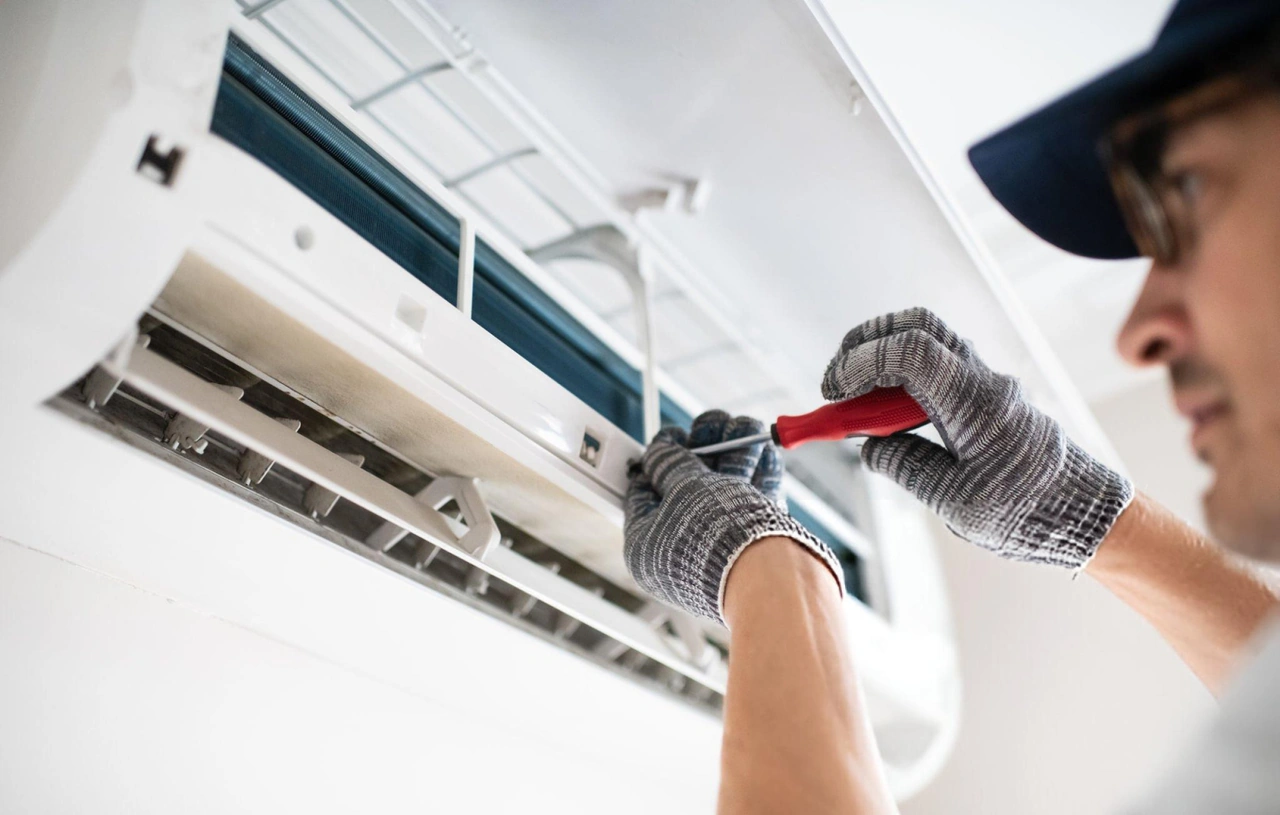
Why So Many Pittsburgh Homes Have Uneven Temperatures — And What Actually Fixes It
How mini splits solve hot and cold spots in drafty homes comes down to one core idea: instead of pushing air through leaky ducts to every room at once, they deliver conditioned air directly where you need it — one zone at a time.
Here's a quick look at how they do it:
- Bypass duct losses — Mini splits deliver air directly into each room, eliminating the 20–40% of conditioned air that leaks out of traditional ductwork before it ever reaches you
- Zone-by-zone control — Each indoor unit has its own settings, so a drafty back bedroom and a sun-soaked living room can be comfortable at the same time
- Inverter technology — Instead of switching fully on and off, mini splits adjust their output continuously, maintaining steady temperatures even in hard-to-heat spaces
- No ductwork required — Installation needs only a small three-inch hole in the wall, making them ideal for older Pittsburgh homes with plaster walls or no existing ducts
- Year-round comfort — Modern mini splits work as heat pumps, providing both efficient cooling in summer and reliable heating in winter
If you've ever walked from a stuffy upstairs bedroom into a cool living room — or shivered through the night in a room that never quite warms up — you already know the frustration. In older Pittsburgh-area homes, especially those built before the 1960s, uneven temperatures aren't just annoying. They're a sign that the home's heating and cooling setup is working against the building itself.
Drafty windows, poorly insulated walls, and ductwork that loses a significant portion of conditioned air before it reaches the far end of the house all work together to create that familiar pattern: one room too hot, another too cold, and a thermostat that can't seem to make everyone happy at once.
The good news is that ductless mini-split systems are specifically built to solve exactly this kind of problem — and they do it without tearing into your walls or overhauling your entire HVAC setup.

How mini splits solve hot and cold spots in drafty homes word list:
- how ductless systems save energy with zone control
- mini split benefits for finished basements and attics
Why Traditional HVAC Struggles with Uneven Temperatures in Drafty Homes
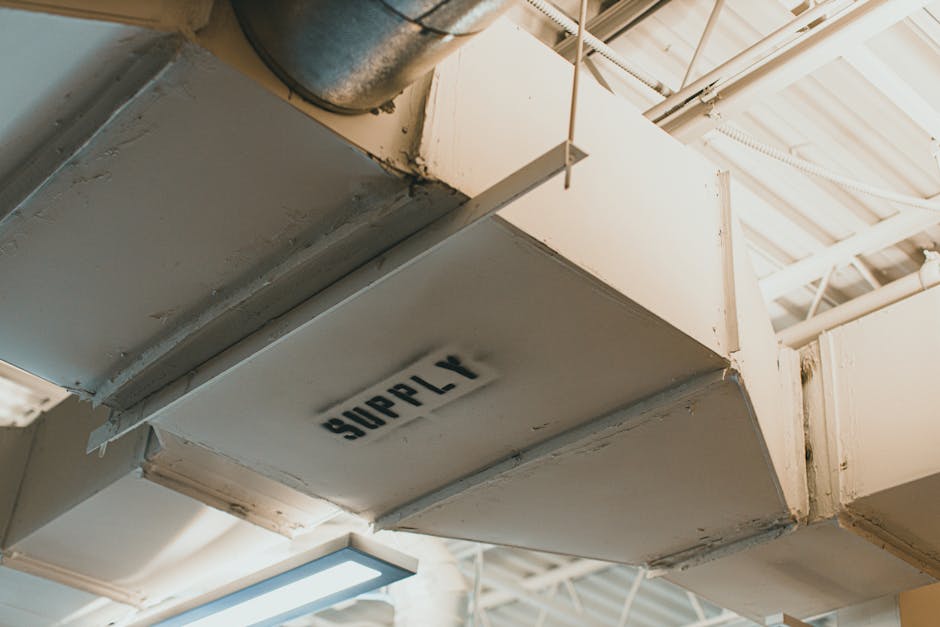
Traditional central HVAC systems were designed with a simple, albeit flawed, assumption: that every room in your home needs the exact same amount of heating or cooling at the exact same time. A single central thermostat is placed in a central hallway, and the system runs until that specific spot reaches the target temperature.
But what if your home is a beautiful historic property in Fox Chapel or a classic brick Tudor in Monroeville? These homes have unique layouts, varying levels of insulation, and drafts that a single thermostat simply cannot account for. If you find yourself constantly adjusting the thermostat only to make one room a freezer and another a sauna, you are dealing with a fundamental limitation of ducted climate control. For a deeper dive into this issue, check out our guide on Solving Uneven Cooling in Homes.
The Impact of Drafts and Poor Insulation on Central Airflow
The thermal envelope of a home refers to the physical barrier that separates the conditioned interior air from the unconditioned outdoor elements. In drafty homes, this thermal envelope is compromised. Air infiltration—where cold winter winds or hot summer humidity find their way inside through gaps in window frames, worn door seals, and thin wall insulation—creates localized temperature drops and spikes.
This constant heat transfer makes it incredibly difficult for a central system to maintain a balanced climate. For example, a south-facing room with large windows will experience significant solar gain in the summer, requiring far more cooling than a north-facing room on the same floor. Because a central system blows the same temperature air everywhere, the room with the solar gain remains uncomfortably warm, while the rest of the house gets chilly.
Why Ducted Systems Lose Up to 40% of Conditioned Air
The infrastructure of a ducted system is often its own worst enemy. According to industry data, traditional ducted systems can lose 20% to 40% of conditioned air through leaks, poor insulation, and unsealed joints before the air ever reaches your living spaces.
In older Pennsylvania homes, ducts are often routed through unconditioned spaces like drafty attics, damp crawlspaces, or cold basements. As the conditioned air travels through these long duct runs, it is subjected to the ambient temperatures surrounding the ductwork. By the time the air pushes through the register in a distant bedroom, it has lost much of its heating or cooling power. To compensate, your furnace or air conditioner has to run longer, increasing static pressure, straining the equipment, and wasting a massive amount of energy.
How Mini Splits Solve Hot and Cold Spots in Drafty Homes
Ductless mini splits offer a modern, highly targeted alternative to the "one-size-fits-all" approach of central heating and cooling. By bypassing ductwork entirely, these systems deliver conditioned air directly into individual rooms. If you want to learn more about how these systems function, read our comprehensive overview of Ductless Mini-Splits in Homes.
Zoned Heating and Cooling for Room-by-Room Control
The secret behind the success of ductless systems is zoning. A mini split consists of an outdoor compressor connected to one or more indoor air handlers via a small conduit line. Because each indoor unit has its own thermostat, you can divide your home into distinct zones and control the temperature of each room independently.
If you have a home office in Plum that gets incredibly warm during the afternoon, you can set its individual air handler to a cooler setting without affecting the temperature in the rest of the house. This prevents the classic "thermostat battle" where family members constantly adjust a single central control to suit their individual preferences. This localized approach is highly efficient; you can read more about How Ductless Systems Save Energy with Zone Control.
How Mini Splits Solve Hot and Cold Spots in Drafty Homes Year-Round
Ductless mini-split systems are not just for summer cooling; they are highly advanced heat pumps that provide year-round comfort. They use a reversing valve to change the flow of refrigerant, allowing them to absorb heat from the outdoor air and pump it indoors during the winter, and reverse the process to cool your home in the summer.
Even during chilly Pennsylvania winters in places like Greensburg or Bethel Park, modern mini splits can extract ambient heat from extreme outdoor temperatures—often down to -13°F or lower. Utilizing inverter-driven variable-speed compressors, these systems function like cruise control for your home's climate. Instead of blasting air at full capacity and then shutting off completely (which causes noticeable temperature swings), a mini split runs continuously at a low, energy-saving speed to maintain a perfectly steady temperature.
Why Ductless Systems Are Ideal for Older and Historic Pennsylvania Homes
Many communities in the greater Pittsburgh area—from Oakmont and Wilkinsburg to Swissvale and New Kensington—are celebrated for their historic architecture. However, retrofitting these beautiful properties with modern central HVAC can be a preservationist's nightmare. Thick plaster walls, solid wood framing, and a lack of closet space make installing bulky metal ductwork practically impossible without destroying the home's original character.
When comparing your options, it is helpful to look at how ductless systems stack up against traditional retrofits. For a deeper comparison, see our article: Is a Mini-Split Better Than Central Air for Older Homes?.
| Feature | Traditional Central HVAC Retrofit | Ductless Mini-Split System |
|---|---|---|
| Installation Invasion | High (Requires cutting walls, ceilings, and floors) | Minimal (Requires only a small 3-inch wall hole) |
| Aesthetic Preservation | Low (Requires drops, bulkheads, or exposed ducts) | High (Sleek wall, floor, or ceiling-recessed units) |
| Duct Energy Loss | 20% to 40% of conditioned air lost through leaks | 0% (Ductless design delivers air directly) |
| Temperature Control | Single thermostat (Creates hot/cold spots) | Zoned control (Independent room-by-room settings) |
| Operating Noise | Moderate to high (50–60 dB indoor unit/duct noise) | Whisper-quiet (As low as 19 dB indoors) |
Preserving Historic Integrity with Minimal Invasion
Ductless mini splits are the perfect solution for preserving the architectural integrity of historic Pennsylvania homes. Installing a mini split does not require tearing down plaster walls or building unsightly drywall bulkheads to hide ductwork.
Instead, the indoor air handler connects to the outdoor condenser via a flexible conduit containing a power cable, refrigerant lines, and a condensate drain. This conduit is routed through a single, inconspicuous three-inch hole drilled through an exterior wall. Homeowners also have incredible aesthetic flexibility. While wall-mounted units are the most common, you can also opt for floor-mounted consoles (which look similar to traditional radiators) or ceiling cassettes that sit flush with the ceiling, keeping the visual impact to an absolute minimum.
Overcoming the Lack of Existing Ductwork
Many older homes in areas like Glenshaw or Verona rely on radiator heating or boiler systems. While boiler systems provide excellent, cozy radiant heat in the winter, they leave homeowners without a way to cool their homes in the summer. In the past, the only option was to install noisy, inefficient window air conditioners that block natural light and present security risks.
A multi-zone mini split can be installed alongside your existing boiler system to provide efficient, whisper-quiet cooling during hot Pennsylvania summers. Additionally, if you are planning a home addition, a finished basement, or a bonus room over the garage in Penn Hills, a single-zone mini split can heat and cool that new space perfectly without overworking your existing central system or requiring a costly ductwork extension.
Maximizing Energy Efficiency and Indoor Air Quality
Beyond solving the immediate problem of temperature imbalances, upgrading to a ductless system provides two major secondary benefits: lower monthly utility bills and significantly cleaner indoor air.
How Mini Splits Solve Hot and Cold Spots in Drafty Homes While Lowering Energy Bills
Because mini splits deliver conditioned air directly into your living spaces, they eliminate the substantial energy waste associated with duct leakage. This direct delivery, combined with advanced inverter technology, allows mini splits to operate up to 30% to 50% more efficiently than conventional ducted systems or window units.
Furthermore, zoning allows you to practice "smart conservation." If you spend your evenings in the living room and your nights in the bedroom, there is no reason to pay to heat or cool empty guest rooms, dining areas, or a basement in Upper Saint Clair. By setting unused zones to eco-mode, you drastically reduce your home's overall energy consumption, leading to immediate savings on your monthly utility bills.
Eliminating Dust and Allergens Without Shared Ducts
In a traditional ducted system, the ductwork acts as a highway for dust, pet dander, pollen, and mold spores. When the fan turns on, these contaminants are pulled from one room and recirculated throughout the entire house. Over time, dust accumulates inside the ducts, feeding dust mites and worsening allergy symptoms.
Ductless mini splits are closed-loop systems that recirculate air locally within each specific room. Because there are no shared ducts, allergens are not transferred from room to room. Each indoor unit is equipped with its own multi-stage filtration system that actively scrubs the air, trapping fine particles, dust, and common allergens. Additionally, because mini splits run continuously at lower speeds, they provide superior, steady dehumidification in the summer, helping to prevent mold growth in damp basements or humid rooms.
Key Installation and Maintenance Considerations for Homeowners
To ensure your mini-split system performs optimally in a drafty home, proper planning and professional installation are essential. Working with an experienced local HVAC team makes all the difference in achieving long-term comfort.
Professional Sizing and Strategic Placement
Sizing a mini split is not as simple as matching square footage to a chart. In drafty or poorly insulated homes, an accurate heat load calculation (known as a Manual J calculation) must be performed. This calculation takes into account your home's building materials, window sizes, insulation quality, local climate, and air infiltration rates to determine the exact BTU capacity required for each room.
If a unit is undersized, it will struggle to keep up on extremely cold winter days or hot summer afternoons. If it is oversized, it will cool the room too quickly without properly dehumidifying, leading to a clammy, uncomfortable environment and a process called "short-cycling," which places unnecessary wear on the compressor. Strategic placement of the indoor unit is also vital to ensure proper airflow distribution and to keep the unit's thermostat from being fooled by direct sunlight or drafts from nearby doors.
Simple Maintenance Steps for Long-Term Performance
Ductless mini splits are highly durable systems with an expected lifespan of 15 to 20 years when properly maintained. Fortunately, the routine maintenance required to keep them running efficiently is incredibly simple:
- Clean the filters monthly — Simply pop open the front panel of the indoor unit, slide out the reusable filters, rinse them under warm water, let them dry completely, and slide them back in.
- Keep the outdoor unit clear — Ensure that weeds, leaves, and snow do not accumulate around the outdoor condenser. Maintain at least two feet of clear space around the unit to ensure unrestricted airflow.
- Schedule annual professional service — Once a year, have a professional technician inspect the electrical connections, check refrigerant levels, clean the coils, and ensure the condensate drain lines are clear.
Frequently Asked Questions About Fixing Uneven Home Temperatures
Why is one room in my house always colder or hotter than the rest?
Temperature imbalances are usually caused by a combination of factors, including uneven solar gain (rooms with large, south-facing windows), poor wall or attic insulation, drafty windows, and long or leaky duct runs. Rooms that are furthest from your central HVAC unit naturally receive weaker airflow, making them much harder to keep comfortable.
Can a mini split work alongside my existing central heating and cooling system?
Absolutely. Many homeowners in areas like Aspinwall, Turtle Creek, and Edgewood choose to keep their existing central furnace or boiler system for whole-home heating and install mini splits to supplement specific problem areas. This "hybrid" approach is incredibly popular for hard-to-cool spaces like finished third-floor attics, home offices, or master bedrooms.
How long does it take to install a ductless mini split system?
For a straightforward, single-zone installation, the process is incredibly quick and can usually be completed in just four to six hours. Multi-zone systems with several indoor units take slightly longer, but the entire installation is still far less invasive and disruptive than retrofitting a home with new sheet-metal ductwork.
Conclusion
Living with persistent hot and cold spots can make your home feel less welcoming, but you do not have to settle for uneven comfort or sky-high energy bills. Ductless mini-split systems provide a targeted, elegant, and highly efficient solution that works in harmony with your home's unique layout.
At Supreme Heating and Cooling, we specialize in helping homeowners throughout Glenshaw, Plum, Oakmont, New Kensington, Forest Hills, Wilkinsburg, Swissvale, Aspinwall, Turtle Creek, Edgewood, Pitcairn, Verona, Cheswick, Pittsburgh, Upper Saint Clair, Greensburg, Monroeville, Murrysville, Fox Chapel, Bethel Park, and Penn Hills find the perfect heating and cooling balance. Our friendly, knowledgeable, and non-pushy team is dedicated to providing trustworthy service and competitive pricing to keep your family comfortable all year long.
Ready to say goodbye to drafty rooms and uneven temperatures? Explore our Ductless Mini-Split Services and contact us today to schedule your personalized comfort consultation!


.svg)
.webp)
.svg)
