.svg)

.webp)
Why Understanding How Spring Maintenance Extends Your AC Lifespan Could Save You Thousands
How spring maintenance extends your AC lifespan comes down to one straightforward idea: a system that starts summer clean, lubricated, and fully inspected runs under far less stress — and less stress means more years of reliable cooling.
Here's the quick answer if you're short on time:
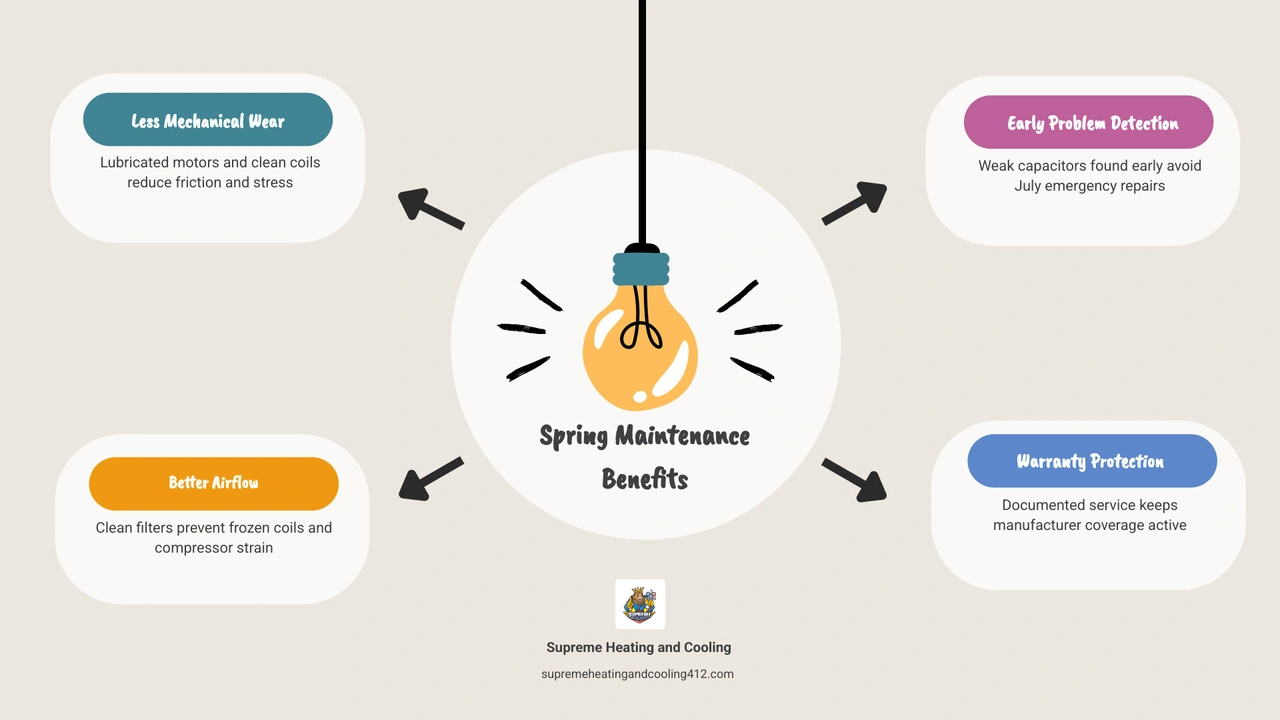
Spring maintenance extends your AC lifespan by:
- Reducing mechanical wear — lubricated motors and clean coils don't have to work as hard
- Improving airflow — clean filters and coils prevent the strain that leads to frozen evaporator coils and compressor damage
- Catching small problems early — a weak capacitor caught in April costs a fraction of an emergency repair in July
- Maintaining efficiency — a well-maintained system can use up to 15% less energy, meaning shorter run cycles and less component wear
- Protecting your warranty — most manufacturers require documented annual professional service to honor coverage
The numbers back this up. Neglected AC units that should last 15 to 20 years can fail in as little as 7 to 10 years. Regular spring maintenance can add 5 to 10 years to your system's life — sometimes pushing it well past the 20-year mark.
For Pittsburgh-area homeowners, this matters even more. Pennsylvania's humid summers, unpredictable spring temperature swings, and dusty off-seasons put real strain on cooling systems before the heat even arrives. Getting ahead of that strain in spring is the single most effective thing you can do to protect your investment.
In this guide, Supreme Heating and Cooling walks you through exactly what spring maintenance involves, why it works, and what you can do right now to make sure your AC is ready when summer hits.
How Spring Maintenance Extends Your AC Lifespan: The Core Mechanics
To understand how spring maintenance extends your AC lifespan, we have to look at the physics of how your air conditioner works. Your AC doesn't actually "create" cold air; instead, it removes heat from inside your home and dumps it outside. This heat-exchange process relies on two main factors: efficient heat transfer across the coils and the mechanical work of the compressor.
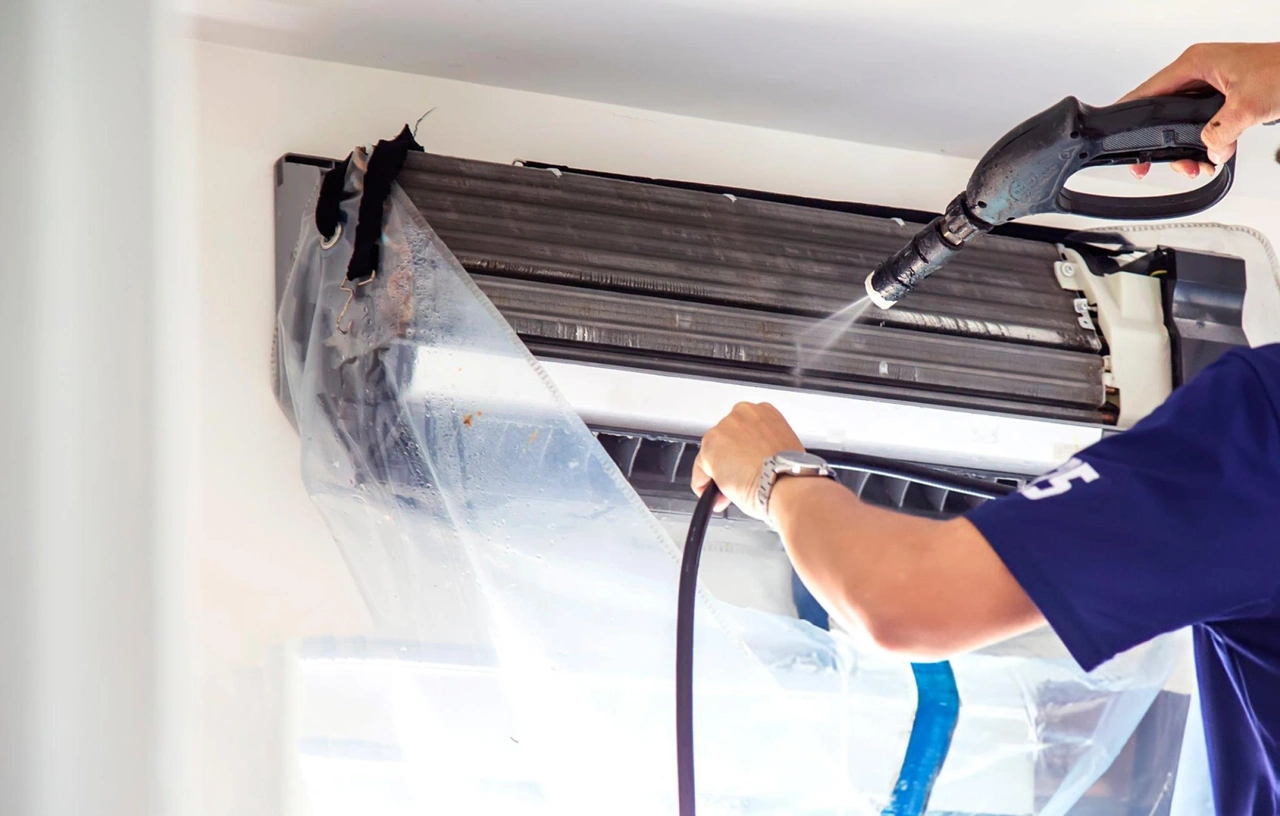
When your system sits idle all winter, it collects dust, pollen, and outdoor debris. If you switch the system on in the summer without a thorough cleaning, this buildup acts like an insulating blanket over your condenser and evaporator coils.
In engineering terms, dirty coils increase what is known as "compressor lift." This means the compressor has to work significantly harder and run much longer cycles to pump the same amount of heat out of your home. Because the compressor is the most expensive and critical component in your entire system, keeping it running under low-stress conditions is the single best way to ensure your system reaches its full potential lifespan.
By scheduling a tune-up before the summer heat hits, you restore your system's design-level heat transfer efficiency. To explore the full spectrum of advantages that come with keeping these components clean, read more about the Benefits of Regular AC Servicing.
How Spring Maintenance Extends Your AC Lifespan by Reducing Friction
Friction is the ultimate enemy of any mechanical system. Your air conditioner has several rapidly spinning parts, most notably the blower motor inside your home and the condenser fan motor outside.
During a standard off-season, the factory-applied lubricants inside these motors can break down, settle, or collect airborne grit. When the system starts up in the heat of summer, unlubricated bearings create intense mechanical friction. This friction does two things:
- It increases the electrical current (amperage) the motor draws, raising your energy bills.
- It generates excess heat, which degrades the motor's internal copper windings and leads to premature motor burnout.
Additionally, your system's electrical cabinet contains contactors—essentially heavy-duty switches that tell your compressor and fan when to turn on. Over time, the electrical current jumping across these contacts causes "pitting" (tiny craters and burn marks on the metal surfaces). Pitted contactors can weld themselves shut, forcing your compressor to run non-stop until it overheats and fails.
By cleaning, testing, and lubricating these moving parts in the spring, we eliminate the physical friction and electrical wear that cut an AC’s life short. To learn more about how proactive mechanical care keeps your system running smoothly, check out our guide on Preventative AC Maintenance.
How Spring Maintenance Extends Your AC Lifespan Through Airflow Optimization
Airflow is the lifeblood of your air conditioning system. Your AC is designed to move a very specific volume of air across the indoor evaporator coil. If that airflow is restricted, the delicate balance of pressure and temperature within the refrigerant loop is thrown completely out of whack.
When airflow is choked—usually by a clogged air filter or dirty blower wheel—the static pressure inside your ductwork climbs. Your blower motor has to work twice as hard to push air through the restricted channels, leading to rapid motor fatigue.
Worse yet, without enough warm indoor air blowing over the cold evaporator coil, the refrigerant inside the coil drops below freezing. Moisture from your indoor air condenses on the coil and quickly turns to ice. A frozen evaporator coil can cause liquid refrigerant to travel back down the copper lines into the outdoor compressor. Since compressors are designed to compress gas, not liquid, this phenomenon (known as "liquid slugging") will instantly destroy your compressor.
Optimizing your airflow in the spring prevents this destructive chain reaction. For a detailed breakdown of how simple airflow management protects your equipment, read our Role of Air Filters in AC Maintenance Cleaning and Replacement Guide.
Essential Spring AC Maintenance Tasks for Homeowners
While complex electrical and refrigeration work must always be handled by licensed professionals, there are several highly effective tasks homeowners can complete in the spring to keep their systems in top shape.
- Clear the Outdoor Condenser Area: Over the autumn and winter, fallen leaves, twigs, and windblown trash can accumulate around your outdoor unit. Maintain at least a two-foot clear boundary around the entire condenser. This ensures your system can pull in enough outdoor air to reject heat efficiently.
- Inspect and Replace the Air Filter: Swap out your air filter before you turn the AC on for the season. During heavy-use summer months, check this filter every 30 to 60 days, especially if you have pets or live in a dusty area.
- Clean Indoor Vents and Registers: Walk through your home and verify that no supply vents or return grilles are blocked by furniture, curtains, or rugs. Blocked vents raise duct pressure and strain your system.
- Test the Thermostat: Switch your system to cooling mode on a mild spring day to ensure it starts up promptly and shuts off once the target temperature is reached.
Taking these simple steps prevents some of the most common system failures. To make sure you aren't accidentally harming your system during your weekend chores, take a look at The Top AC Maintenance Mistakes to Avoid Tips from Industry Experts.
Here is a quick reference table to help you split your spring maintenance checklist between DIY tasks and professional requirements:
| Maintenance Task | DIY (Homeowner) | Professional Technician | Why It Matters |
|---|---|---|---|
| Filter Replacement | Yes | Yes | Restores proper airflow and protects the blower motor. |
| Debris Clearance (2 ft. radius) | Yes | Yes | Ensures the outdoor unit can reject heat efficiently. |
| Flushing Condensate Drain | Yes (Vinegar) | Yes (Deep Clean) | Prevents water damage and musty indoor odors. |
| Refrigerant Charge Check | No | Yes | Prevents compressor damage and low-efficiency cycles. |
| Electrical Capacitor Testing | No | Yes | Catches weak parts before they cause mid-summer breakdowns. |
| Coil Chemical Cleaning | No | Yes | Maximizes heat transfer and lowers energy consumption. |
The Value of a Professional Spring Tune-Up
While DIY care is incredibly valuable, a professional spring tune-up goes deep into the areas of your system that require specialized diagnostic tools and training. When a professional technician services your system, they analyze performance metrics that are invisible to the naked eye.
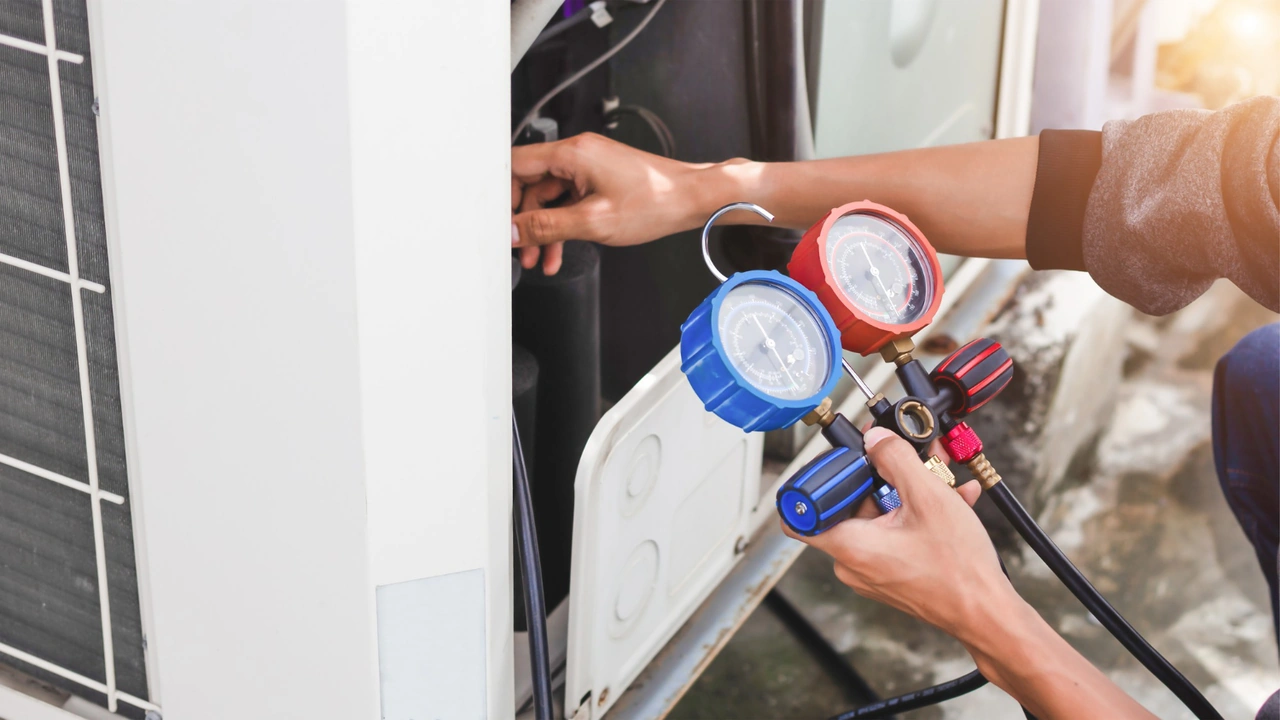
First, they check your refrigerant levels. Refrigerant does not get "used up" like fuel; it circulates in a closed loop. If your system is low on refrigerant, it means there is a leak. Running an AC with low refrigerant starves the compressor of the cooling oil it needs, causing it to overheat and burn out.
Second, technicians perform capacitor testing. Capacitors act like temporary batteries that give your motors the high-voltage boost they need to start up. These components naturally degrade over time. A professional can measure a capacitor’s microfarads and replace a failing one before it dies completely on a humid July afternoon.
Finally, they measure the temperature split (or Delta T). This is the difference in temperature between the air entering your return vents and the air blowing out of your supply registers. A healthy system should show a split of 16°F to 22°F. If your split is outside this window, it points to deeper issues like duct leaks, coil blockages, or compressor inefficiency.
Investing in these professional diagnostic steps is key to keeping your cooling system reliable. Learn more about what goes into a comprehensive visit by reading about Expert Regular AC Maintenance.
Protecting Older Systems and Manufacturer Warranties
If your air conditioner is more than a decade old, spring maintenance isn't just helpful—it's essential for survival. Older units naturally have more wear and tear on their motors and compressor valves. Keeping these older systems clean and perfectly calibrated allows them to run shorter, more efficient cycles, saving them from the scrap heap. To understand how seasonal service breathes new life into aging systems, read about How Air Conditioning Maintenance Keeps Older Units in Top Condition.
Furthermore, regular professional maintenance is often a legal requirement to protect your investment. Almost all major HVAC manufacturers (including Carrier, Lennox, and Trane) state in their warranty terms that the parts warranty is only valid if the homeowner can provide documented proof of annual professional maintenance. If your compressor fails in year eight of a ten-year warranty, but you have skipped your annual professional service, the manufacturer may deny your claim, leaving you with a massive repair bill.
Identifying Hidden Issues Early to Prevent Summer Breakdowns
The first true hot day of summer is always the busiest day of the year for HVAC repair companies. That's because dormant systems are suddenly pushed to their absolute limits, causing weak parts to fail instantly.
A professional spring tune-up is designed to catch these issues while the weather is still mild. Technicians routinely identify:
- Clogged Condensate Drains: Algae and sludge can build up in your drain line over the winter, leading to water backups that can ruin your ceilings or flood your basement.
- Weak Capacitors: Replacing a failing capacitor proactively prevents motor damage.
- Pitted Contactors: Swapping out a worn contactor before it welds shut protects your highly expensive compressor from continuous operation.
Catching these hidden issues early ensures your home stays consistently comfortable all summer long. For more insights on why proactive inspections are so critical, read The Importance of Air Conditioner Maintenance What You Need to Know.
How Pennsylvania's Climate Impacts Your Cooling System
Here in Western Pennsylvania—from the hills of Greensburg and Murrysville to the suburban neighborhoods of Bethel Park, Fox Chapel, and Monroeville—our local climate presents unique challenges for residential cooling systems.
Unlike states with mild, dry weather, Pennsylvania experiences high summer humidity coupled with sharp seasonal temperature swings. In the spring, we might see a chilly 45°F morning followed by an 80°F afternoon. These rapid outdoor temperature changes can cause your system to "short-cycle" (turning on and off rapidly). Short-cycling puts immense stress on your compressor and electrical contactors, accelerating wear and tear.
Additionally, our humid summers mean your AC has to work extra hard to dehumidify your indoor air. This heavy moisture removal places a high load on your condensate drain system. Without a proper spring flush, the combination of high humidity and winter dust can quickly lead to mold growth inside your drain pan.
If your home utilizes a heat pump for year-round comfort, these seasonal demands are doubled. Learn more about managing these versatile systems by reading How Proper Maintenance Extends Heat Pump Lifespan.
Local homes in areas like Plum also face specific environmental factors, such as airborne pollen and cottonwood seeds that clog outdoor coils in late spring. For localized tips on keeping your system running beautifully in our unique climate, check out AC Maintenance Plum PA Homes.
Finally, because we spend so much time indoors during humid weather, a clean, well-maintained system is vital for keeping your family healthy. Discover the connection between your HVAC system and your health in our article on How AC Maintenance Impacts Indoor Air Quality and Health.
Frequently Asked Questions About AC Lifespan and Maintenance
We hear many of the same questions from homeowners across the Pittsburgh region. Here are the clear, straightforward answers you need to make the best decisions for your home.
By how many years can spring maintenance extend my AC life?
On average, regular spring maintenance can extend your system's lifespan by 5 to 10 years.
A neglected air conditioning system that is forced to run with dirty coils, low refrigerant, and restricted airflow will typically fail within 7 to 10 years. In contrast, a system that receives consistent, high-quality spring tune-ups can easily reach 15 to 20 years of reliable service, and in some cases, even longer. This longevity directly translates to thousands of dollars saved in premature replacement costs.
What are the consequences of skipping spring AC maintenance?
Skipping your annual spring service triggers a downward spiral of system performance and reliability:
- 95% Higher Risk of Breakdowns: Most emergency repairs happen during peak summer heatwaves because minor, unnoticed spring issues turn into major component failures.
- Up to 30% Efficiency Loss: Clogged coils and dirty filters force your system to run longer, raising your monthly utility bills.
- Premature Compressor Failure: Running your system under constant strain eventually overheats and destroys the compressor, which often requires a complete system replacement.
When is the ideal time to schedule a spring tune-up?
The ideal window to schedule your professional tune-up is April and May.
Scheduling during these spring months ensures your system is fully prepared before the first major heatwave of summer arrives. Additionally, because HVAC companies are not yet swamped with emergency cooling calls, you'll have an easier time securing a convenient appointment slot that fits your schedule.
Conclusion
At the end of the day, your air conditioner is a major investment in your family's comfort, health, and peace of mind. Taking care of it in the spring is the simplest and most cost-effective way to ensure it keeps you cool for decades to come.
As your local Pittsburgh HVAC experts, Supreme Heating and Cooling is proud to serve homeowners across Glenshaw, Oakmont, New Kensington, Forest Hills, Wilkinsburg, Swissvale, Aspinwall, Turtle Creek, Edgewood, Pitcairn, Verona, Cheswick, Upper Saint Clair, Penn Hills, and beyond. Our friendly, trustworthy, and non-pushy team is always here to make sure your system is ready for whatever summer throws our way.
Ready to secure your peace of mind for the hot months ahead? Contact us today to schedule your professional spring tune-up, and explore our full range of Air Conditioning Services to keep your home perfectly comfortable all year long!


.svg)
.webp)
.svg)
