.svg)

.webp)
Why Humid Summer Heat Makes Your AC Bills Skyrocket in Pittsburgh
If you're trying to figure out how to lower AC bills during humid summer heat, you're not alone — and the good news is that a few focused changes can make a real difference on your next electric bill.
Here's a quick summary of the most effective ways to cut cooling costs when humidity is high:
- Set your thermostat to 78°F when you're home — each degree lower adds roughly 3% to your cooling costs
- Use ceiling fans to feel up to 4°F cooler without touching the thermostat
- Close blinds on south- and west-facing windows to cut heat gain by up to 45%
- Change your AC filter every 30 days during peak summer — a clean filter can lower cooling bills by up to 15%
- Seal air leaks around doors and windows to stop warm, humid air from sneaking in
- Use a dehumidifier to take moisture load off your AC system
- Upgrade to a smart thermostat to automate temperature setbacks and save up to 15% on cooling
- Shift heat-generating tasks like laundry and cooking to early morning or late evening
- Schedule a professional AC tune-up to keep your system running at peak efficiency
- Check your utility for rebate programs that reward energy-saving upgrades
Now, here's why this matters so much in the Pittsburgh area.
Humid summer days hit differently when your air conditioner is fighting both the heat and the moisture in the air. Unlike dry climates where your AC mainly cools the air, humid conditions force your system to first pull moisture out before it can bring temperatures down. That extra work drives up runtime — and your electric bill along with it.
According to the U.S. Department of Energy, air conditioners account for at least 6% of all electricity used in the United States, costing homeowners a combined $29 billion every year. In a humid region, that number climbs even higher because your system simply works harder for longer stretches.
The sections below break down exactly what's driving those costs — and what you can do about each one.

Why High Humidity Drives Up Your Summer Cooling Costs
To understand how to keep your bills in check, we first have to look at the hidden opponent in your home: humidity.
When we talk about summer heat, we are dealing with two distinct types of heat load: sensible heat (the actual temperature you can read on a thermometer) and latent heat (the moisture suspended in the air). When the air is thick with humidity, your air conditioner cannot simply focus on lowering the temperature. It has to dedicate a massive amount of energy to condensing the water vapor in your indoor air into liquid water, pulling it out of circulation, and draining it away.
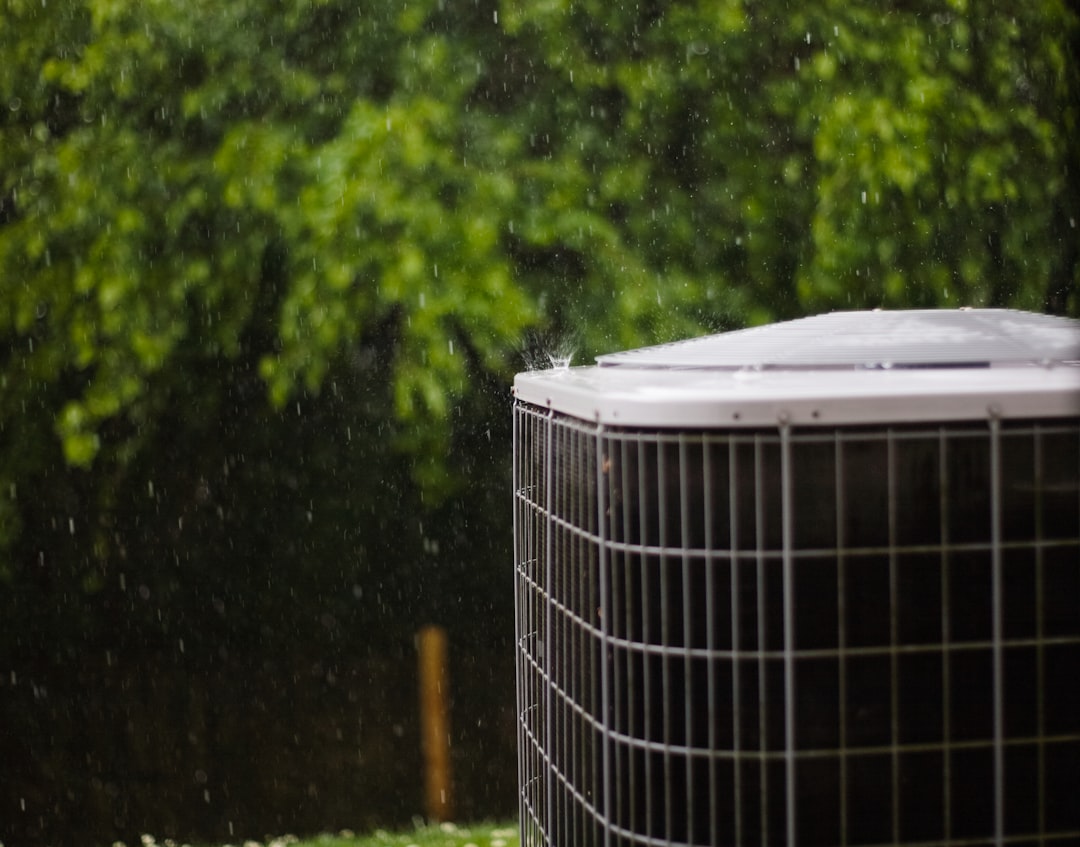
This moisture removal process happens right at your indoor evaporator coil. As warm, humid air is pulled across this cold metal coil, the moisture condenses on it—much like water droplets forming on a cold glass of iced tea on a July afternoon. This water drips down into a drain pan and flows outside through your condensate drain line.

During a typical humid summer week in southwestern Pennsylvania, a residential central AC system can pull anywhere from 5 to 20 gallons of water out of your indoor air every single day! If your system is dirty or poorly maintained, this process becomes incredibly inefficient.
When dust and grime build up on your coils, they act as an insulating blanket. This forces the system to run much longer cycles to achieve the same amount of dehumidification and cooling. To dive deeper into how minor maintenance issues compound into massive utility expenses, read about The Impact of Neglected AC Maintenance on Energy Bills.
How to Lower AC Bills During Humid Summer Heat with Smart Thermostat Strategies
Many homeowners make the mistake of treating their thermostat like a gas pedal—cranking it down to 65°F on a sticky 90°F afternoon in the hopes that the house will cool down faster. In reality, your air conditioner blows air at the exact same temperature regardless of how low you set the dial. Lowering it excessively only guarantees that your compressor will run continuously for hours, driving up your power bills and putting immense strain on your equipment.
In the HVAC industry, we live by the 20-degree rule. Under normal operating conditions, a standard residential air conditioning system is only designed to cool your indoor air by about 20 degrees lower than the outdoor temperature. If it is 98°F outside in Monroeville or Bethel Park, expecting your home to reach a crisp 68°F is simply asking your system to do the impossible. It will run endlessly, overheat, and potentially break down when you need it most.
Finding the Sweet Spot: Thermostat Settings for Humid Weather
The U.S. Department of Energy recommends setting your thermostat to 78°F when you are home and awake during the summer. While this might sound a bit warm to some, it represents the ideal financial sweet spot.
Why? Because the smaller the difference between the indoor and outdoor temperatures, the slower heat will seep into your home, and the less work your AC has to do.
Consider these powerful statistics:
- Each degree you set your thermostat above 75°F can save you between 10% and 15% on the energy used for cooling.
- You can save roughly 3% on your cooling costs for every degree you set the thermostat above 80°F.
- Adjusting your thermostat by 7° to 10°F from its normal setting for just 8 hours a day (for example, when you are at work) can save you about 10% a year on your overall heating and cooling bills.
In humid weather, keeping the thermostat at 78°F rather than 72°F allows the system to run steady, efficient cycles that focus on steady dehumidification without driving your electricity meter into overdrive.
Why You Should Use a Smart Thermostat to Manage Humidity
If you are still using an old dial or basic programmable thermostat, you are leaving money on the table. Upgrading to a smart thermostat can reduce your AC bill by 15% on average, which translates to direct, noticeable savings every single month.
Modern smart thermostats are incredibly beneficial in humid climates because they do more than monitor temperature—they monitor relative humidity. Many smart models can be configured to prioritize dehumidification. If the indoor air feels sticky, the thermostat can run the AC on a low fan speed specifically to pull moisture out of the air, even if the temperature target has already been met.
Furthermore, they eliminate human error. If you head out for a day at Kennywood or a weekend trip, you won't have to worry about whether you forgot to turn down the AC. You can manage your settings directly from your smartphone or let the thermostat's motion sensors handle it automatically.
Practical Home Adjustments to Reduce Heat and Humidity Load
While your HVAC system does the heavy lifting, your home's structural environment plays a massive role in how hard that system has to work. By making a few simple, low-cost physical adjustments to your living space, you can block outdoor heat and moisture from entering your home in the first place.
Using Fans and Dehumidifiers to Support Your AC
One of the easiest ways to tolerate a higher thermostat setting like 78°F is to utilize the power of ceiling fans. However, you must remember the golden rule of fans: fans cool people, not rooms.
Fans create a "wind chill effect" by evaporating moisture off your skin, which can make a room feel up to 4 degrees cooler than it actually is. Because a ceiling fan runs on a fraction of the energy of an air conditioner, you can comfortably raise your thermostat setting without feeling any warmer. Just make sure your ceiling fans are rotating counterclockwise during the summer to push a cool breeze straight down, and always turn them off when you leave the room.
To tackle extreme humidity directly, consider using a standalone or whole-house dehumidifier. By pulling moisture out of the air independently, a dehumidifier allows you to feel perfectly comfortable at 77°F or 78°F because the air is dry. This takes a massive amount of "latent load" off your air conditioner, allowing it to run shorter, more efficient cycles.
Sealing Air Leaks and Upgrading Window Treatments
If your home has drafty windows, worn-out door seals, or unsealed utility penetrations, you are constantly trading your expensive, dry indoor air for hot, humid outdoor air. This forces your AC to work double-time.
Taking an afternoon to apply fresh caulk around window frames and install new weatherstripping on exterior doors can reduce your overall cooling costs by up to 20%.
Additionally, pay close attention to your windows. Radiant heat from direct sunlight pouring through glass can rapidly turn your home into a greenhouse. By closing your blinds, shades, or drapes—especially on south- and west-facing windows during the heat of the afternoon—you can block this thermal transfer. In fact, fully closed blinds can cut heat gain by up to 45%, keeping your home naturally cooler and giving your AC a much-needed break.
Essential HVAC Maintenance to Maximize Efficiency in Humid Weather
When high humidity forces your air conditioner to run for long stretches, any underlying mechanical issues will quickly drag down its efficiency. Regular maintenance is not just about preventing sudden breakdowns; it is a direct investment in lowering your monthly power bills. To understand the full scope of these financial benefits, check out the Benefits of Regular AC Servicing.
If you live in Glenshaw, Plum, Oakmont, or anywhere else in the greater Pittsburgh area, keeping your system in peak shape is key to surviving our muggy summers. To get started on the right foot, refer to our comprehensive AC Tune-Up Guide for Pittsburgh Area Homeowners.
How to Lower AC Bills During Humid Summer Heat with Clean Filters
The single most important DIY maintenance task you can perform is changing your air filter regularly. During the peak of summer, we recommend checking your filter every 30 days.
When a filter becomes clogged with dust, pet dander, and pollen, it severely restricts airflow. This restricted airflow prevents your evaporator coil from absorbing heat and moisture efficiently, which can cause the coil to freeze over and stop cooling altogether.
- The Savings: A clean, high-quality air filter can improve system airflow and lower your cooling bills by up to 15%.
- The Health Benefit: Clean filters prevent dust from settling on your damp AC coils, which stops mold and bacteria from growing and circulating through your home. For more on this, read about How AC Maintenance Impacts Indoor Air Quality and Health.
The Role of Professional Tune-Ups and Duct Sealing
While changing your filter is an excellent DIY step, there are critical components of your system that require professional attention. Over the course of a humid summer, your AC’s outdoor condenser coils can become clogged with grass clippings, dirt, and cottonwood seeds, preventing the system from releasing heat outside.
During a professional tune-up, a technician will thoroughly clean these coils, check refrigerant levels, and inspect the condensate drain line to prevent water damage and algae clogs. Investing in Preventative AC Maintenance ensures that every dollar you spend on electricity is converted into actual cooling power.
Furthermore, do not overlook your ductwork. Leaky air ducts in your attic or basement can create pressure imbalances that actively suck hot, humid air from the crawlspaces directly into your living areas. Sealing these duct leaks ensures that your conditioned air actually reaches your rooms, maximizing both comfort and efficiency.
Frequently Asked Questions About Lowering Summer AC Bills
What is the best thermostat setting for a humid summer?
For most homes, the ideal thermostat setting to balance comfort and savings in humid weather is 78°F when you are home. At this temperature, your AC runs cycles that are long enough to effectively extract moisture from the air without consuming excessive electricity. If 78°F feels slightly too warm, running a ceiling fan alongside this setting will make the air feel like a comfortable 74°F.
How to lower ac bills during humid summer heat without losing comfort?
You can easily cut your bills without breaking a sweat by combining a higher thermostat setting (77°F–78°F) with strategic home adjustments:
- Run ceiling fans in occupied rooms to create a cooling breeze.
- Keep your blinds and curtains closed during the day to block solar heat.
- Run a standalone dehumidifier to lower the humidity level, which instantly makes the air feel cooler.
- Shift heat-generating household chores—like running the dishwasher, using the oven, or drying clothes—to early morning or late evening hours.
Does turning off the AC when away save money in humid climates?
No, turning your AC completely off when you leave for the day is generally not recommended in highly humid climates. When you turn the system off, your home will absorb a massive amount of heat and moisture from the outdoors.
When you return and turn the system back on, your AC will have to work at maximum capacity for hours to remove those gallons of trapped moisture, consuming more energy than you saved.
Instead, follow the 4-by-4 rule: raise your thermostat by 4 degrees (for example, from 78°F to 82°F) if you will be away for more than 4 hours. Keep the system set to "Auto" rather than "On" so the fan only runs when the system is actively cooling.
Conclusion
Managing your home's humidity is the ultimate secret to keeping your energy bills under control when southwestern Pennsylvania summers get sticky. By combining smart thermostat habits, simple home sealing, and consistent maintenance, you can keep your family cool and comfortable without dreading your monthly utility statements.
To learn more about how routine care translates to direct savings, explore Savings and Comfort: How AC Services Lower Your Energy Bills.
At Supreme Heating and Cooling, we are dedicated to helping our neighbors in Pittsburgh, Monroeville, Penn Hills, Bethel Park, and the surrounding areas achieve perfect indoor comfort efficiently. If you want to make sure your air conditioner is fully optimized to tackle the summer humidity, we are here to help.
Schedule an energy-efficient AC consultation with Supreme Heating and Cooling today, and let our friendly, non-pushy team of local experts keep your home comfortable all season long!


.svg)
.webp)
.svg)
