
.svg)

.webp)
A reliable boiler is essential for Penn Hills homes where cold winters and older hydronic systems are common. Our Boiler Services in Penn Hills, PA cover everything from new boiler installation and replacement to annual inspections, preventive maintenance, troubleshooting, safety and combustion checks, efficiency tuning, parts repair and retrofits, and clear information on different boiler types and warranty options.
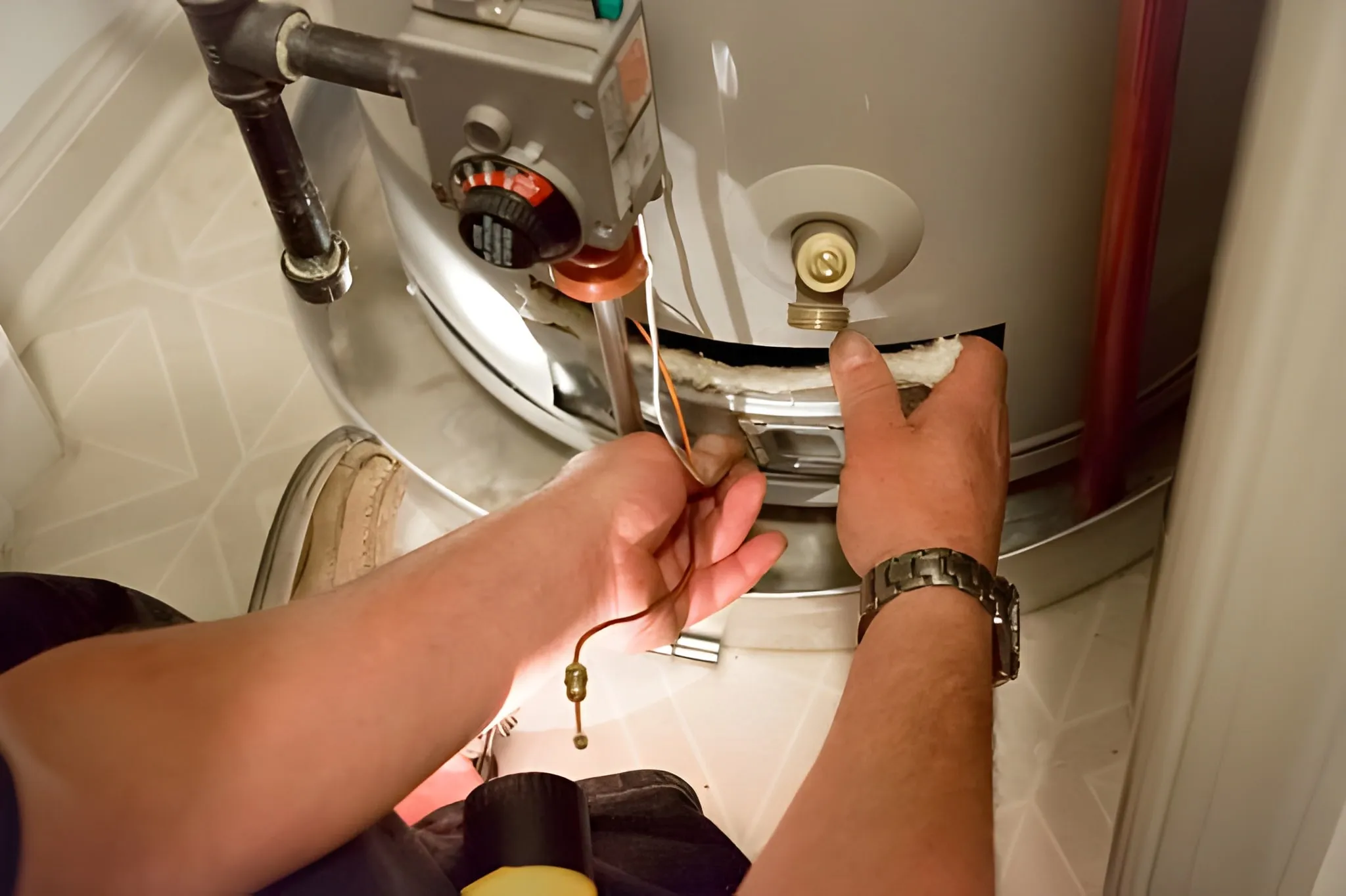
Boiler Services in Penn Hills, PA
A reliable boiler is essential for Penn Hills homes where cold winters and older hydronic systems are common. Our Boiler Services in Penn Hills, PA cover everything from new boiler installation and replacement to annual inspections, preventive maintenance, troubleshooting, safety and combustion checks, efficiency tuning, parts repair and retrofits, and clear information on different boiler types and warranty options.
Why timely boiler service matters in Penn Hills homes
Penn Hills experiences long heating seasons and occasional temperature extremes. That puts extra wear on boilers and circulator components, and many local homes use older cast iron or hydronic systems that need careful attention. Untreated problems lead to higher fuel bills, frequent breakdowns during peak cold, and increased safety risks from combustion or pressure faults. Regular professional service keeps systems reliable, efficient, and code compliant.
Common boiler issues we diagnose and repair
- No heat or uneven heating - Often caused by thermostat, zone valve, circulator pump, or air in the system.
- Frequent short cycling - Could indicate oversized unit, control failure, or poor combustion.
- Strange noises - Kettling, banging, or gurgling usually point to scale build up, air, or failing pumps.
- Pilot or ignition failures - Faulty igniters, gas valves, or flame sensors are common on older units.
- Leaks and pressure loss - From valves, fittings, or corrosion in the heat exchanger or boiler sections.
- Low efficiency and rising fuel bills - Soot, clogged burners, poor combustion, or aged boilers.
- Combustion or carbon monoxide concerns - Incomplete combustion from blocked vents, poor drafts, or bad burners.
Types of boiler services offered
- New boiler installation and replacement - Sizing, system design for hydronic layouts, venting and combustion considerations for gas, oil, or electric units.
- Annual inspections and preventative maintenance - Comprehensive checks before winter to avoid emergency failures.
- Troubleshooting and diagnostic service - Systematic electrical, hydraulic, and combustion diagnostics to identify root causes.
- Safety and combustion checks - Measurement and tuning of CO and combustion efficiency, venting inspection, and safety control verification.
- Efficiency tuning and optimization - Burner adjustments, control updates, and balancing to reduce fuel consumption.
- Parts repair and retrofits - Pumps, zone valves, thermostats, controls, gas valves, igniters, and condensate handling.
- System upgrades and retrofits - Installing modern modulating burners, condensing boilers, or smart controls to extend life and efficiency.
- Warranty inspection and documentation - Verification tasks that support manufacturer warranty requirements.
How we evaluate whether to repair or replace
When deciding between repair and replacement, we consider:
- Age of the boiler - Most boilers have a practical life of 15 to 20 years. Older units often cost more to maintain and run.
- Frequency and cost of repairs - Repeated breakdowns signal diminishing returns on repairs.
- Efficiency loss and fuel costs - Significant drops in efficiency justify replacement for long term savings.
- Safety and reliability - Cracked heat exchangers, chronic leaks, or combustions issues often require replacement.
- Upgrading opportunities - Switching to a condensing boiler or combi unit can lower operating costs and free up space.
We perform a transparent assessment and explain the expected lifecycle, efficiency gains, and code or venting modifications that might be needed with replacement.
Typical diagnostic and service process
- Initial inspection - Visual, pressure, and thermostat checks; review of maintenance history.
- Combustion and safety testing - Combustion analyzer readings, CO testing, and flue draft inspection.
- Mechanical inspection - Circulator pumps, valves, expansion tank, relief valves, and piping.
- Electrical and control check - Thermostat and control sequencing, wiring, and relays.
- Performance tuning - Burner adjustment, system bleed/flush if needed, and control optimization.
- Repair or retrofit work - Replacement of worn parts, upgrades to controls, or installation of efficiency components.
- Commissioning and documentation - System startup, test cycles, and written service notes for warranties and records.
Parts repair and common retrofits
- Heat exchanger repair or replacement (when feasible) or full boiler swap for severe corrosion.
- Pump and circulator replacement for noisy or failing units.
- Zone control upgrades for better comfort and reduced pump runtime.
- Condensing conversion or replacement to capture more heat from flue gases and reduce fuel bills.
- Flue and vent upgrades to meet current safety and code requirements.
- Controls and thermostat retrofits including outdoor reset and modulating controls for better efficiency.
Boiler types explained
- Gas-fired standard boilers - Common in Penn Hills; reliable and cost-effective when properly maintained.
- Oil boilers - Found in homes not on natural gas; require more frequent maintenance and burner service.
- Condensing boilers - Higher efficiency by extracting latent heat from exhaust; best option where long-term savings matter.
- Combi boilers - Provide domestic hot water and space heating in one compact unit; ideal for space-constrained homes.
- Steam vs hot water (hydronic) - Most residential systems are hot water; steam systems need specific expertise and controls.
Warranty considerations and documentation
Understanding warranty coverage is key when planning service or replacement. Manufacturer warranties vary by component and often require documented annual maintenance. When performing installation or major repairs, we follow manufacturer recommended procedures and document inspections to support warranty claims and future resale value.
Preventive maintenance advice for Penn Hills homeowners
- Schedule an annual inspection before the heating season.
- Bleed radiators and check zone controls to maintain even temperatures.
- Watch for slow leaks, soot buildup, unusual odors, or changes in appliance performance.
- Keep the boiler room ventilated and free of stored items that can obstruct combustion air or venting.
- Consider efficiency retrofits if your unit is over 10 years old or fuel bills have risen.
Q: How often should I have my boiler inspected?
A: Annual inspections before the heating season are recommended for safety and to maintain efficiency and warranty coverage.
Q: When is replacement a better choice than repair?
A: Consider replacement when the boiler is more than 15 years old, repairs are frequent or costly, efficiency has dropped significantly, or safety-related defects like cracked heat exchangers are present.
Q: Can I upgrade an older boiler to a condensing unit?
A: Many systems can be upgraded, but condensing boilers often require changes to venting, condensate handling, and sometimes piping. A professional assessment will determine feasibility and benefits.
Q: What signs indicate a combustion or carbon monoxide problem?
A: Yellow or lazy flames, soot buildup, pilot outages, unexplained illnesses, or CO detector alerts suggest an immediate combustion inspection is necessary.
Q: Do warranties require documented maintenance?
A: Yes, most manufacturer warranties require regular documented maintenance. Keep service records and inspection notes to preserve warranty coverage.
Proper, local-focused boiler service protects comfort and safety in Penn Hills homes while delivering predictable operating costs and longer equipment life. Regular inspections, timely repairs, and informed decisions about retrofits or replacements ensure your heating system meets seasonal demands without surprise failures.


.svg)
.webp)
.svg)
