.svg)

.webp)
Heating reliability is essential in Penn Hills, PA, where cold winters and frequent freeze thaw cycles put heavy demand on home heating systems. Whether you have an aging boiler in a century home, a natural gas furnace in a newer subdivision, or a hybrid setup, professional heating services keep your home safe, comfortable, and energy efficient.
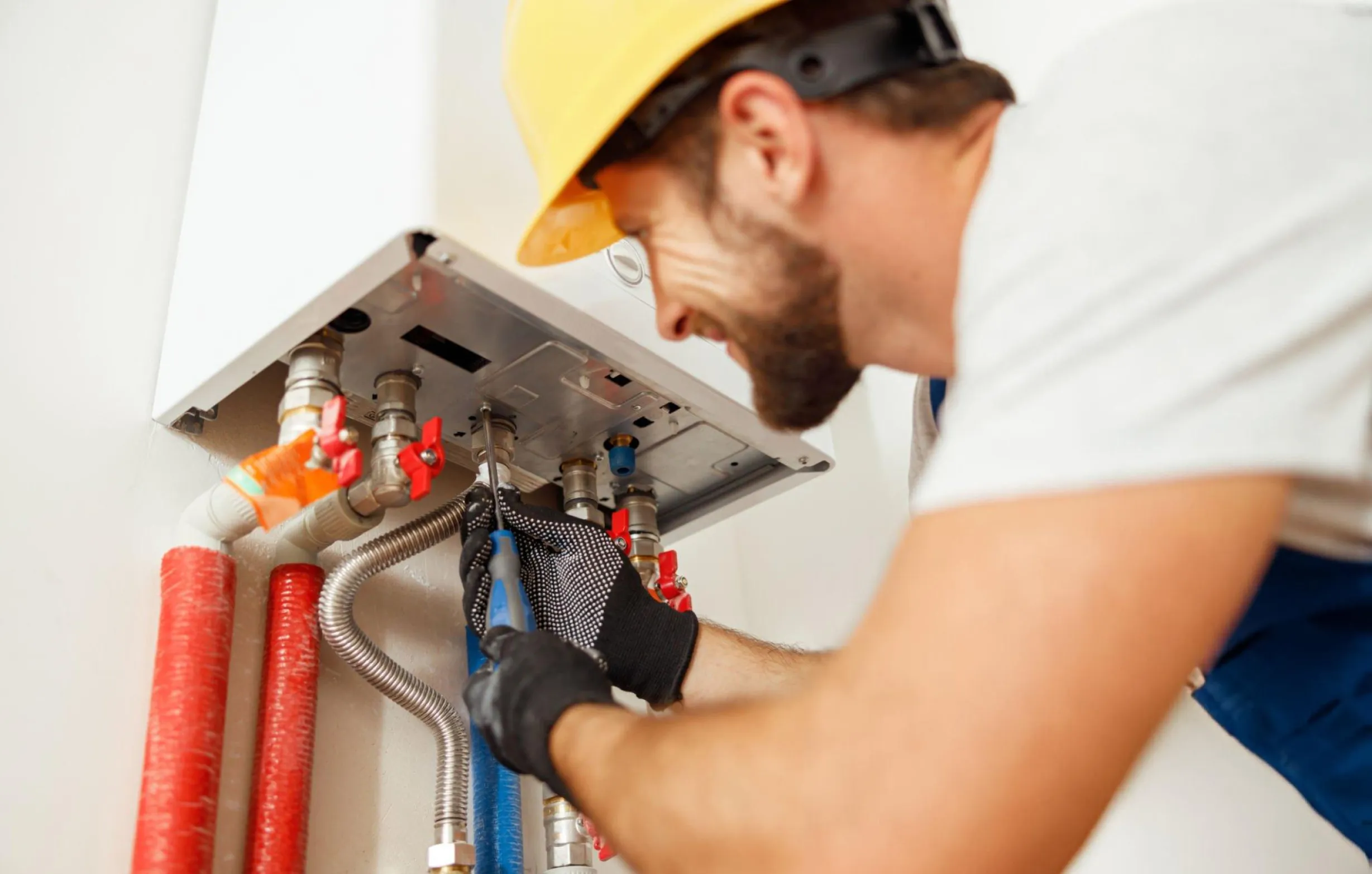
Heating Services in Penn Hills, PA
Heating reliability is essential in Penn Hills, PA, where cold winters and frequent freeze thaw cycles put heavy demand on home heating systems. Whether you have an aging boiler in a century home, a natural gas furnace in a newer subdivision, or a hybrid setup, professional heating services keep your home safe, comfortable, and energy efficient.
Common heating issues in Penn Hills homes
- Uneven heating or cold rooms, often caused by zoning problems, blocked vents, or imbalanced ductwork.
- Short cycling furnaces that turn on and off frequently, caused by incorrect sizing, clogged filters, or safety switch faults.
- Poor boiler performance, including low pressure, leaking connections, and noisy piping in older cast iron systems common in the area.
- Pilot or ignition failures in gas systems due to venting, combustion air issues, or failing control modules.
- High energy bills from inefficient equipment, poor insulation, or outdated thermostats.
- Safety concerns such as carbon monoxide leaks, cracked heat exchangers, or flue blockages, made more likely by older chimneys and vents.
- Emergency failures during cold snaps: frozen condensate lines on high-efficiency units, electrical control failures, or fuel delivery interruptions for oil systems.
Heating services offered
- Furnace repair and diagnostics: full inspection of burners, heat exchanger, blower motor, control board, filters, and safety switches to identify failures and restore safe operation.
- Boiler repair and maintenance: flushing, pressure checks, valve and circulator service, and addressing leaks or steam/condensate issues in both hot water and steam systems.
- Full system installation and replacement: evaluation of load requirements, equipment sizing, venting options, and fuel type selection to recommend right-sized high-efficiency furnaces or condensing boilers.
- Seasonal tune ups: pre-winter inspections, cleaning burners and heat exchangers, checking controls, lubricating moving parts, and verifying combustion efficiency.
- Safety inspections: carbon monoxide testing, flue and chimney inspection, combustion air verification, and heat exchanger checks to protect occupants.
- Thermostat and control upgrades: smart thermostat installation, zoning controls, and integration with home automation for better comfort and lower energy use.
- Energy-efficiency recommendations: equipment upgrades, duct sealing, insulation advice, and controls that deliver measurable efficiency improvements in Penn Hills climate.
- Emergency heating repairs: rapid diagnostics and temporary solutions to restore heat during night or weekend failures.
- Maintenance plans: scheduled tune ups, priority service options, filter reminders, and discounts on repairs to extend equipment life and reduce unexpected breakdowns.
How diagnostics and repair typically proceed
- Initial assessment: review history, recent symptoms, and visually inspect equipment and vents. For Penn Hills homes, techs also check chimneys and outdoor vents that may be affected by local weather.
- Safety checks: test for carbon monoxide, inspect heat exchanger condition, and confirm proper venting before running further tests.
- Operational testing: run system through a full cycle to observe ignition, burner behavior, thermostat communication, and airflow.
- Component testing: measure pressures, temperatures, and electrical signals; check gas pressure for fuel systems; test expansion tanks or circulators on boilers.
- Estimate and repair plan: explain needed repairs or replacement options, including energy savings expectations for high-efficiency equipment.
- Verification: after repairs or installation, verify proper operation, balance temperature distribution, and provide maintenance recommendations.
Solutions explained in plain terms
- Furnace repairs: replacing filters and ignitors can fix many mid-season failures; a cracked heat exchanger requires immediate attention because it can allow combustion gases into the home.
- Boiler repairs: bleeding air from radiators and re-pressurizing closed-loop systems often restores heat; replacing failing circulator pumps or zone valves resolves cold radiators.
- System replacement: upgrading to a high-efficiency condensing boiler or a modulating furnace reduces fuel use and often improves comfort, especially in homes with uneven heating.
- Thermostat upgrades: smart thermostats learn schedules, enable remote control, and can reduce wasted heating by optimizing setpoints for Penn Hills winter patterns.
- Duct and distribution fixes: sealing and insulating ductwork reduces heat loss in basements and attics, making the system feel more responsive.
Why timely heating service matters in Penn Hills
- Safety: early detection of combustion or venting problems prevents carbon monoxide exposure and fire hazards.
- Reliability during cold weather: preventive maintenance reduces the chance of emergency failures on the coldest days.
- Lower operating costs: correct sizing, proper combustion settings, and improved controls reduce fuel consumption in a region where heating is a major annual expense.
- Extended equipment life: routine tune ups and cleaning prevent wear and prolong the useful life of furnaces and boilers, especially important for older Penn Hills homes.
Maintenance plans and what to expect
A typical plan includes two annual inspections (heating season and transitional check), filter and ignition checks, lubricating motors, combustion efficiency testing, safety device verification, and priority scheduling for repairs. Maintenance plans are structured to prevent breakdowns, catch small issues before they become major failures, and help homeowners budget for long term system needs.
Practical tips for Penn Hills homeowners
- Replace or clean filters every 1 to 3 months during heavy use to maintain airflow and efficiency.
- Keep vents and radiators clear of furniture and curtains to improve distribution.
- Insulate exposed pipes and boilers in unheated spaces to reduce heat loss and prevent freezing.
- Test carbon monoxide detectors monthly and replace batteries annually.
- Consider a programmable or smart thermostat to reduce heating during predictable absences.
FAQs
Q: How often should I have my furnace or boiler serviced?
A: Have your heating system inspected and tuned once per year before the heating season; boilers in older Penn Hills homes may benefit from an extra mid-season check.
Q: What are the signs my heating system needs replacement rather than repair?
A: Signs include frequent breakdowns, rising fuel bills, uneven heating, loud noises, or systems older than 15 to 20 years; persistent safety issues like a cracked heat exchanger also indicate replacement.
Q: How quickly can emergency heating repairs be made during a cold spell?
A: Response time varies by demand and availability, but emergency technicians prioritize safety issues and make temporary fixes to restore heat, followed by permanent repairs once parts are available.
Q: Are smart thermostats worth it in a Penn Hills climate?
A: Yes. Smart thermostats optimize schedules around typical cold periods, reduce wasted heat, and adapt to occupancy patterns, producing energy savings in a climate with long heating seasons.
Q: Can I improve heating efficiency without replacing the entire system?
A: Yes. Simple steps like sealing ducts, adding insulation, upgrading controls, and doing annual tune ups can improve comfort and reduce fuel use without full system replacement.


.svg)
.webp)
.svg)
