.svg)

.webp)
When something in your home or business goes wrong with the electrical system it creates immediate safety and operational concerns. Electrical Services in Penn Hills, PA cover the full range of residential and commercial needs from wiring and panel upgrades to surge protection, troubleshooting and emergency repairs delivered with code‑compliant work and permit assistance. Whether you live in an older Penn Hills home with aging wiring or manage a storefront that needs reliable lighting and circuits, understanding common problems, how professionals diagnose them, and what compliant repairs involve helps you make confident decisions that protect people and property.
Electrical Services in Penn Hills, PA
When something in your home or business goes wrong with the electrical system it creates immediate safety and operational concerns. Electrical Services in Penn Hills, PA cover the full range of residential and commercial needs from wiring and panel upgrades to surge protection, troubleshooting and emergency repairs delivered with code‑compliant work and permit assistance. Whether you live in an older Penn Hills home with aging wiring or manage a storefront that needs reliable lighting and circuits, understanding common problems, how professionals diagnose them, and what compliant repairs involve helps you make confident decisions that protect people and property.
Why local electrical service matters in Penn Hills, PA
Penn Hills experiences cold winters, heavy rain, and occasional windstorms that can stress electrical systems and outdoor equipment. Older housing stock in the area often includes outdated wiring methods (knob-and-tube or early aluminum wiring) and undersized panels that do not support today’s appliances. Local electricians understand Allegheny County and Penn Hills permitting, common regional wiring challenges, and how seasonal conditions accelerate wear. That local expertise ensures repairs are safe, long lasting, and inspected according to local code.
Common electrical issues in Penn Hills homes and businesses
- Tripping breakers and overloaded panels caused by modern loads on older service panels
- Flickering or dimming lights when large appliances start up or during storms
- Outlets that are hot to the touch, loose, or produce sparks when plugging devices in
- Frequent nuisance GFCI or AFCI trips indicating ground faults or arcing conditions
- Visible damage from rodents, moisture intrusion in basements/attics, or storm impacts on exterior wiring
- Lack of surge protection leaving electronics vulnerable during lightning or utility switching
- Outdated or unsafe wiring methods requiring replacement for safety and insurance compliance
Residential and commercial services offered
- Whole-house and branch-circuit wiring upgrades to meet modern electrical demands
- Service panel upgrades and main breaker replacements to support increased load and safety devices
- Outlet, switch, and lighting installation, including recessed, LED retrofits, and exterior/security lighting
- Safety inspections and code‑compliant corrective work to meet National Electrical Code and local amendments
- Surge protection installation to safeguard appliances, HVAC systems, and electronics
- Troubleshooting and diagnostics for intermittent faults, electrical noise, and nuisance trips
- Permit and inspection assistance, including preparing documentation and coordinating with local inspectors
- Licensed electrician availability for emergency jobs such as power loss, exposed live conductors, and fire‑risk conditions
How diagnostics and repair work typically proceed
- Initial assessment: A licensed electrician conducts a visual safety check and asks targeted questions about symptoms, frequency, and any recent changes or storm damage.
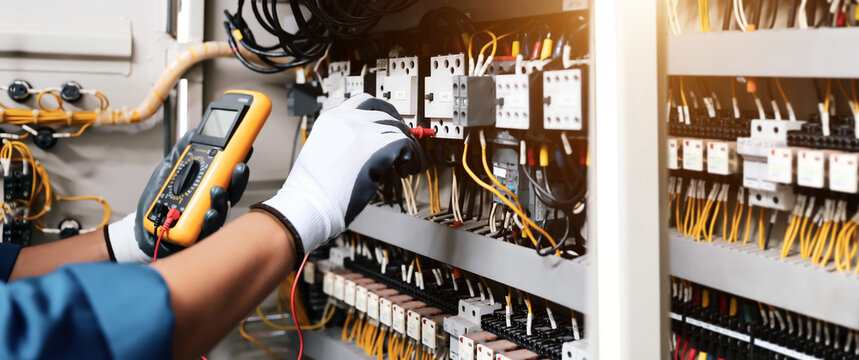
- Noninvasive testing: Using tools such as multimeters, circuit tracers, and thermal cameras, the electrician identifies hot spots, overloaded circuits, and hidden failures without unnecessary demolition.
- Scope and code review: The diagnosis is paired with a scope of corrective work that complies with NEC requirements and Penn Hills/Allegheny County permitting rules when necessary.
- Permit and inspection coordination: For panel upgrades, service changes, or substantial alterations, the electrician prepares permit paperwork and schedules required inspections.
- Repair and verification: Work is completed with materials and methods rated for the application, followed by thorough testing of all affected circuits and devices to confirm safe operation.
- Documentation: Clear records of repairs, replaced components, and inspection results support insurance, resale, and ongoing maintenance.
Safety-focused repair and upgrade explanations
- Panel upgrades: Replacing an undersized or failing panel increases capacity and reduces fire risk. New panels also allow for modern safety devices like AFCI/GFCI protection and whole‑house surge suppressors.
- Wiring replacement: Switching out knob-and-tube or deteriorated aluminum wiring removes fire and shock hazards. New copper branch circuits with proper grounding improve reliability and safety.
- Outlet and lighting installs: Upgrading to tamper-resistant outlets, adding dedicated circuits for appliances, or converting lighting to LED reduces energy use and prevents nuisance trips.
- Surge protection: Point-of-use protectors and whole-house surge suppressors limit voltage spikes from utility switching or lightning, protecting sensitive electronics and prolonging appliance life.
- Troubleshooting intermittent faults: Electrical noise, poor neutral connections, or loose terminations can cause unpredictable behavior. Precise diagnostic testing locates issues that would otherwise be misdiagnosed.
Emergency availability and response priorities
Licensed electricians available for emergency jobs focus on stopping immediate hazards first: open live conductors, sparking outlets, signs of electrical arcing, and total loss of power affecting safety systems. Emergency response prioritizes occupant safety, securing damaged circuits, and stabilizing power. After immediate hazards are addressed, electricians provide a path to full repair or replacement that meets inspection and code requirements.
Benefits of timely, code‑compliant electrical work
- Reduced fire and shock risk by removing hazardous wiring and overloaded components
- Improved reliability and fewer outages for homes and businesses in storm-prone seasons
- Increased appliance and electronics lifespan with proper surge protection and dedicated circuits
- Easier insurance and resale transactions with documented, permitted upgrades
- Energy savings and improved lighting quality through modern fixtures and efficient LED retrofits
Maintenance tips to prolong system life
- Schedule a safety inspection every 3 to 5 years for homes; more frequently for older systems or commercial properties
- Replace frayed cords and avoid running multiple high-draw devices on extension cords or a single outlet
- Install and test GFCI protection in wet areas like kitchens, bathrooms, basements, and exterior outlets
- Keep vegetation trimmed away from exterior electrical equipment to reduce storm damage risk
- Use whole-house surge protection if you have expensive electronics, HVAC equipment, or a home office
Frequently Asked Questions
Q: How can I tell if my wiring needs upgrading?
A: Warning signs include frequent breaker trips, flickering lights, outlets that feel warm, flicker or spark, outdated two-prong ungrounded outlets, and fuse boxes or knob-and-tube wiring; a licensed electrician can perform an inspection and testing to confirm.
Q: Will panel upgrades require a permit in Penn Hills?
A: Major service changes, panel replacements, and certain wiring upgrades generally require permits and inspections; licensed electricians familiar with Penn Hills and Allegheny County procedures can prepare and file the necessary paperwork.
Q: What is the difference between surge protection at an outlet and whole‑house surge protection?
A: Point-of-use protectors protect individual devices, while whole-house surge suppressors are installed at the service panel to reduce incoming transient voltage for the entire electrical system, offering broader protection for hardwired appliances and multiple devices.
Q: When should I call an electrician for an emergency?
A: Emergencies include sparking or smoking outlets, burning smells from wiring, exposed live conductors, repeated breaker trips with signs of heat, or sudden total loss of power affecting safety systems; these conditions require immediate attention by a licensed electrician.
Q: Are licensed electricians required for electrical repairs?
A: For safety, code compliance, and insurance reasons, licensed electricians should perform significant electrical work, including panel changes, wiring replacement, and any work that requires a permit or will be inspected.


.svg)
.webp)
.svg)
